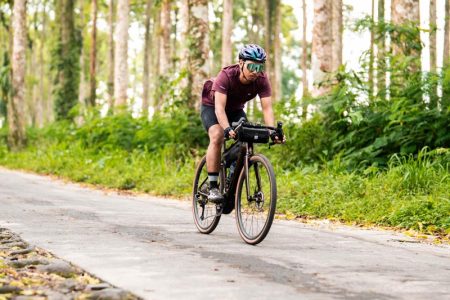





Choosing the right Gravel Bike pedals is essential because pedals influence comfort, control, and pedaling efficiency across mixed terrain. Gravel riding often combines pavement, dirt, loose gravel, and occasional walking sections, so the ideal pedal should match both your riding style and how you interact with the bike during changing conditions.
A pedal that feels right on smooth roads may not always feel practical once surfaces become rough or unpredictable.
Decide Between Clip-In vs. Flat Pedals
The first decision is whether you want a pedal that locks your foot in place or one that allows full freedom of movement.
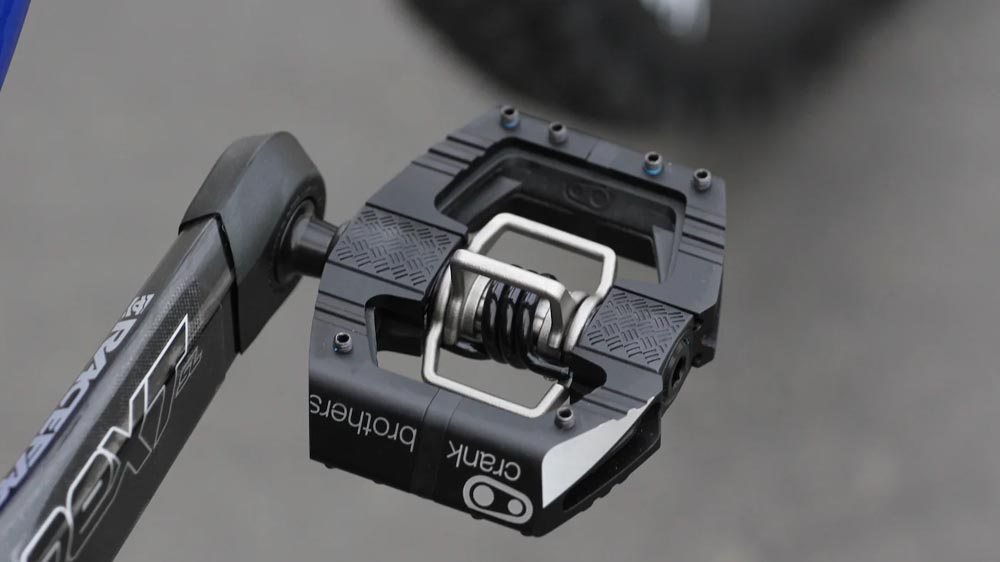
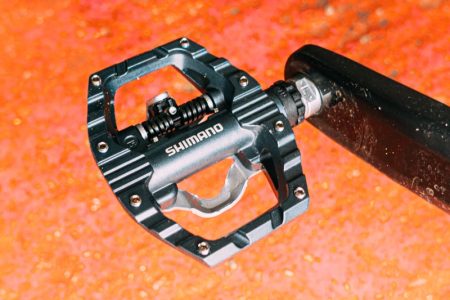
Clip-in pedals or clipless pedals use cleats attached to cycling shoes. The cleat engages with the pedal mechanism and keeps the foot securely positioned until the rider twists the heel outward to release. This system usually improves consistency during long rides because foot placement stays stable even when the surface becomes rough.
For most gravel bikes, riders commonly choose two-bolt off-road systems because the cleat sits recessed into the shoe sole. This makes walking easier during stops, café breaks, or short hike-a-bike sections, which is one reason off-road pedal systems are often preferred over road-specific designs.
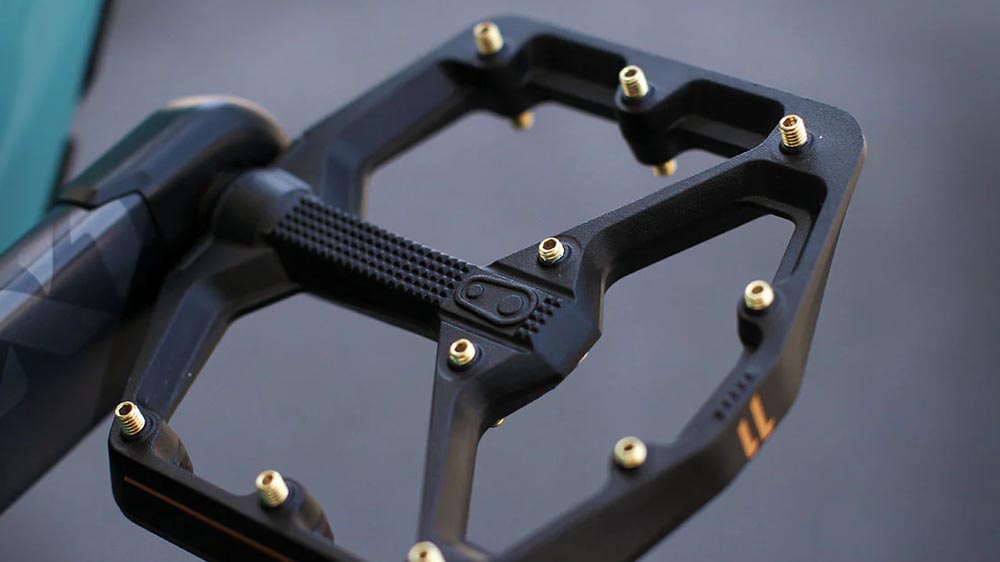
Flat pedals do not use cleats. Instead, the shoe rests directly on the pedal surface, where pins or textured contact points create grip. Because there is no locking system, riders can reposition or remove the foot instantly, which often feels reassuring on technical terrain or repeated stop-start riding.
Match Your Riding Style
Pedal choice becomes clearer when you think about how you usually ride a gravel bicycle.
- Long mixed-surface rides: Clip-in pedals are often preferred because they help maintain steady pedaling and consistent foot position over long distances.
- Adventure riding with frequent stops: Off-road clip-in pedals work well because they stay practical even when dirt or gravel enters the mechanism.
- Technical terrain or relaxed riding: Flat pedals allow quick foot movement and easier repositioning on unpredictable surfaces.
- Mixed pavement and gravel use: Many riders choose pedals that balance pedaling efficiency with everyday practicality.
Key Features to Look For
When comparing pedal options, several technical details matter more for gravel than for pure road riding.
- Double-Sided Entry: Double-sided pedals allow clipping in from either side, which makes engagement easier after stopping on uneven terrain. This becomes especially useful when restarting on gravel, where precise foot placement matters.
- Mud Clearance: Gravel pedals often use open mechanisms that help dirt and mud clear more easily. A pedal that continues working after muddy sections is far more practical than one that becomes difficult to engage.
- Adjustable Release Tension: Some clip-in pedals allow riders to change how easily the cleat releases. Lower tension often helps beginners feel more confident, while experienced riders may prefer a firmer hold for rough terrain.
Consider Pedal Platform Size
Platform size affects how stable the foot feels during pedaling.
A larger pedal body usually gives more support under the shoe, which can improve comfort on long rides by spreading pressure more evenly across the foot. This becomes noticeable during repeated rough surfaces where vibration and small impacts gradually build fatigue.
Smaller pedals are often lighter, but they may feel less supportive, especially for riders using softer-soled gravel shoes. For many gravel bikes, a medium-sized platform offers the best balance between support, weight, and control.
Cleats and Shoe Compatibility
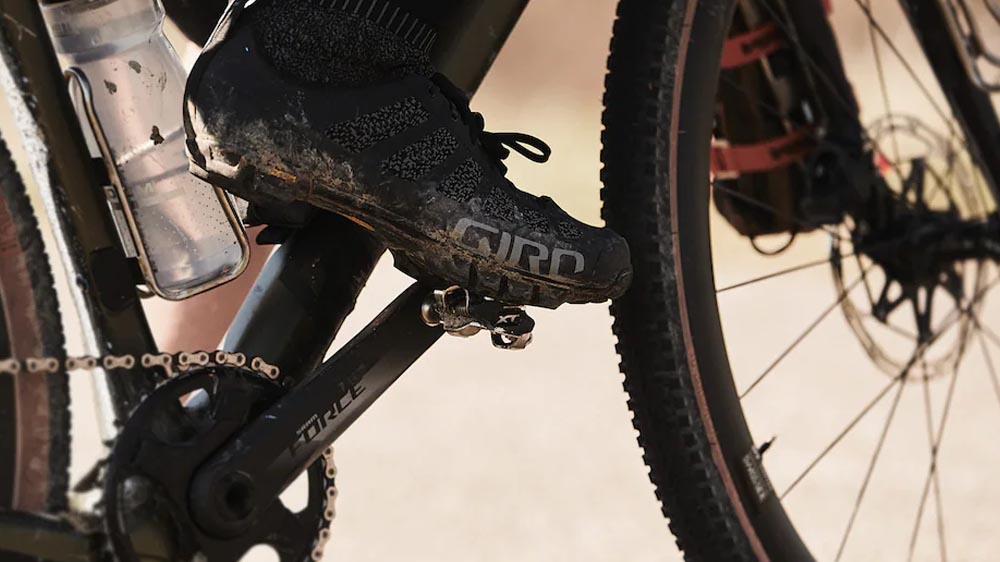
If you choose clip-in pedals, shoe compatibility becomes just as important as the pedal itself.
Most gravel riders use two-bolt cleat systems because the cleat sits recessed inside the shoe sole, making walking easier on gravel, dirt, or pavement during stops. This design also protects the cleat better than larger road cleats.
Cleat movement, often called float, also affects comfort. A small amount of float allows slight foot rotation while pedaling, which can reduce knee strain during longer rides. Choosing shoes and pedals that work naturally together usually matters more than choosing the lightest setup available.
Conclusion
The best gravel bike pedal is usually the one that supports your riding habits without adding unnecessary complexity. For many riders, practical off-road clip-in pedals offer the best balance of efficiency and versatility, while flat pedals remain a strong option for simplicity and control.
Because pedals are one of the main contact points on a gravel bike, even small differences in engagement feel, platform support, or shoe compatibility can noticeably change comfort over long distances.
For a broader comparison of pedal types and how they work, continue with the article “Gravel bike pedal guide.”