





Choosing the right Gravel Bike handlebar starts with understanding how you want your bike to feel on rough terrain. Gravel handlebars are typically wider than standard road bars, often 42-50 cm, and many include a flare to improve control on uneven surfaces.
Know the Main Types of Gravel Handlebars
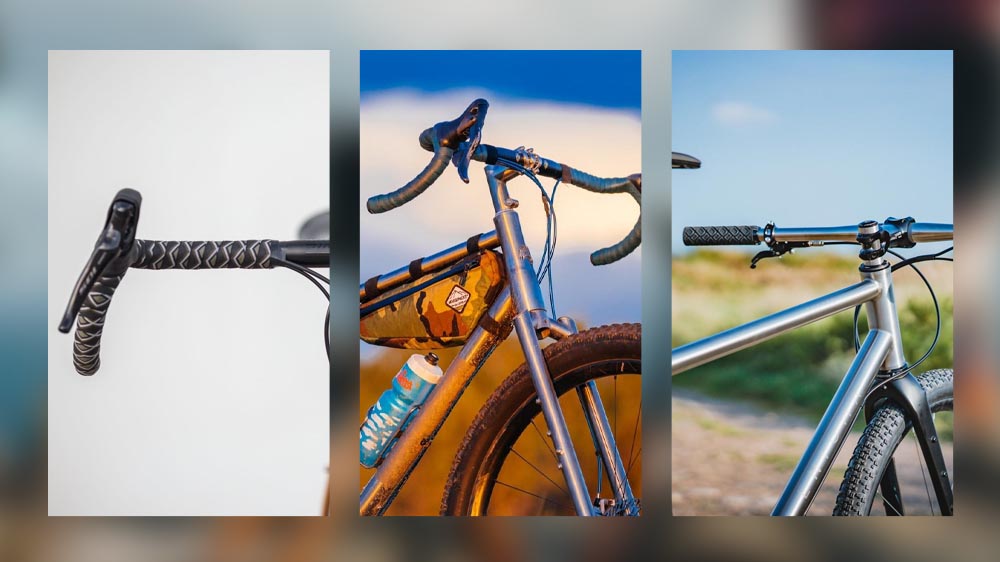
Before comparing measurements, it helps to understand how different handlebar designs serve different riding purposes.
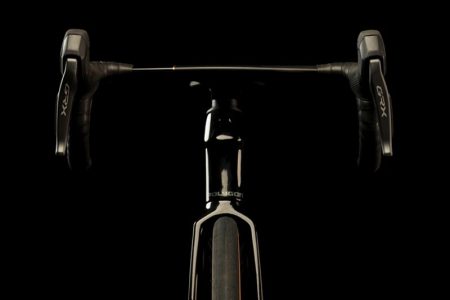
- Flared drop bars: This is the most common Gravel Bike handlebar type. The drops angle outward, making the lower hand position wider than the hood. That extra width improves leverage and helps keep the front wheel stable on loose gravel, especially during descents.
- Adventure bars: Adventure-focused handlebars usually combine a wider top section with moderate or strong flare. This gives riders more hand support and makes long hours on mixed terrain more comfortable, which is why they are often chosen for bikepacking.
- Flat bar gravel bikes (less common): Some gravel bikes use flat handlebars for a more upright position and direct steering feel. This setup often appeals to riders coming from mountain bikes, although it offers fewer hand positions than drop bars.
A fuller explanation is covered in “Gravel bike handlebars guide.”
Choose the Right Width and Flare
Width affects steering leverage, breathing space, and upper-body posture.
A wider handlebar generally improves control because it gives the rider more leverage over the front wheel. This becomes useful when riding rough gravel, uneven roads, or technical descents. However, bars that are too wide can feel inefficient on long paved sections and may place unnecessary strain on the shoulders.
Flare adds width only in the drops. A mild flare keeps the cockpit feeling close to a road bike, while a stronger flare creates extra control when riding in the lower position. Riders who spend more time off-road often prefer more flare because it increases stability without forcing the hoods to become excessively wide.
Consider the Right Shape and Comfort
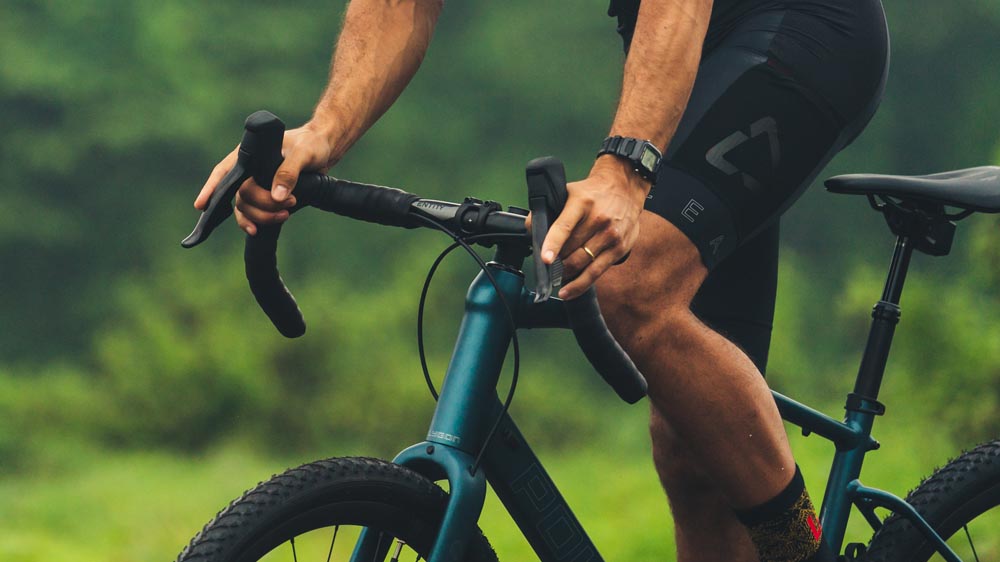
The top section of the handlebar matters more than many riders expect because it often becomes the default hand position during steady riding.
Some handlebars use flattened tops to spread pressure more evenly across the palms, while others stay round for easier accessory mounting. Ergonomic shaping can help reduce numbness in the hands, especially during long gravel rides where repeated vibration gradually builds fatigue.
Comfort also depends on how naturally the wrist sits when holding the hoods and drops. A handlebar that feels neutral in both positions usually works better over long distances than one chosen only for appearance.
Consider Reach and Drop
Reach and drop determine how far and how low a rider must move to access different hand positions.
A shorter reach keeps the brake hoods closer, which often suits endurance-oriented gravel riding because it reduces upper-body strain. A shallower drop also makes the lower position easier to use on rough terrain, where deep, aggressive drops may feel less practical.
Many modern gravel handlebars use compact dimensions because they allow riders to move comfortably between tops, hoods, and drops without dramatic posture changes.
Know Your Riding Style
The right Gravel Bike handlebar often depends on what your rides look like most of the time.
If your routes are mostly fast gravel roads and pavement, moderate flare and medium width usually feel efficient without sacrificing too much speed. If you regularly ride rough surfaces, loaded bikepacking routes, or technical descents, a wider bar with more flare often improves confidence.
Riders who value long-distance comfort usually benefit more from ergonomic shapes than from extreme width alone.
Quick Checklist Before Buying
Before choosing a new handlebar, ask yourself a few simple questions.
- What terrain will you mostly ride?
Rougher gravel and uneven surfaces usually benefit from more width and flare, while smoother mixed routes may feel better with a more moderate setup.
- Do you care more about comfort or speed?
Riders focused on long-distance comfort often prefer compact shapes and ergonomic tops, while speed-oriented riders may choose a slightly narrower setup.
- What width feels natural for your shoulders?
The hood position should feel relaxed rather than forcing your arms too wide or too narrow, since this is where most riding time happens.
- How important are multiple hand positions?
On longer rides, the ability to shift hand position regularly can reduce fatigue and improve comfort over changing terrain.
A handlebar strongly shapes how a gravel bicycle responds on mixed terrain because it influences steering feel, upper-body comfort, and confidence on rough surfaces.
The best choice is usually the one that feels natural in your hands, supports your riding posture, and matches the type of terrain you ride most often. Small differences in width, flare, or shape may look minor on paper, but they can significantly change the overall ride experience.
Read also: Is a Gravel Bike Dropper Post Worth It?