




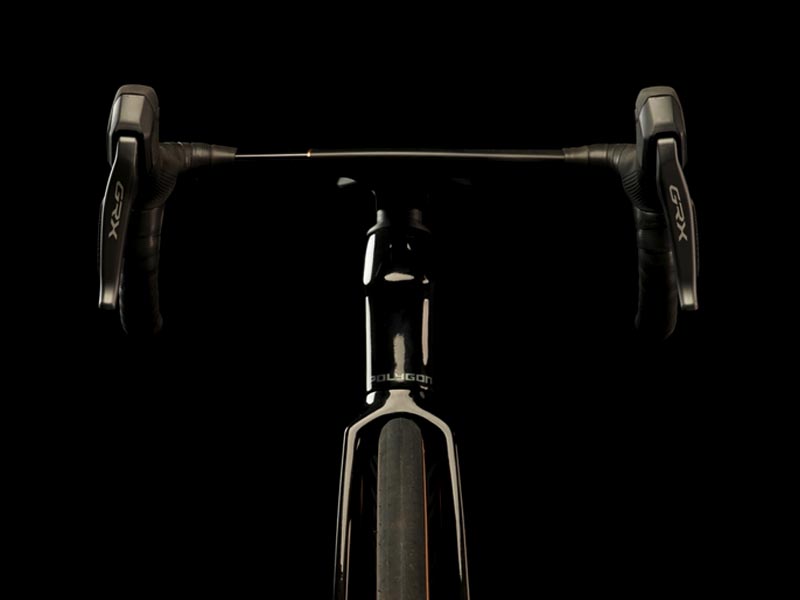
A Gravel Bike handlebar is designed to give riders more control and comfort on mixed terrain than a standard road handlebar. While it usually keeps the familiar drop-bar shape, the design often includes wider dimensions or a flared drop section to improve stability on gravel, dirt roads, and rough descents.
Because hand position affects both comfort and steering, handlebar choice plays a big role in how a gravel bike feels on long rides.
What Are Gravel Bike Handlebar Types?
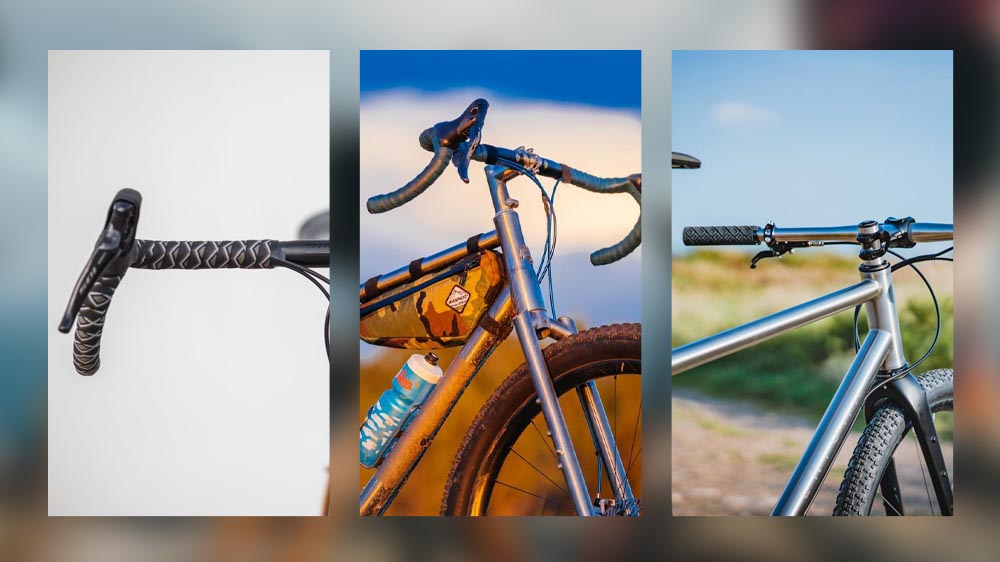 Not all gravel bicycle handlebars are shaped the same. While most still follow the drop-bar concept, small differences in width, flare, and hand position can significantly change how a bike feels on rough surfaces.
Each type is designed around a slightly different riding purpose, from everyday mixed-terrain riding to long-distance adventure setups.
- Flared drop bars: This is the most common Gravel Bike handlebar style. The lower drops angle outward, creating a wider hand position than a standard road bar. That extra width improves stability when descending on loose gravel and gives riders better control when the surface becomes unpredictable.
- Adventure bars: Adventure-oriented handlebars usually combine flare with a wider top section for more comfort over long distances. They are often chosen for bikepacking or extended mixed-surface rides because the extra hand positions help reduce fatigue during long hours in the saddle.
- Flat bar gravel bikes: Although less common, some gravel bikes use flat handlebars. This setup gives direct steering input and a more upright riding position, which can feel familiar to riders coming from mountain bikes. The trade-off is fewer hand positions compared with drop bars.
Why Gravel Bike Handlebar Materials Matter?
Beyond shape, material also changes how a handlebar performs on gravel. Weight, vibration absorption, and durability all influence ride feel, especially when the terrain becomes rough or the distance gets longer.
Aluminum
Aluminum remains the most widely used material because it offers a strong balance between durability, weight, and affordability. It is dependable for everyday gravel riding and common on many complete bike builds.
Carbon
Carbon handlebars are lighter and better at damping vibration from rough surfaces. On longer rides, this can improve comfort by reducing hand and upper-body fatigue.
Steel
Steel is heavier, but it remains valued for toughness and long-term durability. It is more often found on utility-focused or adventure-oriented gravel setups where strength matters more than saving weight.
Why Does Gravel Bike Handlebar Choice Matter?
Handlebar choice changes how a gravel bike responds on different terrain because it directly affects steering leverage, body position, and long-ride comfort.
A wider or flared handlebar usually gives more control when the surface becomes loose or uneven. The extra width helps stabilize the front end, especially when descending or riding through rough gravel, where precise steering matters more than pure speed.
Handlebar shape also influences rider comfort. A bar with a shorter reach or a more supportive top section can reduce strain on the wrists, shoulders, and lower back during long rides. This becomes important because gravel riding often involves staying on the bike for extended periods over constantly changing surfaces.
Material adds another layer to that feeling. Aluminum tends to feel firm and direct, while carbon can soften vibration from repeated bumps. In practice, the right setup helps a Gravel Bike handlebar match the rider’s terrain, distance, and riding style rather than simply following trends.
How to Choose Gravel Bike Handlebars?
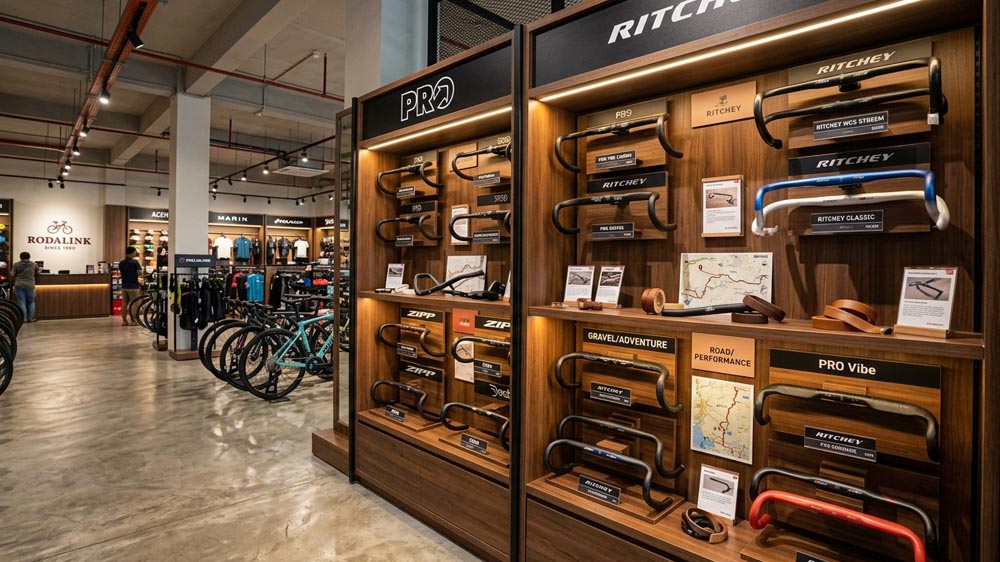 Choosing the right Gravel Bike handlebar starts with understanding where and how you ride most often.
If your routes include fast gravel roads and mixed pavement, a moderate flare usually gives enough control without making the riding position feel too wide. Riders who spend more time on technical terrain often prefer wider bars because they offer extra leverage when steering through loose sections.
Reach and drop also matter. A compact shape with shorter reach can make position changes easier and reduce fatigue during long rides, while deeper drops may suit riders who want a more aggressive posture.
Material choice usually follows riding priorities. Aluminum remains practical for durability and value, while carbon becomes attractive when comfort over long distances matters more.
For a more detailed fitting guide, the next step is to compare width, flare angle, and hand position carefully in the article “How to choose gravel bike handlebars?”
Read also: Is a Gravel Bike Dropper Post Worth It?