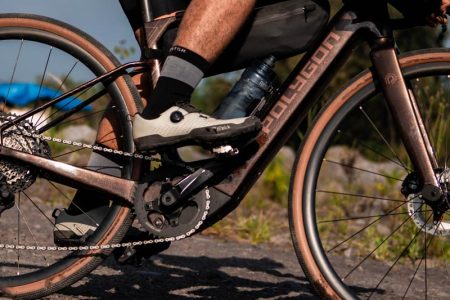






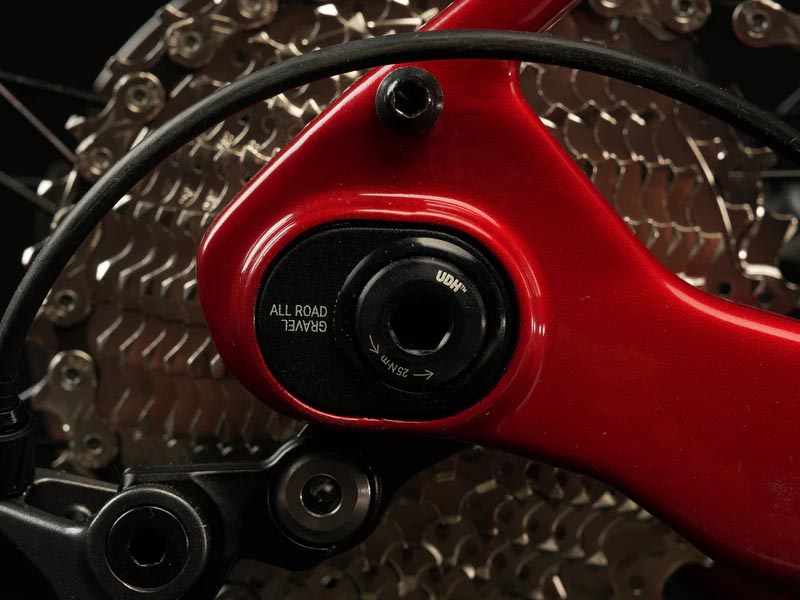
Flip-chip technology is a powerful adjustment system built into a bicycle frame that allows riders to change geometry or ride characteristics without replacing parts.
By rotating a small chip or insert, you can fine-tune how your bike handles, making one bike adapt to different terrains, riding styles, and preferences.
How Does Flip-Chip Technology Work?
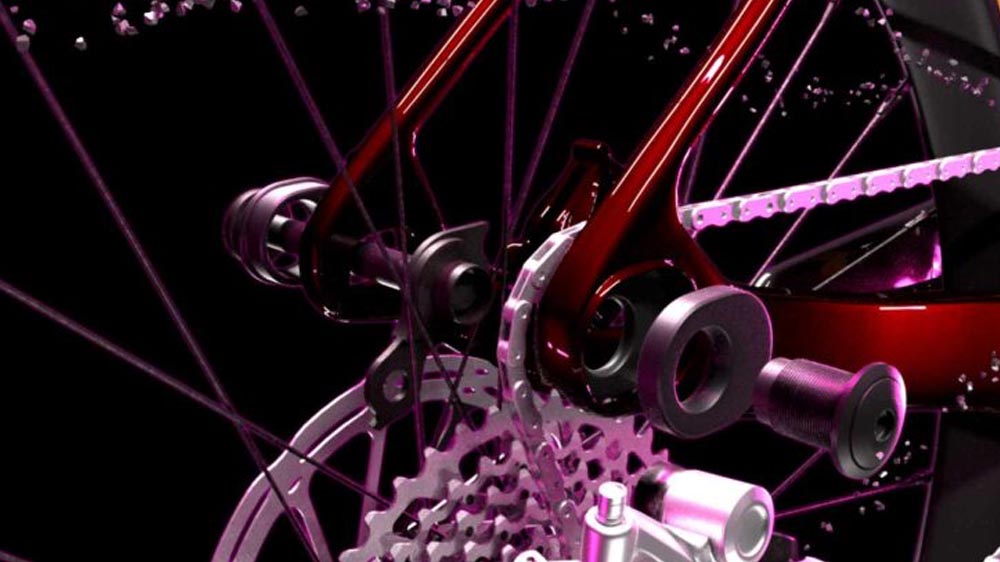 At its core, a flip chip is a reversible insert, usually located at key pivot points such as the rear dropout, shock mount, or linkage area of a bike frame. By “flipping” the chip into a different orientation, you subtly change the frame’s geometry.
Depending on the bike, a flip chip can adjust:
- Head tube angle
- Seat tube angle
- Bottom bracket height
- Wheelbase or chainstay length
For example, on a gravel bike, flipping the chip might lower the bottom bracket and slacken the head angle for better stability on rough terrain. On a mountain bike, it can shift the geometry from a playful, agile setup to a more aggressive, downhill-focused stance.
The beauty? No new components, no complex tools, just a simple adjustment that unlocks versatility.
How Does It Change the Overall Riding Experience?
 Flip-chip technology directly impacts how a bike feels on the trail or road. Geometry changes, even by a few millimeters or degrees, can significantly alter handling.
- Stability vs. Agility
A slacker head angle and longer wheelbase improve stability at high speeds and on steep descents, ideal for downhill mountain biking or aggressive gravel riding. A steeper setup, on the other hand, makes the bike quicker and more responsive, perfect for tight trails or urban riding. - Comfort vs. Performance
Adjusting the bottom bracket height affects pedal clearance and the center of gravity. Lower equals more planted and confident; higher means better clearance for technical terrain. - One Bike, Multiple Uses
This is where flip chips shine. A single bike can be tuned for different races, routes, or riding moods, especially valuable for riders who don’t want multiple bikes for different conditions.
Flip-Chip Pros & Cons
Pros
- Versatility: One bike adapts to multiple riding styles.
- Cost-effective: Geometry tuning without buying a new frame or bike.
- Rider-centric customization: Dial in what feels best for you.
- Future-proof design: Keeps your bike relevant as riding trends evolve.
Cons
- Not all riders will use it: Casual riders may never flip it.
- Limited adjustment range: It fine-tunes, not transforms, a bike.
- Requires setup knowledge: Incorrect setup can reduce performance.
Overall, the benefits strongly outweigh the drawbacks—especially for riders who enjoy experimenting with bike setup.
Should You Get a Bike with a Flip-Chip?
If you value flexibility, the answer is yes.
Flip-chip technology is ideal for:
- Gravel bike riders who switch between fast hardpack and rough adventure routes.
- Mountain bike riders who want one bike that can handle bike parks and technical trails.
- Performance-focused cyclists who understand how geometry affects efficiency and control.
For riders on diverse terrains, whether mixed-gravel routes, a flip-chip bike offers real, practical advantages.
Polygon Bikes Models with Flip-Chip Technology
We integrate flip-chip design where it truly adds value, enhancing performance, not complexity.
Polygon Tambora G5 – Gravel Bike
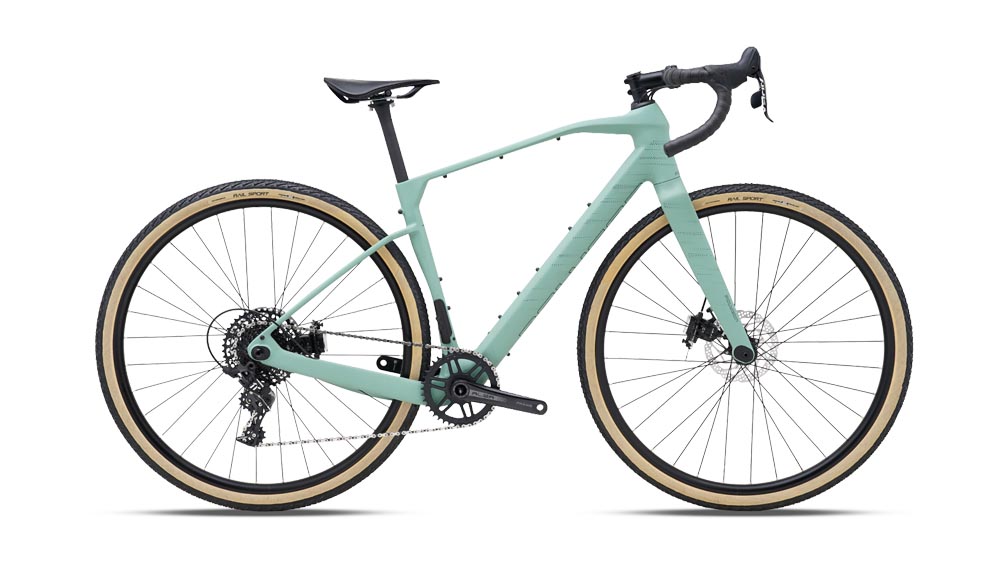 The Tambora G5 uses flip-chip technology to adapt to different gravel riding styles. Switch between a more stable, adventure-ready setup and a quicker, race-oriented geometry. It’s ideal for riders who want one gravel bike that can handle both long-distance exploration and fast weekend rides.
Polygon Tambora G7 – Gravel Bike
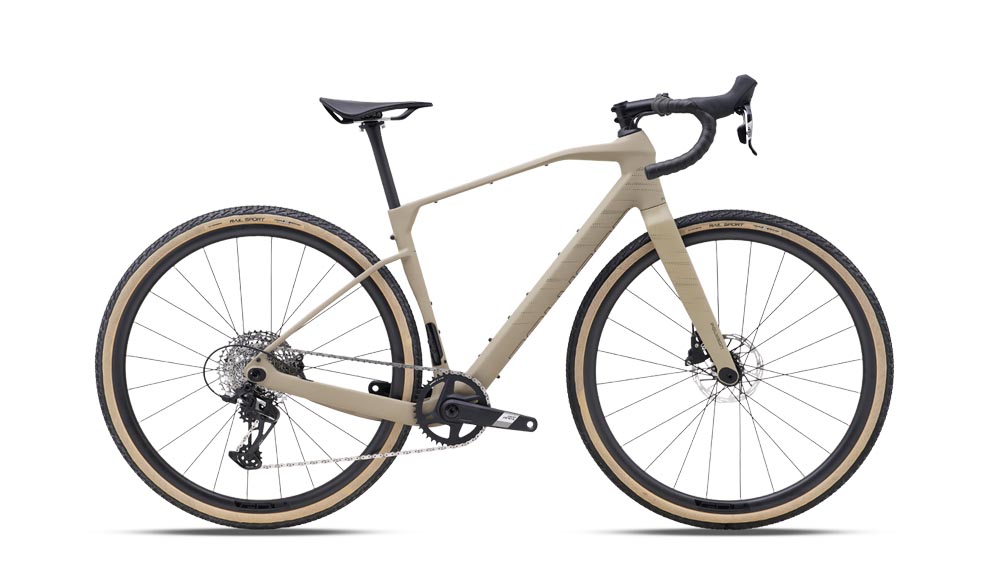 Built for riders who demand more performance, the Tambora G7’s flip chip allows fine-tuning for speed, comfort, and terrain control. Whether you’re riding loaded bikepacking routes or chasing KOMs on gravel, this bike adapts to your goals.
Polygon Collosus DH – Downhill Mountain Bike
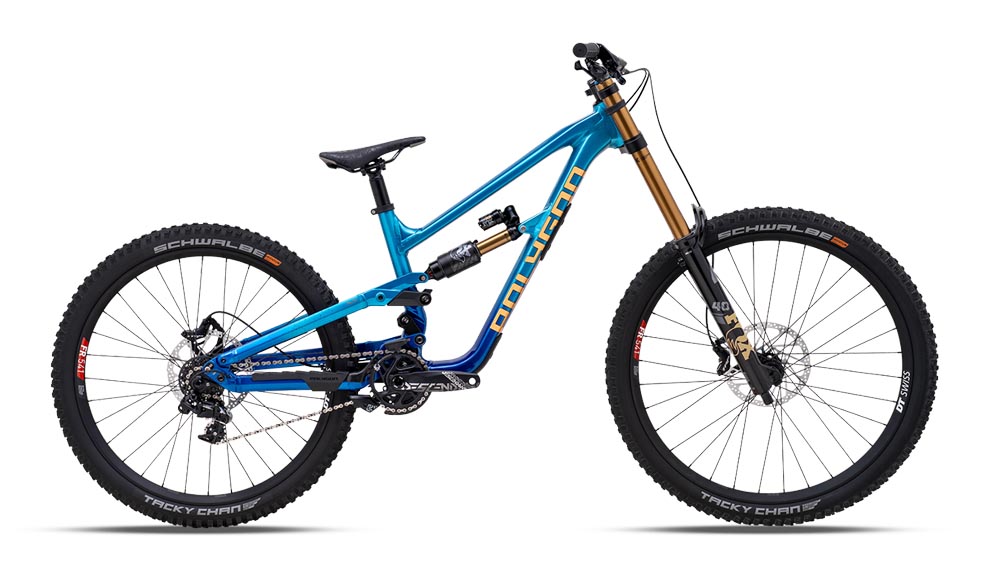 On the extreme end, the Collosus DH uses flip-chip adjustments to optimize geometry for different downhill tracks. Riders can choose between a more stable, race-focused setup or a slightly more agile configuration, crucial when every second and every corner matters.
Final Thoughts
Flip-chip technology reflects a modern approach to bicycle design: adaptable, rider-focused, and performance-driven. Instead of forcing riders to fit the bike, the bike adapts to the rider.
If you’re looking for a gravel bike or mountain bike that evolves with your riding style and terrain, a flip-chip-equipped bike is a smart, future-ready choice. Explore your options, experiment with setup, and discover how small adjustments can unlock a whole new riding experience.