



To maximize E-bike climbing, prioritize a mid-drive motor with high torque (>80Nm), a wide-range gear cassette, and a high-capacity battery for sustained power. These elements work together to deliver consistent assistance on steep gradients, especially when riding longer or more technical climbs where efficiency and control matter just as much as raw power.
What Should You Prioritize in an E-Bike for Climbing?
When choosing an electric bike for climbing, torque matters more than peak wattage. Torque determines how strongly the motor can push you uphill, especially at low speeds.
1. Motor Torque (75–80Nm or Higher)
Torque is the key factor for climbing performance. For moderate hills, 50–65Nm can work, but for steeper or off-road climbs, 75–80Nm or more is ideal. Higher torque helps maintain momentum without excessive strain on the rider.
2. Mid-Drive Motor System
Mid-drive motors sit at the crank and use the bike’s drivetrain, making them far more efficient on climbs than hub motors. They also create a lower center of gravity, improving balance and traction, especially important on steep or technical terrain.
3. Wide Gear Range
A wide-range cassette (such as 10–51T) allows riders to maintain a comfortable cadence while climbing. This keeps both the rider and motor operating efficiently, reducing fatigue and improving control.
4. Torque Sensor
A torque sensor adjusts motor assistance based on how hard you pedal. This creates a smoother, more natural riding feel and helps deliver power precisely when needed, especially useful on uneven gradients.
5. Battery Capacity (500–600Wh Minimum)
Climbing consumes more energy than flat riding. A battery in the 500–600Wh range provides enough capacity for sustained climbs, while larger batteries offer more confidence on long or repeated ascents.
6. Reliable Braking System
Descending after a climb is just as important. A strong braking system ensures control and safety, particularly on steep or technical downhills where speed builds quickly.
How Do Electric Bikes Handle Hills?
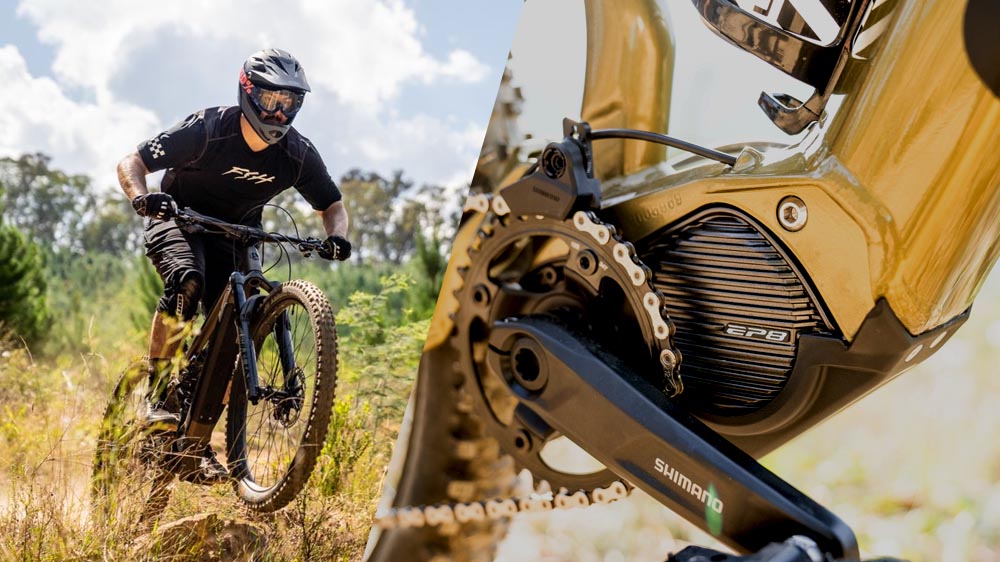
Electric bicycles handle hills by combining rider input with motor assistance, making climbs more manageable and efficient. Mid-drive systems are especially effective because they use the bike’s gears, allowing the motor to stay within its optimal power range.
On steep climbs, the motor provides additional torque while the rider maintains cadence. This reduces strain on the legs and helps maintain steady momentum. Riders are also encouraged to shift early and keep cadence consistent (around 70–90 RPM) to prevent overloading the motor.
Compared to traditional bikes, electric bikes make climbing more accessible, especially for longer rides or routes with repeated elevation gain.
Which E-Bikes Are Best for Climbing?
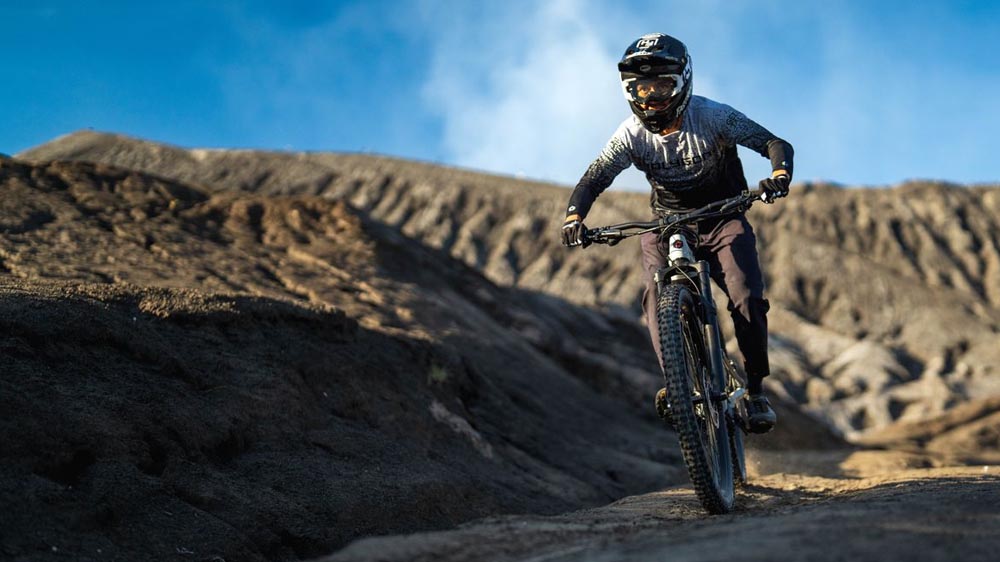
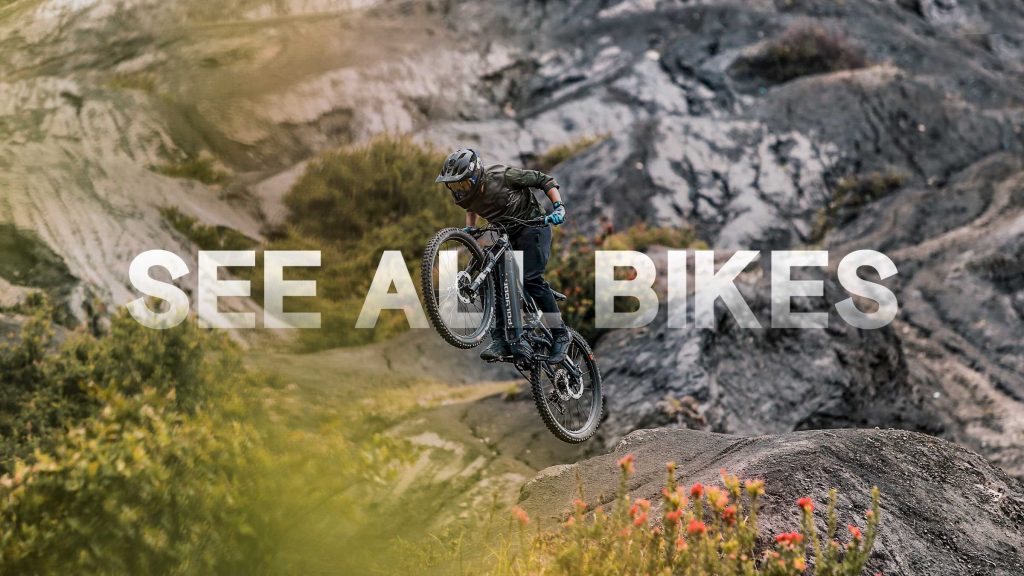
If climbing performance is a priority, an electric mountain bike (e-MTB) is usually the best choice. These bikes are specifically designed for steep terrain, combining powerful motors, wide gearing, and stable geometry.
Why E-MTBs Excel on Climbs?
- High-torque mid-drive motors
- Wide-range drivetrains
- Geometry optimized for traction and control
- Suspension systems that improve grip on uneven terrain
For riders looking at Polygon electric bikes, several models are well-suited for climbing:
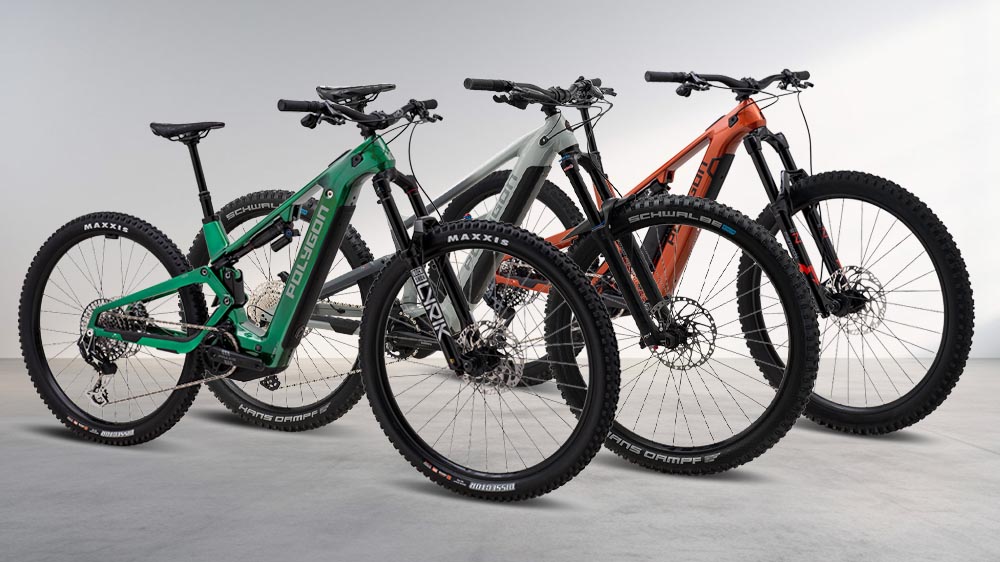
- Siskiu TE: A versatile electric mountain bike with balanced geometry and efficient climbing performance
- Collosus TLE: Designed for aggressive terrain with strong motor support and stability
- Collosus TE: Built for technical trails, offering control and power on steep climbs
These models combine modern e-MTB design with reliable components, making them suitable for riders who want confidence on both climbs and descents.
Can Regular E-Bikes Climb Well?
Yes, regular electric bikes can climb effectively, but performance depends heavily on the specifications.
An entry-level electric bicycle with lower torque or a hub motor may handle gentle inclines, but it can struggle on steep or sustained climbs. Without sufficient torque or gearing, the motor may feel underpowered, and the rider may need to put in more effort.
On the other hand, a well-equipped E-bike with:
- mid-drive motor
- sufficient torque
- wide gear range
can climb surprisingly well, even outside the e-MTB category.
The key difference lies in efficiency and control. Bikes designed specifically for climbing, like electric mountain bikes, will always perform better on technical terrain, while general-purpose e-bikes are better suited for mixed or moderate routes.
Just getting into electric bikes? Check out our beginner-friendly guide here.
Conclusion
Climbing performance in an E-bike comes down to the right combination of torque, motor placement, gearing, and battery capacity. While high power numbers may look impressive, real-world climbing depends more on how efficiently that power is delivered.
For riders who regularly tackle hills, prioritizing a mid-drive system, high torque, and proper gearing will make a noticeable difference. Whether choosing a dedicated electric mountain bike or a versatile electric bike, focusing on these fundamentals ensures smoother climbs, better control, and a more enjoyable riding experience overall.
Read also: