



Getting into gravel racing for the first time is equal parts exciting and intimidating. It is not simply road riding on dirt, because the terrain changes constantly, pacing becomes less predictable, and small preparation mistakes often feel much bigger after several hours on rough surfaces.
For first-time riders, understanding how gravel races work usually matters as much as fitness itself.
Understand What Gravel Racing Really Is
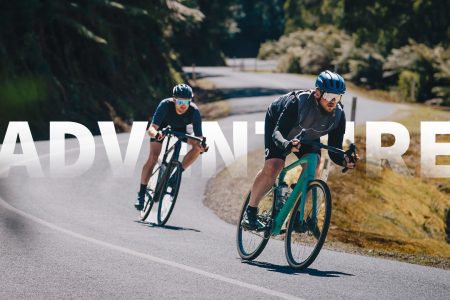
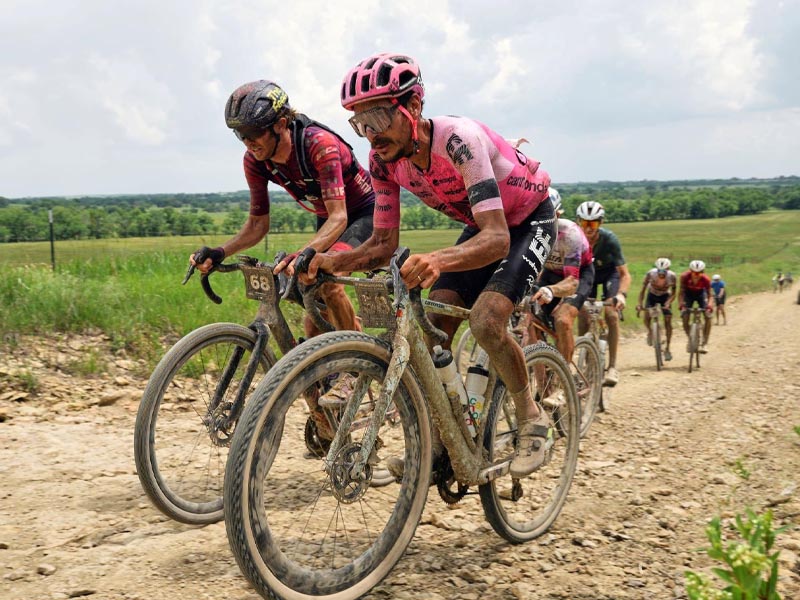
Gravel racing sits between road cycling and Mountain biking, combining long-distance endurance with constant terrain changes. A typical course may include hard-packed gravel, loose stones, mud, short tarmac sectors, and repeated rolling climbs.
Distances often range from 50 km to well over 150 km, and many events provide only limited aid support. That means riders must manage effort, hydration, and minor mechanical issues with their gravel bike independently.
Unlike road racing, maintaining a perfectly steady pace is difficult because the terrain constantly changes in resistance. Loose gravel climbs usually demand more energy than they appear to on paper, while descents often require calm handling rather than aggressive speed.
This is why a first gravel event should be approached as an endurance challenge where strategy matters just as much as fitness.
How to Train for a Gravel Race?
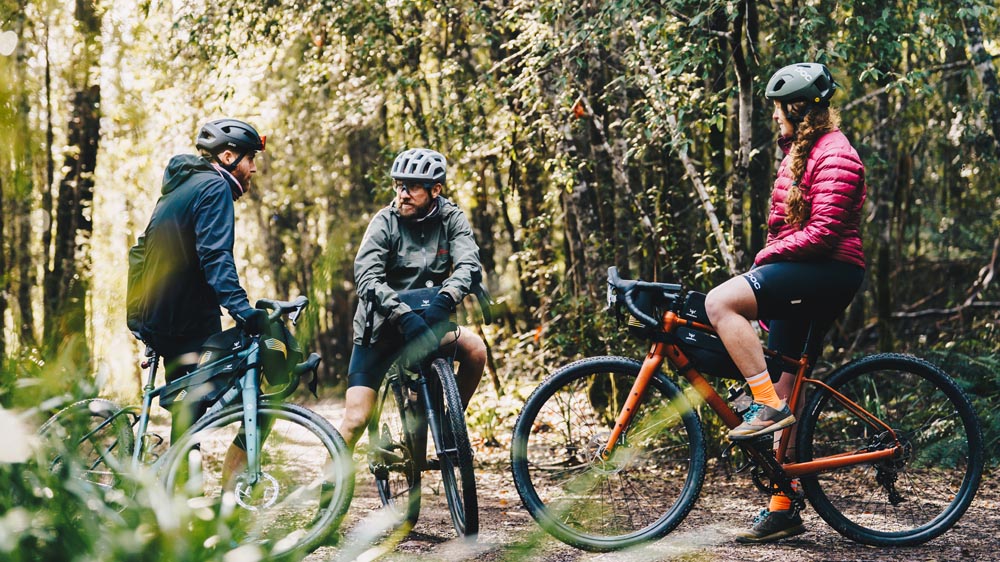 A first gravel racing build does not need to be highly complex, but it should create endurance, efficiency, and confidence on uneven terrain.
1. Build a Strong Endurance Base
A practical suggestion is riding 3–5 times per week at easy to moderate intensity, with one longer ride included consistently.
Long rides can begin at 1–2 hours, then gradually extend as the event approaches. The goal is not speed, but teaching the body to stay comfortable for long periods on a gravel bicycle.
Long endurance sessions help improve:
- Aerobic efficiency
- Pacing discipline
- Fatigue resistance
- Comfort on the bike
For most beginners, consistency matters more than high intensity.
2. Add Lower Cadence Training
Gravel bike racing often requires sustained torque, especially on loose climbs. A few sessions at 70–75 rpm help simulate the slower cadence often needed when climbing steep gravel sections where traction matters.
Lower cadence work trains riders to stay controlled when the surface prevents quick spinning.
3. Train on Actual Gravel
Fitness alone is not enough. Riding on real gravel teaches how a gravel bike behaves when traction changes suddenly.
Practice should include:
- Cornering on loose surfaces
- Descending without overbraking
- Seated climbing for traction
The more familiar the bike feels on uneven terrain, the less energy is wasted reacting during the race.
4. Fulfill Your Nutrition Properly
Nutrition mistakes often decide how difficult the final hour becomes. A practical target is 60–90 grams of carbohydrates per hour once the race begins. This helps maintain energy across long efforts.
Hydration should stay around 500–750 ml per hour, ideally with electrolytes, especially in warm conditions.
Many riders combine sports nutrition with simple, real food, such as rice balls, banana bread, or energy bars. Testing nutrition during training is important because race day should not introduce anything unfamiliar.
Taper Before Race Day
The final days before the event should reduce fatigue rather than add more work. A taper simply means lowering ride volume while keeping short, easy sessions to maintain leg freshness.
Avoid hard sessions immediately before race day, and do not over-focus on equipment changes late in the week. Fresh legs usually matter more than one final hard ride.
Prepare the Right Equipment
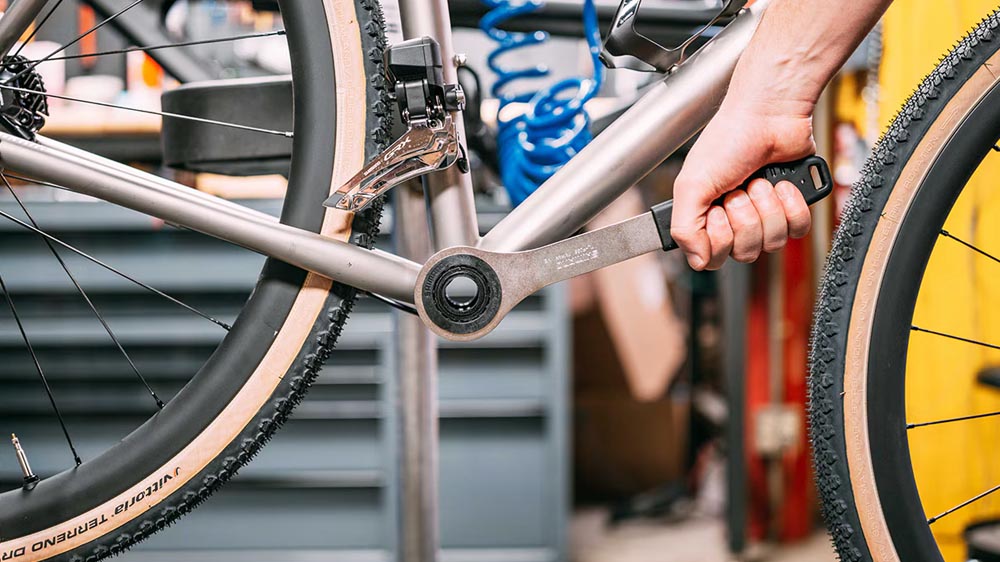 Gravel bike setup has a major effect on comfort and control.
Tire Choice and Pressure
Tires are one of the most important decisions in gravel racing. Many riders choose 38–45 mm tires, depending on terrain.
Lower tire pressure usually improves:
- Grip
- Comfort
- Stability on loose gravel
The correct gravel bike tire pressure depends on rider weight and tire volume, but lower pressure usually works better than many first-time riders expect. Need a gravel bike tire pressure guide? Check how to optimize your gravel bike tire for better performance here!
Gearing
Easy gearing is equally important. Gravel climbs often feel harder than road gradients because loose surfaces resist momentum. A setup with accessible climbing gear helps preserve energy over long distances.
A first gravel event is rarely won by early speed. Riders who pace well, eat consistently, and stay calm when the surface changes usually finish stronger.
For beginners, gravel racing is less about chasing perfect numbers and more about learning how fitness, handling, and preparation come together over distance.
Read also