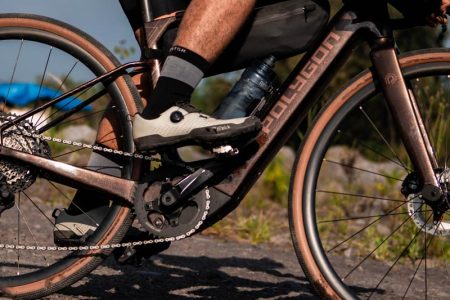











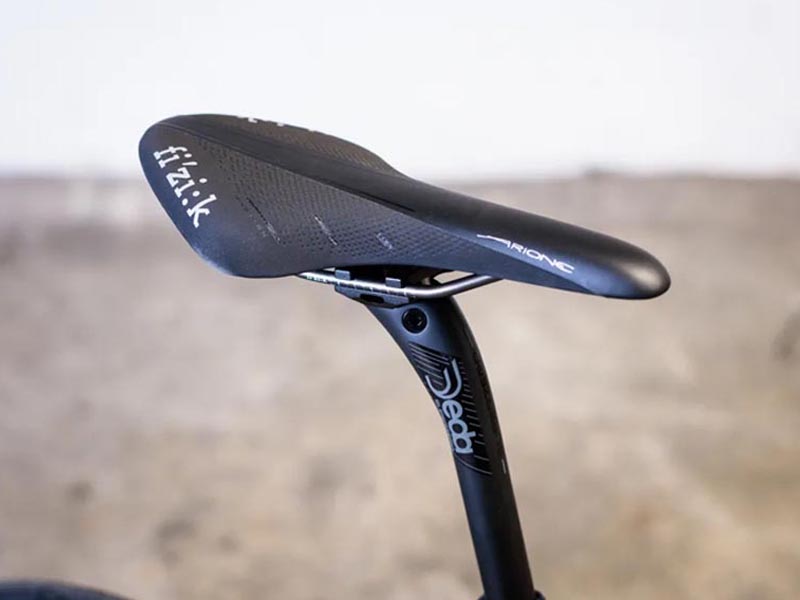
A road bike saddle is the seat designed specifically for a road bike or road bicycle. Unlike casual bike seats, road bike saddles are built to support performance riding positions, often lower, faster, and more aerodynamic. The right saddle balances weight, support, and pressure distribution, allowing you to ride longer without discomfort.
Choosing the correct one can completely transform your experience on the bike.
What Are Road Bike Saddles Types?
Not all road bike saddles are shaped the same. Different designs suit different riding positions, flexibility levels, and comfort preferences.
1. Flat Saddles
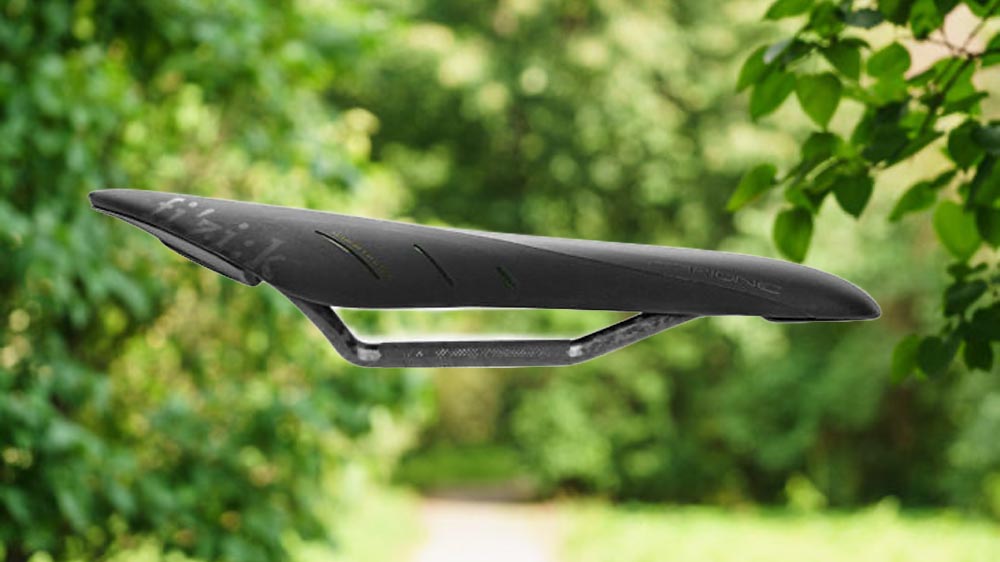 Flat saddles have minimal curvature from the nose to the rear. The surface stays relatively straight across the length of the saddle.
This design works well for riders who move frequently on the saddle during rides. Flexible cyclists and riders who maintain aggressive riding positions often prefer flat saddles because they allow easy front-to-back movement during efforts like climbing or sprinting.
2. Racing Saddles
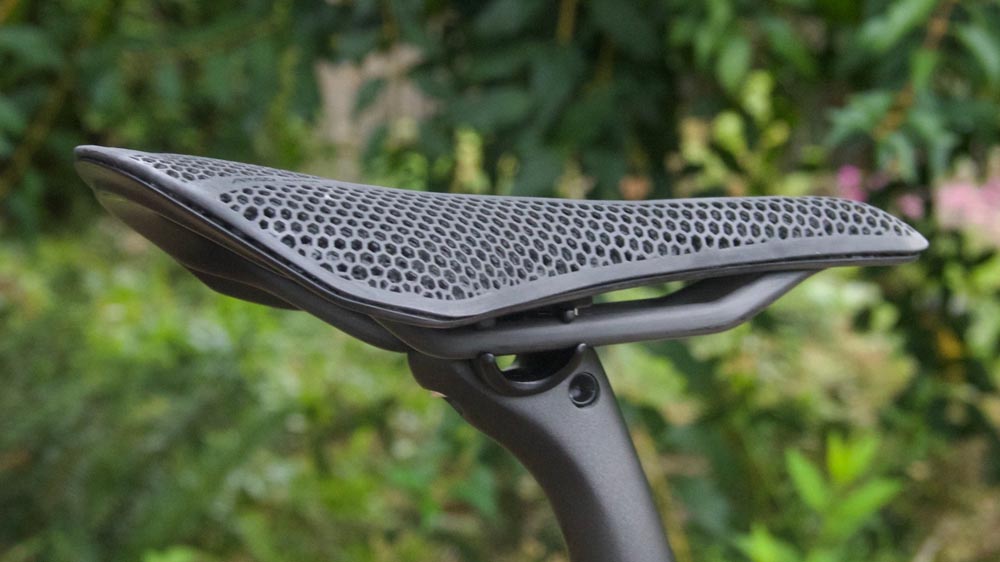 Racing saddles focus on performance and weight efficiency. These road bike saddles are usually lightweight and feature minimal padding.
They are typically found on high-end road bicycles and race-oriented setups where efficiency matters more than plush comfort. Racing saddles prioritize power transfer and aerodynamics rather than soft cushioning.
3. Curved Saddles
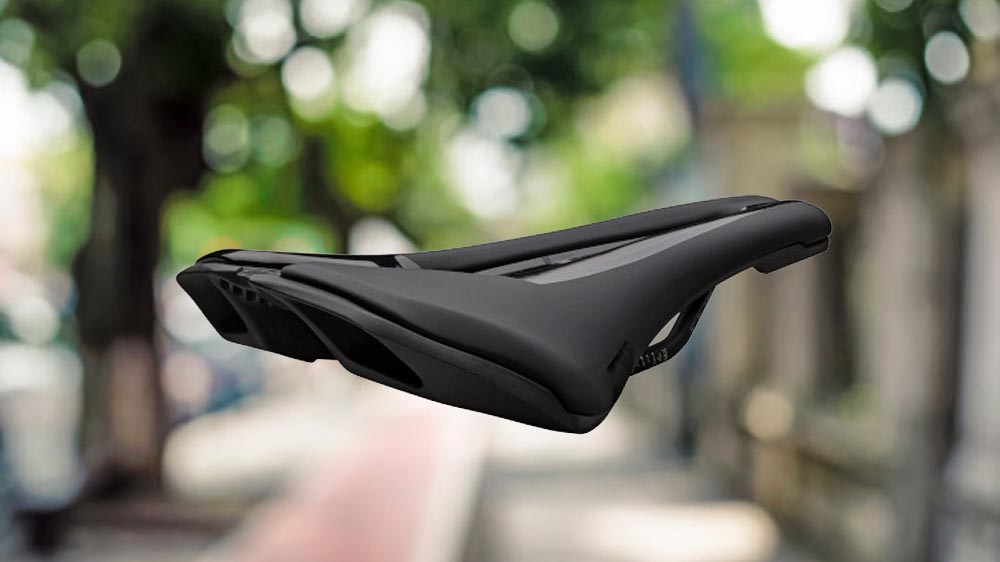 Curved saddles (waved saddles) feature a noticeable dip in the middle with a slightly raised rear section.
This shape helps support riders who prefer staying in one consistent position while pedaling. The curved profile naturally holds the sit bones in place, providing extra pelvic support and stability.
4. Short Nose Saddles
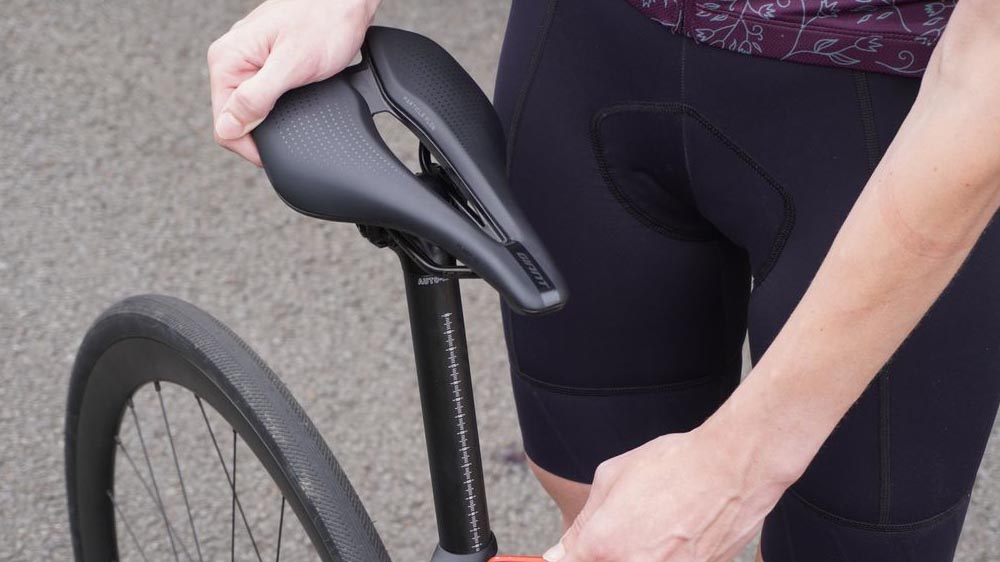 Short nose saddles have become increasingly popular in modern road cycling. As the name suggests, short nose road bike saddles have a shorter overall length and a wider rear platform.
This design reduces pressure on sensitive areas when riders adopt an aggressive aerodynamic posture. Because the nose is shorter, the rider can rotate their hips forward without creating excessive soft tissue pressure.
5. Endurance Saddles
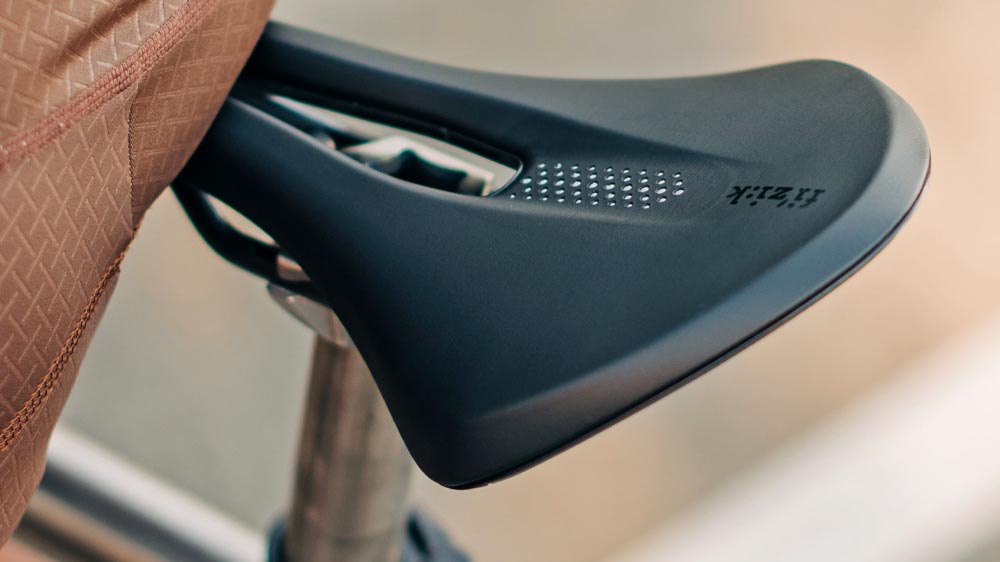 Endurance saddles focus on comfort for longer rides. They usually feature slightly thicker foam or gel padding and may include pressure-relief channels or cut-outs.
These road bike saddles are popular among recreational cyclists, beginners, and riders who prioritize comfort over minimal weight.
However, it’s important to remember that excessive padding doesn’t always equal better comfort. Proper support and correct saddle width usually matter more than soft cushioning.
Why Saddle Choice Matters?
Choosing the right road bike saddles is critical because the saddle is one of the primary contact points between the rider and the bicycle.
A poorly chosen saddle can lead to several common cycling problems, including numbness, saddle sores, lower back discomfort, and knee pain. Over longer rides, even small pressure issues can quickly become major sources of discomfort.
A properly fitted saddle distributes body weight onto the sit bones rather than soft tissue. This improves comfort while also helping maintain efficient pedaling mechanics.
Saddle choice also affects riding posture. Riders using aggressive road bike setups often need narrower or shorter saddles to accommodate their forward position, while endurance riders may prefer shapes that provide additional support.
Simply put, the right saddle allows you to ride longer, more efficiently, and with less fatigue.
How to Make Road Bike Saddles More Comfortable?
Even the best road bikes won’t feel good if the saddle setup is wrong. Comfort depends not only on the saddle model but also on adjustment.
- Set Correct Saddle Height: Too high causes hip rocking and knee pain. Too low reduces pedaling efficiency and strains the knees.
- Adjust Saddle Tilt: Start with the saddle level. A slight nose-down adjustment can relieve pressure, but excessive tilt can cause sliding forward and hand fatigue.
- Check Fore-Aft Position: Moving the saddle slightly forward or backward changes weight distribution and pedaling mechanics.
- Wear Proper Cycling Shorts: A quality chamois significantly improves comfort on performance-oriented road bike saddles.
How to Choose Road Bike Saddles?
Choosing the right road bike saddle isn’t about picking the most expensive option. It’s about matching:
- Your sit bone width
- Riding position (aggressive vs upright)
- Flexibility level
- Typical ride duration
If you’re unsure where to start, the best approach is to measure your sit bones and identify whether you prefer a stable or mobile riding style.
For a deeper step-by-step breakdown, including measurement methods and fit tips, check out our full guide: How to choose road bike saddles?
Read also: Road Bike Guidelines 101