









A long ride isn’t just about strong legs — it’s about smart preparation. Whether you’re dreaming of a weekend escape or a multi-day adventure, successful long-distance cycling trip planning makes the difference between a memorable journey and an uncomfortable struggle.
This guide will walk you through route strategy, pacing principles, and smart packing so you can ride farther with confidence and enjoy every kilometer.
Start With the Right Route Strategy
 The foundation of any good long-distance cycling trip planning process is your route. It’s not just about distance — it’s about terrain, safety, and support.
Choose roads and trails that match your experience level. Traffic volume, road surface quality, elevation gain, and access to food and water all matter more than a straight line on a map. A slightly longer, quieter road is often better than a short but dangerous one.
Digital route planners and cycling apps make it easier to visualize climbs, descents, and potential rest points. Planning fuel stops every 30–50 kilometers keeps your energy stable and adds mental checkpoints to the ride. Knowing where you can refill water or grab food reduces stress and helps you stay focused on enjoying the ride.
Bikes like the Polygon Strattos S carbon road bike are designed with endurance geometry in mind, offering a comfortable position that supports long hours in the saddle.
For riders who want more surface flexibility, the Polygon Bend gravel bikes open more route options without sacrificing efficiency.
Mastering Pacing for Long-Distance Comfort
One of the biggest mistakes in early long-distance cycling trip planning is overestimating your sustainable speed.
Long-distance cycling is not about riding fast — it’s about riding steady. The most effective pacing strategy is to start slower than you think you should. This protects your muscles, preserves glycogen stores, and keeps your heart rate in an efficient zone.
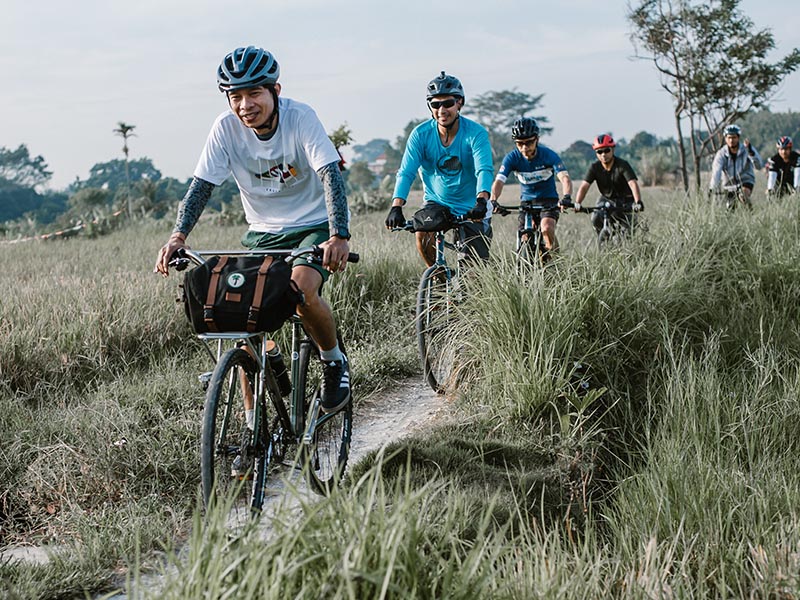
A good rhythm should feel controlled and conversational during the first half of the ride. As tempting as it is to push hard in the beginning, the real test always happens in the final third of the trip.
Cadence plays an important role as well. Spinning lighter gears at a higher cadence reduces muscular fatigue and helps prevent cramps.
Bikes with wide-range drivetrains, like many models in the Polygon Helios A road bike and Polygon Strattos S carbon road bike, give you the gear flexibility needed to keep an efficient rhythm across changing terrain.
Smart Packing: Travel Light, Ride Far
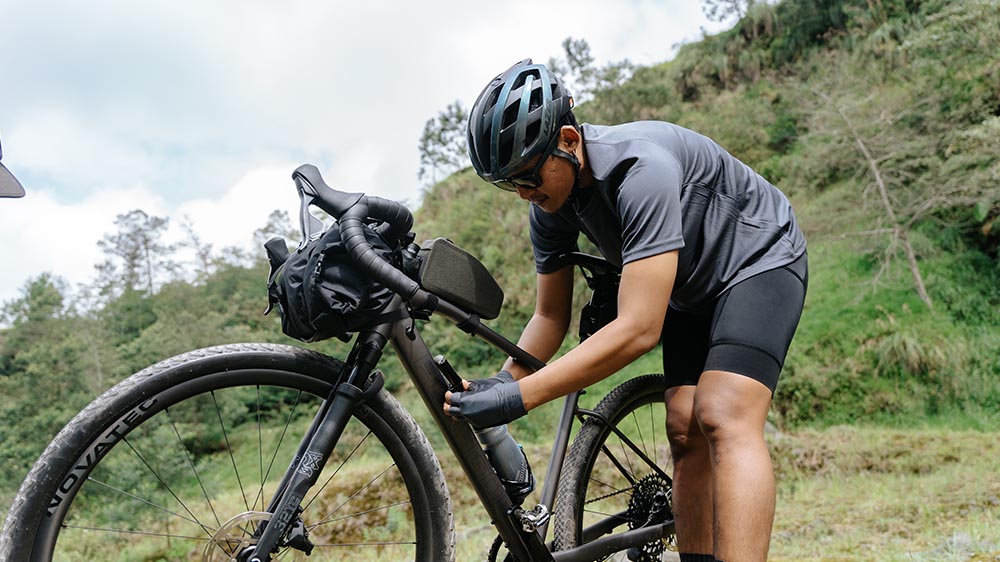 Packing is a core part of long-distance cycling trip planning. Every item you carry should earn its place.
Instead of overpacking, focus on versatility. Lightweight jackets, compact tools, and multipurpose accessories reduce weight without sacrificing safety. Hydration should be planned carefully — enough to stay fueled, but not so much that it adds unnecessary load.
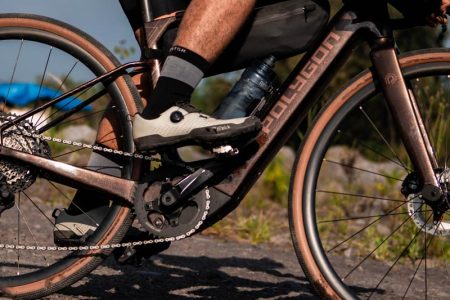
Frame bags, saddle bags, and compact handlebar bags help distribute weight evenly and keep your bike stable at speed. This is especially important for riders using gravel or adventure setups like the Polygon Bend gravel bike series, which are designed to carry gear without compromising handling.
Essential items usually include basic repair tools, spare tubes or tubeless plugs, a compact pump, nutrition, and identification. The goal is not to be fully self-sufficient for everything, but to be prepared for common issues.
Comfort is the Real Performance Upgrade
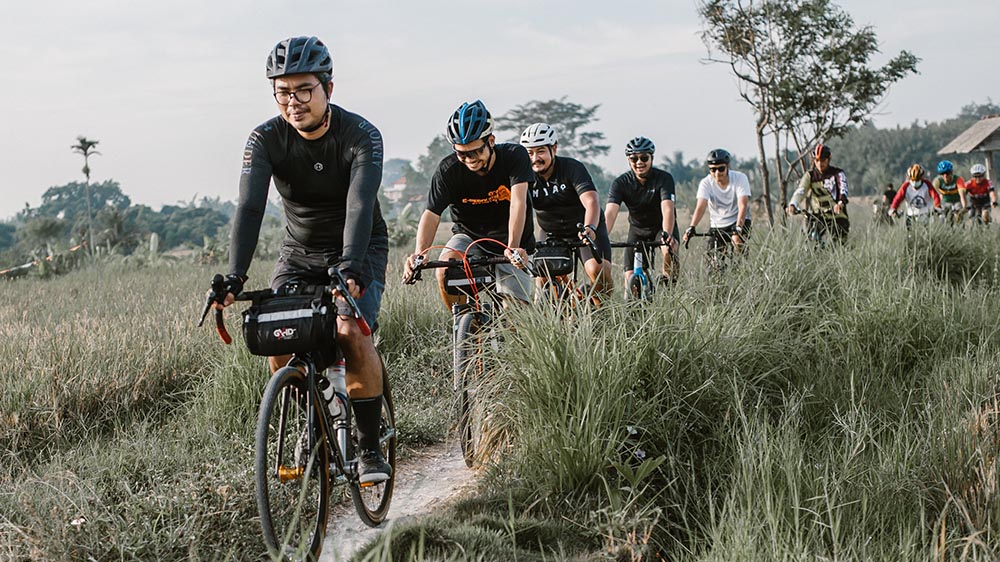 The more comfortable you are, the farther you can ride.
Saddle comfort, handlebar position, and frame geometry play a bigger role in long rides than raw speed. Ergonomic contact points reduce numbness and preserve energy over time.
Polygon endurance-focused road bikes like the Strattos and Helios platforms are designed to balance stiffness with compliance, absorbing road vibrations and reducing fatigue on long rides. For riders exploring mixed surfaces, Polygon gravel bikes provide extra tire clearance and frame compliance that smooths rough roads and trails.
Comfort isn’t a luxury in long rides — it’s a performance strategy.
Mental Preparation Matters as Much as Physical
Long rides challenge your mindset as much as your legs.
Breaking your route into smaller mental segments makes the distance feel manageable. Instead of focusing on the full distance, focus on reaching the next town, the next climb, or the next rest stop.
Weather, fatigue, and unexpected challenges are part of the adventure. The best long-distance cycling trip planning includes flexibility. A backup route, an emergency plan, and a “slow but steady” mindset help you handle changes calmly and safely.
Why Bike Choice Matters for Long Distance Adventures
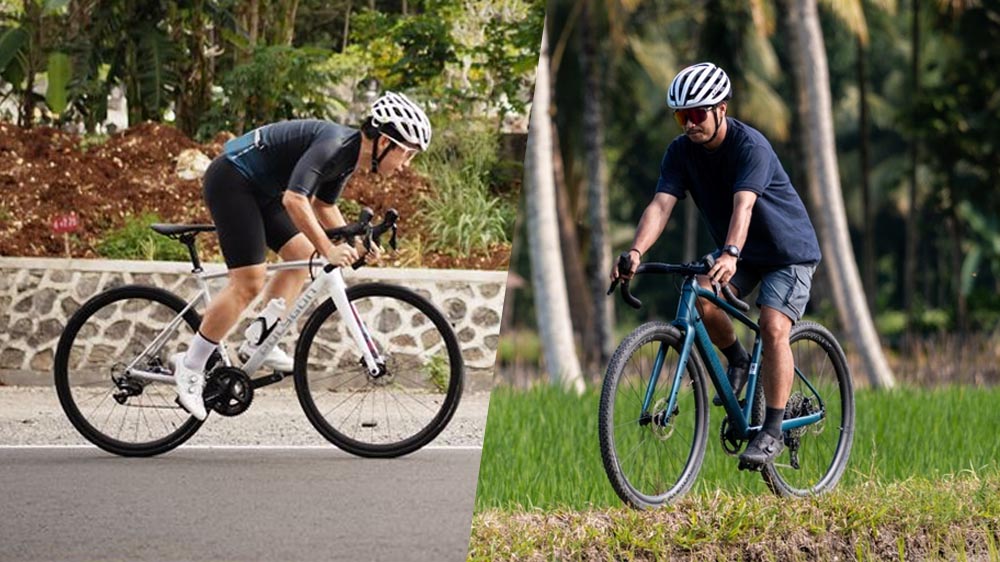 Not all bikes are built for long hours in the saddle.
All-rounder road bikes and gravel bikes offer more relaxed geometry, stable handling, and better comfort than pure race-focused designs. Polygon’s range of endurance and adventure bikes gives riders a platform that supports both speed and comfort over long distances.
Whether you choose a Polygon Strattos for fast paved rides or a Polygon Bend for gravel and mixed terrain, the right platform transforms your journey from a challenge into an experience.
Final Thoughts: Plan Smart, Ride Far
Great adventures don’t happen by accident — they’re built through smart preparation.
With thoughtful long-distance cycling trip planning, the right pacing strategy, and smart packing choices, you turn uncertainty into confidence. Combined with a reliable performance bike from Polygon, your long-distance ride stops feeling like a risk and starts feeling like an exciting journey waiting to happen.
The road always feels shorter when you’re properly prepared.
Read also: Bikepacking Adventure: Beginner’s Guide