









Steep climbs can feel intimidating, especially when your legs start burning halfway up. But professional riders aren’t just stronger, they’re smarter with their technique. Learning how to climb hills on a road bike efficiently is about cadence, body position, and smart pacing.
In this guide, you’ll discover the same climbing principles used by elite cyclists, explained in a way that’s easy to apply on your next road bicycle ride.
Why Technique Outperforms Strength on Canadian Climbs?
Cycling Canada’s most notable climbs, such as Mont Tremblant (QC), the Sea to Sky Highway (BC), or Caledonia Mountain (AB), requires more than raw leg power. Success depends on efficient technique, pacing, and tactical positioning.
Maintaining a consistent cadence, typically 80–90 rpm, promotes endurance and reduces fatigue. Strategic transitions between seated and standing positions allow road cyclists to optimize energy use, while attentiveness to environmental conditions such as coastal winds, high-altitude oxygen levels, or summer heat ensures sustained performance.
Climbs should also be approached with mental focus. Segmenting the ascent into manageable intervals and maintaining a steady rhythm enhances both efficiency and resilience, enabling riders to reach the summit feeling capable and controlled.
Core Climbing Techniques
 1. Cadence Climbing: Spin Like the Pros
One of the biggest secrets of elite climbers is cadence control.
Instead of grinding a heavy gear, pros aim to maintain a high, consistent cadence. This keeps muscles fresher and reduces early fatigue.
A practical target:
- 80–95 RPM on most climbs
- Smooth, circular pedal strokes
- Shift early, before the climb gets steep
This technique keeps momentum alive and helps you climb longer without burning out your legs.
2. Pacing Strategy: How Pros Survive Long Climbs
One of the most overlooked parts of learning how to climb hills on a road bike is pacing. Beginners often start too hard and fade quickly. Pros do the opposite.
A simple pro-style pacing approach:
- Start slightly easier than you think you can handle
- Set a rhythm you can maintain for the full climb
- Increase effort only in the final section
This strategy keeps your legs alive when others begin to crack.
3. Gear Selection: Climb Smarter, Not Harder
Smart shifting is critical when learning how to climb hills on a road bike.
Good habits include:
- Shifting to easier gears early
- Avoiding gear changes under heavy load
- Keeping your chainline as straight as possible
Modern Polygon road bikes are equipped with smooth, reliable drivetrains that make climbing more fluid and less stressful, even under load.
Seated vs Standing: When Pros Sit and When They Stand
 Knowing how to climb hills on a road bike also means knowing when to stay seated and when to stand.
Seated Climbing
This is the most efficient and commonly used technique.
Benefits:
- Better rear-wheel traction
- Lower heart rate
- More sustainable over long climbs
Best used for:
- Long, steady gradients
- Rough or slippery surfaces
Standing Climbing
Pros stand when they need bursts of power.
Best for:
- Short, steep ramps
- Accelerating over crests
- Changing muscle activation to reduce fatigue
The key is to stand briefly, then return to seated climbing to conserve energy.
How the Right Bike Makes Climbing Easier
Equipment won’t replace technique, but it can amplify your effort.
Polygon road bikes are designed with lightweight frames and efficient geometry to help riders climb more efficiently.
Polygon Strattos S Road Bike Series
 Perfect for endurance and climbing-focused riders:
- Lightweight alloy frame options
- Upright yet efficient riding position
- Excellent stability on long ascents
Polygon Helios A Road Bike Series
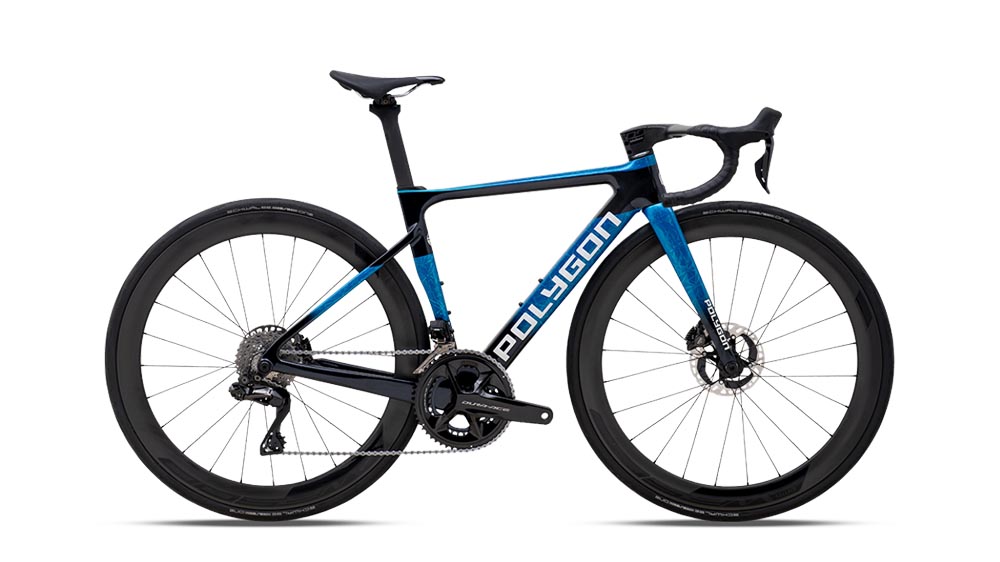 Built for pure performance:
- Lightweight carbon construction
- Stiff bottom bracket for better power transfer
- Race-inspired geometry for efficient climbing
These bikes give you a clear advantage when learning how to climb hills on a road bike over real-world terrain.
Professional Climbing Checklist for Canadian Riders
-
Understand the Route
Prior to any climb, review key parameters: gradient, length, elevation gain, and road conditions. Recognized climbs like Mont Tremblant (QC), Sea to Sky Highway (BC), and Caledonia Mountain (AB), pose challenges even for experienced road cyclists. Advanced preparation facilitates effective energy management and consistent pacing.
-
Optimize Body Position and Pedaling Technique
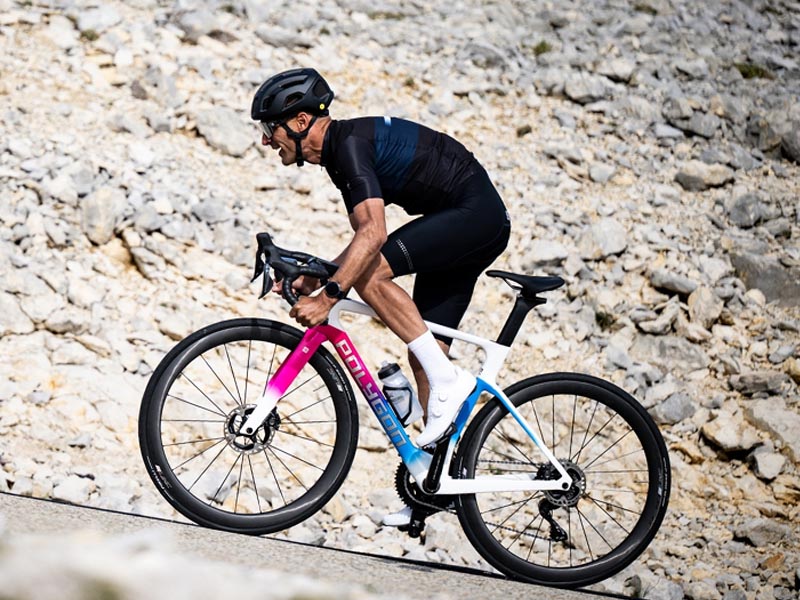
For extended climbs, remaining seated conserves energy, whereas brief standing intervals allow controlled power surges. Maintain a relaxed upper body, light grip on the handlebars, and smooth, circular pedaling to maximize efficiency on the road bike.
-
Implement Strategic Pacing
Commencing at a moderate pace is essential; initiating a climb too aggressively increases fatigue risk. Divide longer ascents into smaller segments and maintain a target cadence of 80–90 rpm, reducing only for short bursts of power. Employing tools such as power meters or effort zones can further refine pacing strategies.
If you’re looking for a power meter road bike, our Helios A0 AXS or Helios A9Di2 PM could be the best choice!
-
Adapt to Terrain and Environmental Conditions
High-altitude climbs in Alberta and British Columbia require careful energy and oxygen management. Coastal climbs in British Columbia demand aerodynamic positioning to mitigate wind resistance.
Rolling climbs in Quebec and Ontario necessitate smooth gear transitions. Tailoring technique to the specific terrain ensures optimal performance.
-
Focus and Recovery
Maintain mental clarity by concentrating on intermediate landmarks rather than total elevation gain. Controlled breathing and positive mental strategies help manage exertion.
Upon completing the climb, engage in a 10–15 minute cooldown to facilitate lactic acid removal, perform targeted stretches, and replenish with carbohydrates and protein. Structured recovery supports subsequent climbs and overall riding performance.
Read also:
Final Thoughts: Climb with Technique, Not Ego
The real secret to how to climb hills on a road bike isn’t brute force, it’s control, rhythm, and patience.
By adopting pro-level cadence, smart body positioning, and disciplined pacing, you’ll start climbing faster, smoother, and with far less suffering.
And with a well-engineered road bike from Polygon, every hill becomes a challenge you’re ready to conquer.