





Why Gravel Bikes Are in High Demand in Canada?
Gravel bikes are in high demand in Canada because they perfectly match the country’s mixed terrain pavement, gravel roads, and trails. Their versatility allows riders to commute, explore, and tackle long-distance rides with one bike.
They’re also better suited for harsh and changing conditions, offering stability and durability. Combined with a strong outdoor culture, growing gravel events, and safer low-traffic routes, gravel bikes have become the go-to choice for modern Canadian cyclists.
What Exactly Is a Gravel Bike (and Why People Love It)
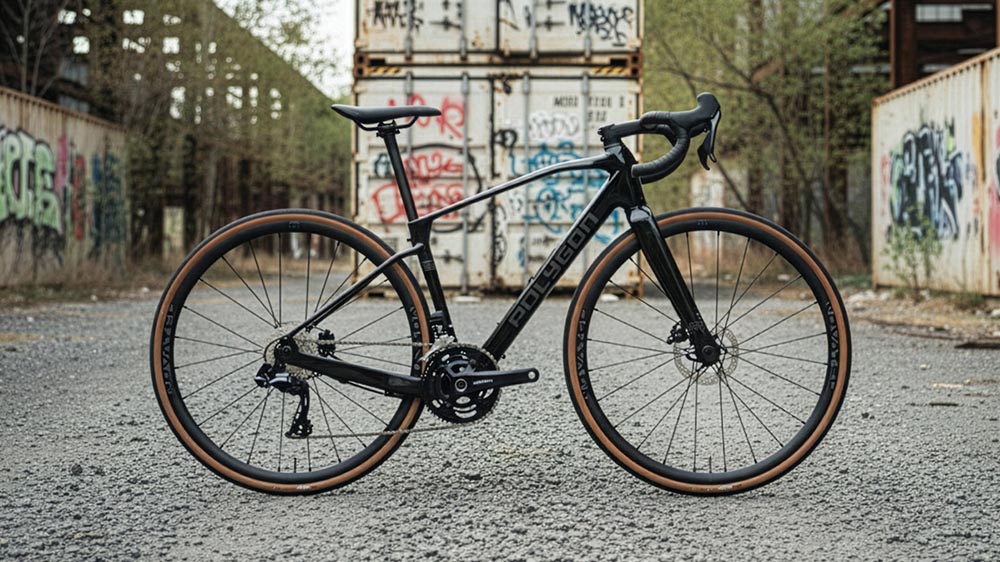 A gravel bike is often described as the “Swiss Army knife” of bicycles. At first glance, it may look similar to a road bike, but under the surface, it’s designed differently.
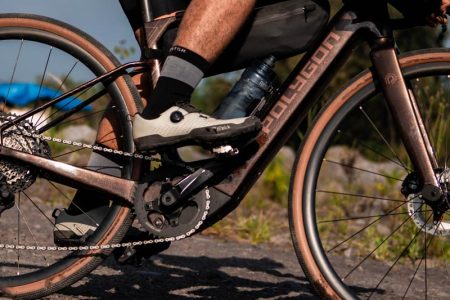
Gravel bikes combine drop handlebars with endurance-focused geometry, wider tire clearance, and mounts for racks or bags. This gives them the ability to transition from smooth tarmac to gravel paths and even light singletrack without missing a beat.
Why do people love them? Because they remove limits. Unlike road bikes that are confined to pavement or mountain bikes that feel sluggish on asphalt, gravel bikes thrive in the in-between zones.
They’re perfect for riders who want variety, like commuting during the week, riding light forest trails on the weekend, or even signing up for gravel racing events. The rise in gravel events worldwide, from grassroots community rides to international competitions, has further fueled this trend.
What’s New in Gravel Bikes?
Gravel bikes have matured quickly, and the latest generation is bringing fresh updates designed to enhance performance and comfort. Here’s what’s defining gravel:
Frame Innovations
Frame technology continues to evolve. Carbon frames are lighter and stiffer while maintaining compliance for endurance riding. Many bikes now feature dropped seat stays, improving comfort by absorbing vibrations from rough terrain.
Geometry has shifted towards a more endurance-oriented design, with longer wheelbases and slacker head tubes for stability during long rides.
Drivetrain Shifts
The era of the 2x drivetrain in gravel is fading. Most current gravel models lean toward 1x setups, simplifying shifting while providing wide-range cassettes that can tackle steep climbs and fast flats. SRAM’s XPLR and Shimano GRX lines dominate this segment, reflecting the industry’s confidence in 1x as the gravel standard.
Tire Clearance & Tubeless Designs
Gravel bikes are pushing tire clearances up to 50mm, giving riders flexibility depending on terrain. Almost all modern gravel bikes are tubeless-ready, which means fewer flats, the ability to run lower tire pressures, and improved traction. This is a direct response to rider demand for adventure-readiness without constant mechanical interruptions.
Integration of E-Gravel Bikes
Electric gravel bikes are gaining traction, especially among riders who want to extend their adventures without worrying about fatigue. While they’re not taking over the category, they offer a valuable option for riders who want to keep up with faster friends or simply ride further.
Brands are focusing on subtle motor integration, keeping the look and feel close to traditional gravel bikes.
Types of Gravel Bikes
Not all gravel bikes are the same. Riders can now choose based on budget, performance, and riding style.
Alloy Gravel Bikes
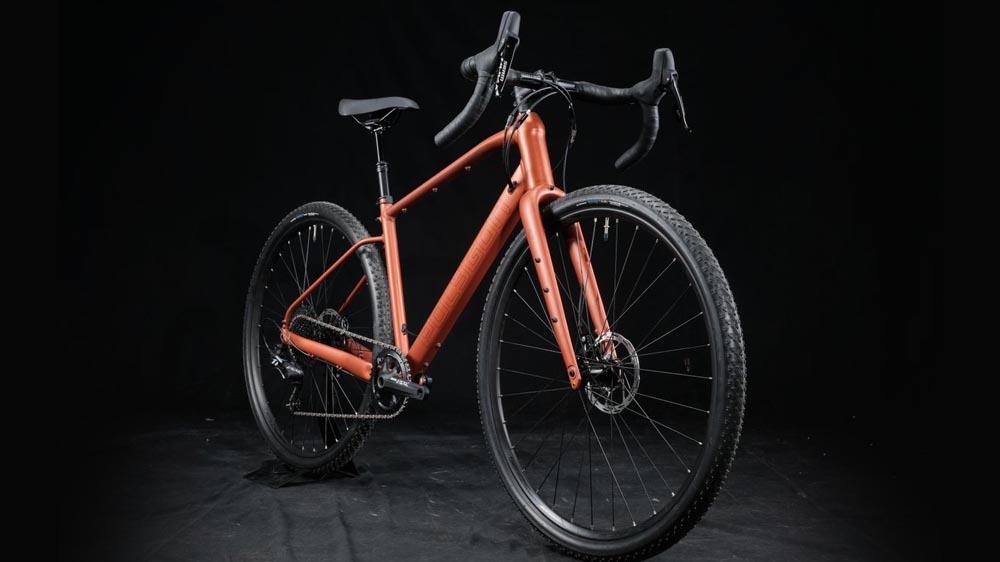 Affordable, durable, and adventure-ready. Bikes like the Bend R7 and Path X5 are perfect for beginners or riders looking for a sturdy all-rounder. They may weigh a little more than carbon models, but alloy gravel bikes are loved for their reliability and value.
Carbon Gravel Bikes
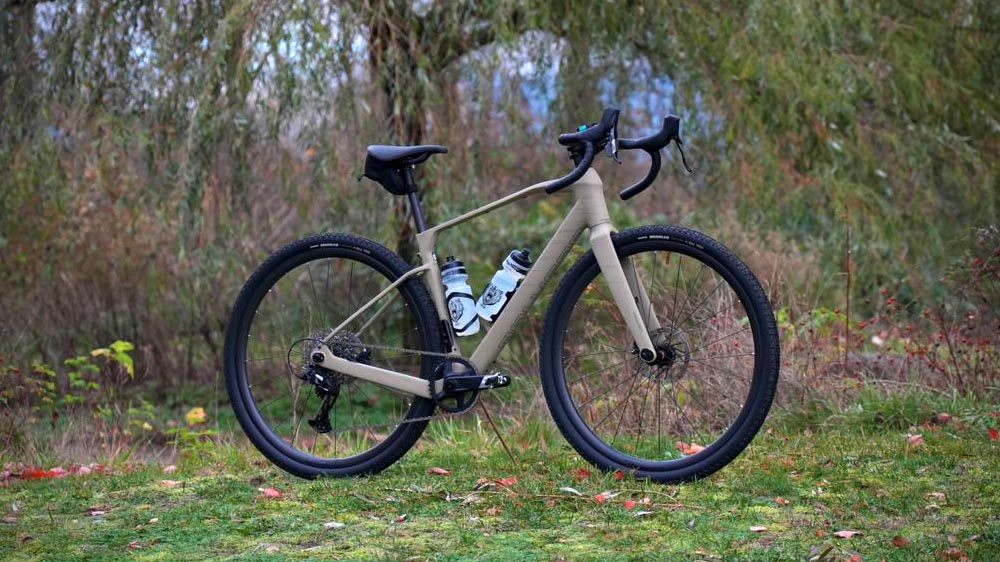 Lightweight and performance-driven, carbon gravel bikes like the Tambora G5 and G7 are ideal for competitive riders or those tackling long distances. The vibration-damping qualities of carbon make them more comfortable on extended rides, while their weight savings add speed on climbs.
Electric Gravel Bikes
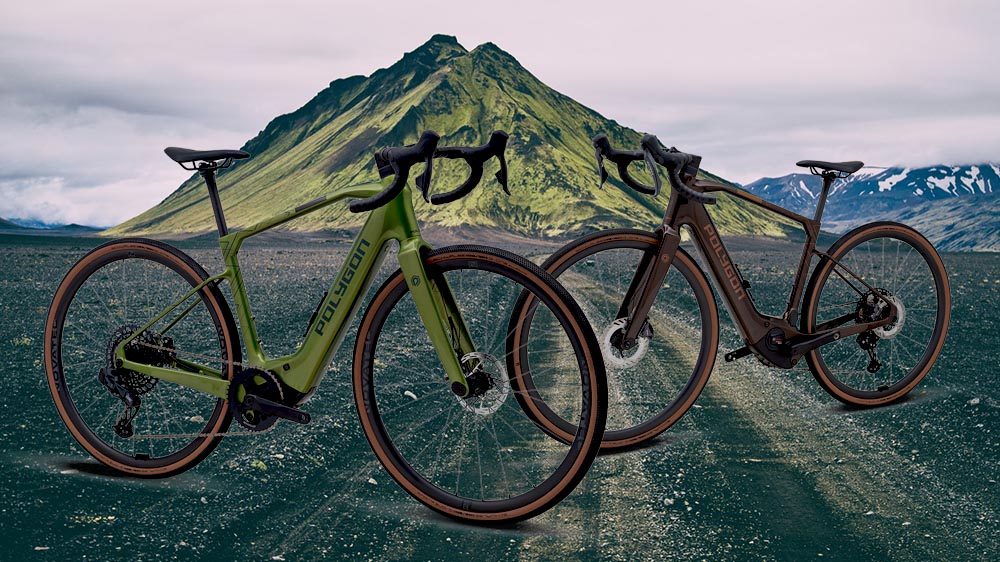 E-gravel models such as the Tambora AE GX and GRX expand the possibilities of gravel riding. With motor assistance, riders can tackle longer distances, steeper climbs, and tougher terrains without hesitation. They’re perfect for those who want adventure with a little less physical strain.
Key Gravel Bike Buying Decisions
Choosing a gravel bike involves understanding your priorities and riding style. Here are the key factors to guide your decision:
Frameset
Gravel bikes typically have slacker geometry than road bikes, offering stability on rough terrain. Think about whether you prioritize speed or comfort, race-oriented gravel bikes are stiffer and faster, while endurance models prioritize comfort for long adventures.
Knowing the differences between gravel bike materials can help you choose better. Explore this further in our article, “Choosing Your Gravel Bike Frame: Alloy vs. Carbon.”
Drivetrain
Consider your local terrain. If you live in hilly areas, wide-range gearing is essential. For flatter regions, closer gear ratios offer smoother pedaling. 1x setups simplify your ride, while 2x systems still appeal to riders who prefer finer gear adjustments.
Wheels & Tires
Wider tires (38–50mm) provide traction and comfort. Going tubeless is strongly recommended, it reduces flats and lets you run lower pressures. Consider tread patterns too: slicker tires roll faster on roads, while aggressive treads handle dirt and gravel better.
Braking System
Disc brakes, especially hydraulic ones, are non-negotiable in gravel. They offer reliable stopping power in mud, rain, and steep descents.
Mounts & Racks
For bikepacking or touring, mounts for racks, fenders, and bottle cages are crucial. Even if you’re not planning adventures now, having mounts gives flexibility for future trips.
Comfort Features
Don’t overlook details like flared handlebars, suspension seatposts, or vibration-dampening carbon layups. These small upgrades can dramatically improve ride quality.
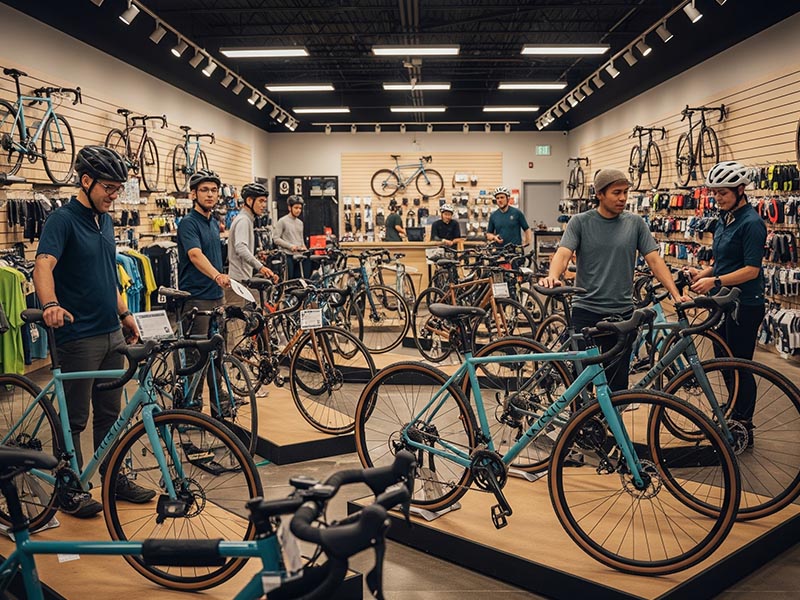
Gravel Bike Buying Tips in Canadian Bike Shops
- Choose based on terrain & versatility: Aim for 40–42mm tires with generous clearance so the bike can handle pavement, gravel, mud, and seasonal conditions across Canada.
- Balance durability, performance & value: Aluminum frames paired with gravel-specific groupsets like Shimano GRX give reliable performance without overspending.
- Prioritize control & long-ride comfort: Hydraulic disc brakes and stable, relaxed geometry improve safety, handling, and endurance on rough or unpredictable surfaces.
- Focus on fit & smart budgeting: Always test ride the gravel bike to ensure proper sizing and comfort, and target mid-range options, leaving room to upgrade components as your riding evolves.
Polygon Gravel Bike Series: Pick the Perfect One for You
Polygon offers a range of gravel bikes with unique characters:
- Tambora Series: Inspired by Mount Tambora, this series blends gravel and all-road speed in one versatile ride. Ideal for racers, distance lovers, and explorers alike.
- Bend Series: Built for adventure, the Bend delivers agile handling and rugged durability for riders who want to explore untamed paths with confidence.
- Path X: The urban-gravel crossover, Path X combines an alloy frame, drop bars, and 700x35C tires to turn commutes and city rides into adventures.
- Tambora AE: Powered by the BOSCH e-bike system, Tambora AE adds extra speed and endurance to the gravel experience with its lightweight ACX carbon frame.
Conclusion
The gravel bike movement shows no signs of slowing in the next year. With innovations in frames, drivetrains, and tire technology, plus the emergence of e-gravel options, the choices have never been better. Whether you’re a beginner looking for a reliable alloy build or a seasoned rider seeking a high-performance carbon machine, there’s a perfect match waiting.
This gravel bike buying guide by Polygon Bikes highlights the essentials, now it’s your turn to take the next step and ride into your adventure.
Read also:
Latest Gravel Bike Collections You Might Like
-
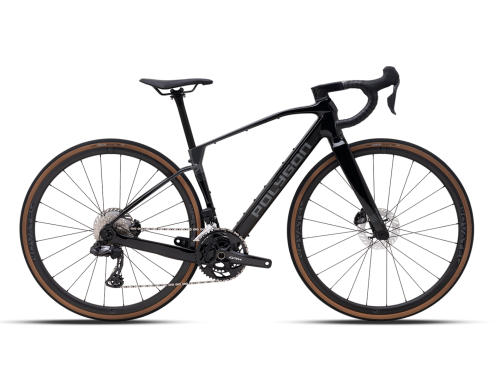 TAMBORA A9X$5,399.00
 -
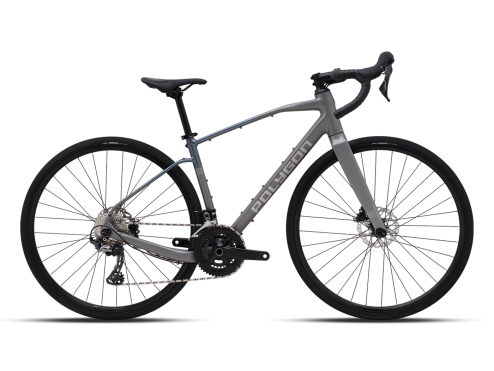 TAMBORA A4$1,999.00
 -
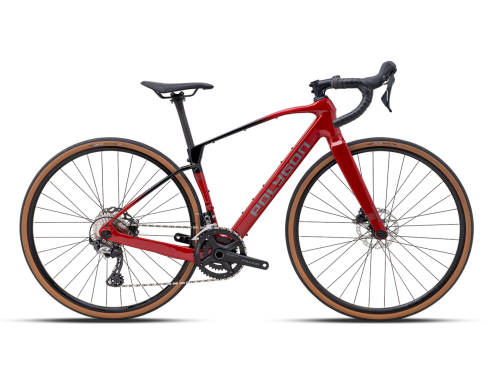 TAMBORA A5$3,199.00
 -
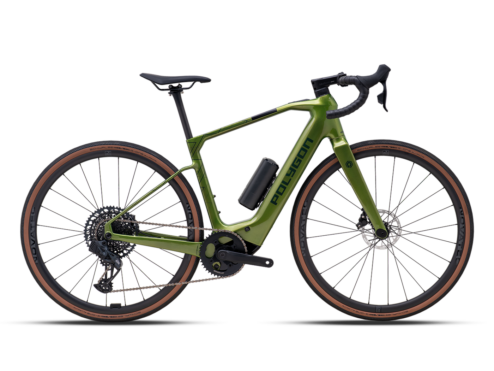 TAMBORA AE GX$4,999.00