




The environmental impact of electric bike battery production is real but nuanced. While making an e-bike battery isn’t “zero impact,” it’s far smaller than producing conventional vehicles like cars.
For many cyclists, understanding where the environmental costs come from, and how e-bikes compare over their lifecycle clarifies why electric bicycles remain a greener transportation option.
E-Bikes vs. Conventional Engines: A Massive Carbon Advantage
 A clear way to put electric bike emissions in perspective is by comparing lifecycle carbon output. Across production, use, and disposal, e-bikes emit roughly 90–95% less CO₂e than cars.
Even though manufacturing batteries creates emissions, the energy savings during daily use are substantial. Unlike cars, electric bicycles produce zero tailpipe emissions and consume minimal energy per kilometer.
Over their entire lifespan, this makes the overall carbon footprint significantly lower than that of conventional vehicles.
Where Does the Environmental Impact Come From?
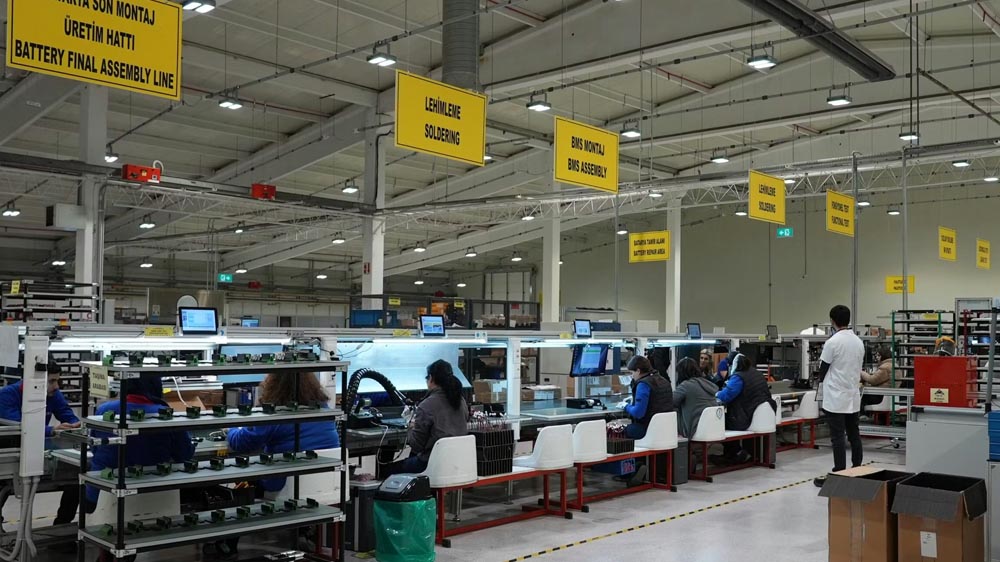 The environmental cost of an electric bike battery comes primarily from four stages: raw material extraction, manufacturing, carbon footprint, and recycling.
1. Raw Material Extraction
Most e-bike batteries are lithium-ion and rely on metals like lithium, cobalt, and nickel. Mining and refining these materials is energy-intensive and has significant ecological consequences:
- Land degradation and habitat loss
- Water depletion, particularly in South American lithium brine regions
- Chemical pollution from processing
This stage is often the most environmentally damaging, contributing heavily to lifecycle emissions. Despite being a small part of the total product, the raw materials define much of the battery’s environmental footprint.
2. Manufacturing Emissions & Energy Use
Battery assembly is another major source of emissions. Energy-intensive processes include:
- Cathode material processing
- Cell manufacturing and assembly
Globally, producing a kilogram of lithium-ion battery releases approximately 17.6 kg CO₂, and battery production can account for 40–50% of total e-bike manufacturing emissions. Energy sources matter: factories powered by fossil fuels generate much higher emissions than those running on renewables.
3. Carbon Footprint of the Electric Bike Battery
On average, producing a standard electric bicycle, including its battery, emits around 134–165 kg CO₂. While higher than conventional bikes, this is minuscule compared to cars or even electric vehicles. The battery dominates this footprint, but the overall impact remains modest, especially considering the emissions saved during regular riding.
4. Recycling: A Major Opportunity
Recycling e-bike batteries offers one of the most significant ways to reduce environmental impact, according to a Stanford University Report in 2025:
- 58–81% less greenhouse gas emissions
- 72–88% less water use
- 77–89% less energy use
However, only 4–5% of e-bike batteries are recycled worldwide. Expanding recycling infrastructure is a critical opportunity for making electric bicycles even more sustainable in the future.
Is E-Bike Battery Production Still Environmentally Friendly?
The short answer: yes, with caveats.
Even accounting for mining and manufacturing, e-bikes remain far more sustainable than cars. Smaller batteries (typically 400–800Wh) mean much lower impact than full-size EV batteries.
While there is an upfront environmental cost from materials and production, the savings during everyday use, low energy consumption, and zero tailpipe emissions make them a green alternative.
Mining, Manufacturing, and Recycling Are Key
The lifecycle of an electric bike battery boils down to three critical factors:
- Mining and material extraction are the largest environmental burden
- Manufacturing energy impacts vary depending on power sources
- Recycling systems the biggest lever for reducing emissions
Currently, the battery stage is the weakest link environmentally, but also the area with the greatest potential for improvement. Expanding recycling infrastructure and using cleaner manufacturing energy can make e-bikes even more sustainable in the years to come.
Conclusion
While electric bike batteries carry an environmental cost, they remain one of the most sustainable transport options available today. By understanding the impacts of mining, production, and recycling, cyclists can make informed choices about their e-bikes and advocate for greener practices.
Compared to cars, e-bikes offer massive emissions savings over their lifetime, and improvements in battery recycling will only enhance their sustainability moving forward.
Read also: