









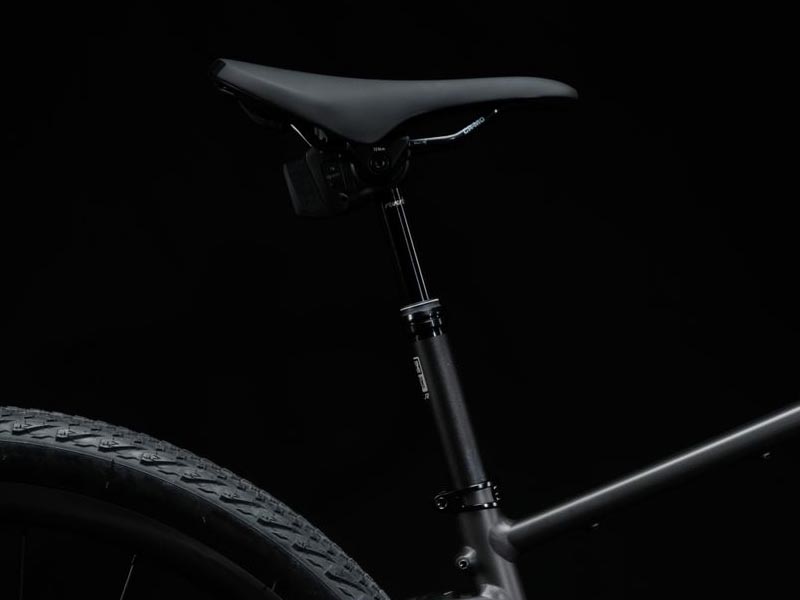
A gravel bike seatpost may look like a simple tube, but it has a major impact on comfort, control, and compatibility. On rough roads, long rides, and technical gravel, the right seatpost can absorb vibrations, reduce fatigue, and improve handling.
Whether you choose a carbon, suspension, or dropper design, selecting the right gravel bike seatpost helps your bike feel smoother, more stable, and better suited to the terrain you ride most often.
Key Types of Gravel Bike Seatposts
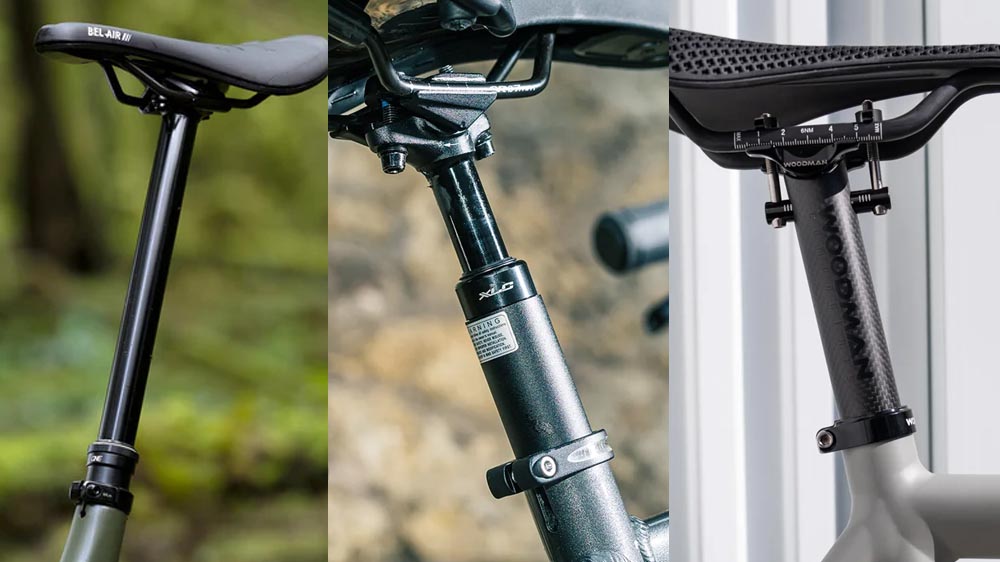
Different types of gravel bike seatpost designs serve different riding styles. The best option depends on whether you prioritize simplicity, comfort, or control.
1. Dropper Post
A dropper post allows you to lower and raise your saddle while riding using a handlebar lever.
Lowering the saddle creates more room to move your body, which improves control on steep descents, loose corners, and technical sections. Raising it returns the saddle to your ideal pedaling height.
Dropper posts are increasingly common on modern gravel bikes, especially for riders who tackle technical routes, bikepacking adventures, or terrain that feels closer to mountain biking.
2. Suspension Seatpost
A suspension seatpost adds a small amount of travel to absorb repeated bumps and vibrations.
This type of gravel bike seatpost is particularly helpful on washboard roads and long endurance rides, where constant chatter can cause significant fatigue. While it adds some weight, the comfort benefit can be substantial for riders spending many hours in the saddle.
3. Carbon Fiber Seatpost
Carbon fiber seatposts have no moving parts, but the material naturally flexes under load.
This controlled flex improves compliance and helps smooth out small vibrations. As a result, carbon is one of the most popular upgrades for gravel bicycles, offering a good balance of comfort, low weight, and simplicity.
How to Choose a Gravel Bike Seatpost?
Choosing a gravel bike seatpost is about more than finding one that fits. The right choice should match your frame, riding style, and comfort priorities.
1. Measure the Diameter
Seatpost diameter is the first specification to confirm. Common sizes include 27.2 mm, 30.9 mm, and 31.6 mm. Your frame requires one exact size, so always check the manufacturer’s specifications before purchasing.
Among these, 27.2 mm is especially popular because the narrower diameter allows slightly more flex, which can improve comfort on rough surfaces.
2. Consider the Material
Material affects ride feel, weight, and durability.
Carbon fiber offers better vibration damping and lower weight, making it ideal for riders focused on comfort and endurance. Aluminum is more affordable and highly durable, though it generally provides a firmer ride.
For many riders, upgrading from aluminum to carbon is one of the simplest ways to improve comfort on a gravel bike.
3. Choose the Right Seatpost Type Based on Terrain
Your riding terrain should guide your decision. For mixed road and light gravel, a rigid carbon seatpost is usually the best all-around choice. For rougher surfaces and long endurance rides, a suspension seatpost can reduce fatigue significantly. For technical descents and aggressive routes, a dropper post offers the greatest improvement in control.
Matching the seatpost type to the terrain often has a greater impact than focusing on weight alone.
4. Check Seatpost Length
Seatpost length affects both fit and safety. The post must be long enough to achieve your correct saddle height while extending beyond the minimum insertion line. At the same time, it must fit within the available insertion depth of the frame.
This becomes especially important when choosing a dropper post, which requires additional internal space.
5. Consider Compliance (Flex)
Compliance refers to how much a seatpost flexes to absorb road vibration. More compliance generally means less fatigue and greater comfort over long distances. Carbon seatposts naturally provide some flex, and certain models are specifically engineered to maximize vertical movement while maintaining pedaling efficiency.
A gravel bike seatpost influences far more than saddle support. It affects comfort, control, and how your bike responds on rough terrain.
By choosing the correct diameter, material, length, and seatpost type, you can tailor your gravel bike to better match your riding style. Whether you prefer the simplicity of carbon, the extra comfort of suspension, or the descending confidence of a dropper, the right seatpost helps every ride feel smoother and more enjoyable.
Read also: