



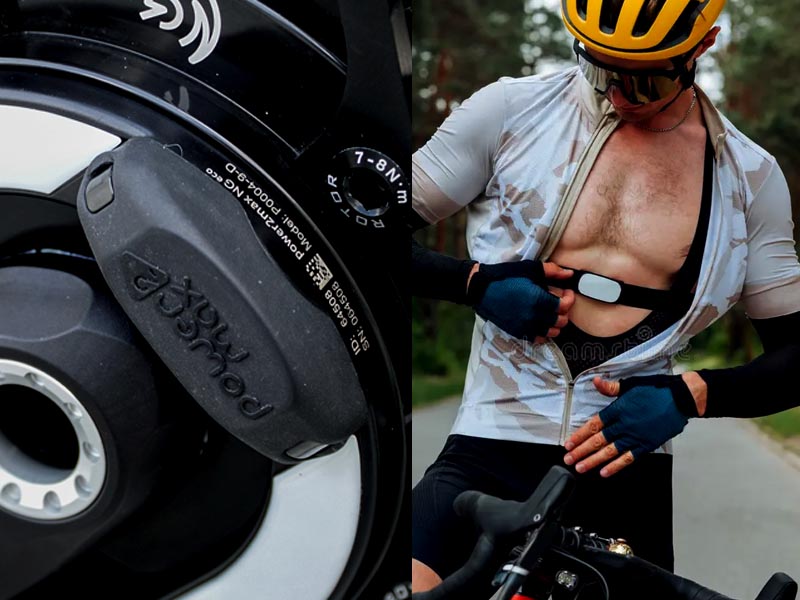
A power meter measures your actual output in watts in real time, making it ideal for precise pacing and structured intervals, while a heart rate monitor tracks your body’s physiological response, helping you understand fatigue and overall effort.
Both tools are valuable for cycling training, but they serve different purposes depending on your goals, budget, and experience level.
What Do They Actually Measure?
A power meter measures mechanical output in watts, the actual force applied to the pedals multiplied by cadence. This number is immediate and objective. Whether it’s hot, humid, or you slept poorly last night, 250W is always 250W.
A heart rate monitor tracks your cardiovascular response to effort. It tells you how hard your body is working to sustain a given output, not the output itself. Heart rate is influenced by heat, hydration, caffeine, fatigue, and even stress, making it a more variable signal.
The Power Meter: Raw, Honest Numbers
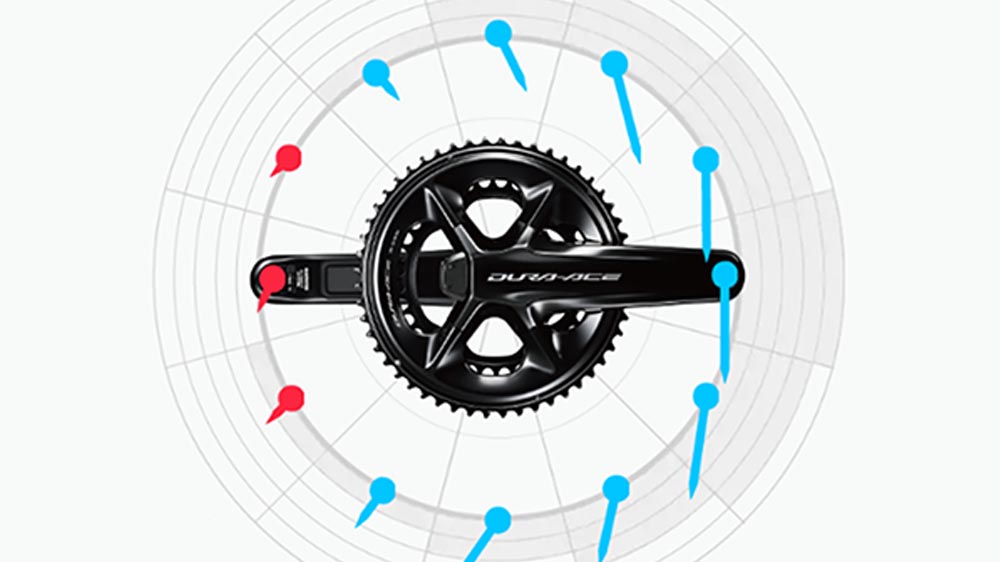
How does it work?
A power meter sits inside your road bike‘s drivetrain, typically in the crank arms, pedals, or bottom bracket, and uses strain gauges to detect force applied during each pedal stroke. The data streams in real-time to your cycling computer in watts.
Where does it shine?
Power meters shine during structured interval training on road cycling. They’re ideal for FTP (Functional Threshold Power) testing, race pacing on road bikes, and analyzing post-ride performance data with precision.
Pros and Cons
Pros: Objective and lag-free data, unaffected by external conditions, essential for scientific training progression, pairs well with platforms like TrainingPeaks or Garmin Connect.
Cons: Higher cost (entry-level units start around $300–$500+), requires calibration, and adds a layer of data complexity that can overwhelm newer cyclists.
The Heart Rate Monitor: Your Body’s Report Card
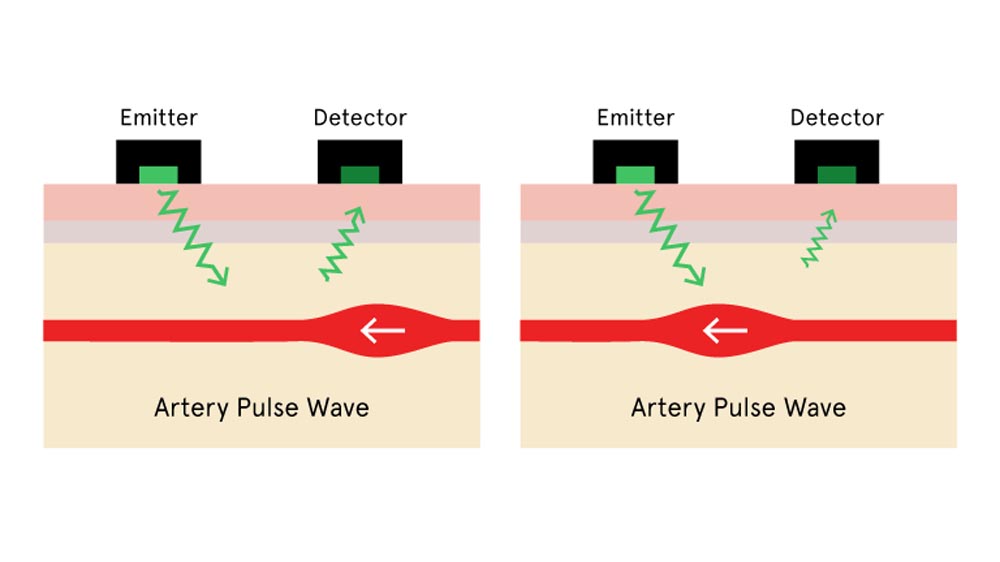
How does it work?
An HRM, whether a chest strap or wrist-based optical sensor, detects your heart’s electrical activity or blood flow and displays beats per minute (BPM). Chest straps remain the gold standard for accuracy in road cycling due to their consistent contact.
Where does it shine?
HRMs are excellent for aerobic base building, recovery ride monitoring, and gauging long-duration effort sustainability. They’re especially useful when learning how your body responds to different intensities.
Pros and Cons
Pros: Affordable (quality chest straps start under $50), easy to use, reflects real physiological fatigue, and pairs with nearly all cycling computers and smartwatches.
Cons: Subject to cardiac drift on long rides, delayed response to effort changes (10–20 second lag), and influenced by non-training variables like heat, dehydration, or poor sleep.
Power Meter vs Heart Rate Monitor: Key Differences in Cycling
When comparing power meter vs heart rate monitor in cycling, the biggest distinction is precision vs perception.
- A power meter tells you exactly how hard you are working right now
- A heart rate monitor tells you how your body is reacting over time
For example, during a short sprint on a road bike:
- Power spikes instantly
- Heart rate takes time to catch up
This makes power meters far more effective for high-intensity training and pacing, especially in road cycling scenarios where consistency matters.
Who Should Use Which?
Performance and Data-Focused Cyclists
If you’re following a structured training plan, preparing for road cycling events, or working with a coach, a power meter is the superior tool. It enables precise zone training, eliminates guesswork in interval sessions, and gives you reproducible benchmarks to track fitness gains over time.
Beginner and Budget-Conscious Riders
If you’re new to road cycling or not yet following a periodized plan, a heart rate monitor is the smarter starting point. It teaches you how your body responds to effort, helps you avoid overtraining, and costs a fraction of a power meter.
Start Smart. Upgrade When It Matters.
Start your structured training with a heart rate monitor to build aerobic awareness and develop consistent habits. Then, when you’re ready to push performance further, level up with a power meter for true data-driven precision.
And if you’re at the point where a power meter road bike makes sense, we have two compelling options worth looking at. The Helios A0 AXS pairs a full SRAM wireless groupset with integrated power measurement. A clean, race-ready setup for riders who want one less thing to think about.
If you prefer Shimano’s electronic shifting, the Helios A9 Di2 Powermeter delivers the same training-focused data with Di2 precision and reliability. Both are built for serious road cycling without the eye-watering price tags of European brands.
You don’t have to choose a training tool forever, you just have to choose the right one for right now. Start with heart rate. When the data isn’t enough anymore, you’ll know it’s time.
Read also: