


If you’ve ridden outside the city lately, whether it’s coastal roads, bush tracks, or rural backroads, you’ve probably seen more gravel bikes than ever before.
In Australia, where terrain changes quickly and unpredictably, gravel bikes just make sense.
Gravel Bike vs The Usual Suspects
Gravel bikes didn’t emerge from nowhere. They’re a direct response to gaps that frustrated riders for years. Here’s how they compare to what most Aussie cyclists already own.
Gravel Bike vs Road Bike
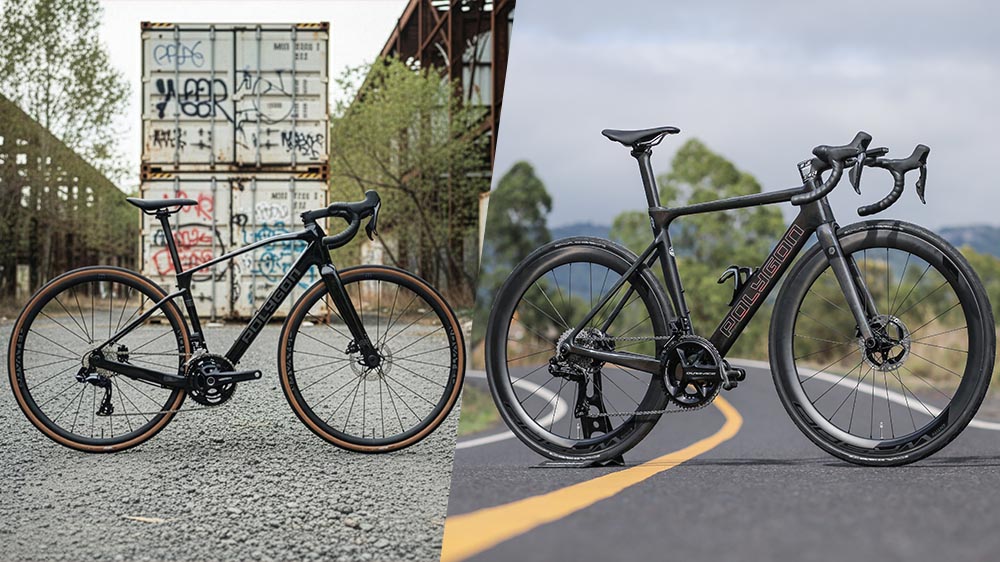
Road bikes are brilliant on fresh tarmac. But outside major Australian cities, pristine smooth roads are a luxury. You’re just as likely to find rough chip-seal, crumbling edges, or the road simply ending in gravel, sometimes without warning.
Gravel bikes keep the drop-bar setup but add proper tire clearance and geometry that’s built for real-world conditions. Suddenly, the back roads of the Barossa Valley, the gravel climbs in the Dandenong Ranges, or a mixed-terrain loop through Kangaroo Island aren’t obstacles, they’re the destination.
Gravel Bike vs Mountain Bike
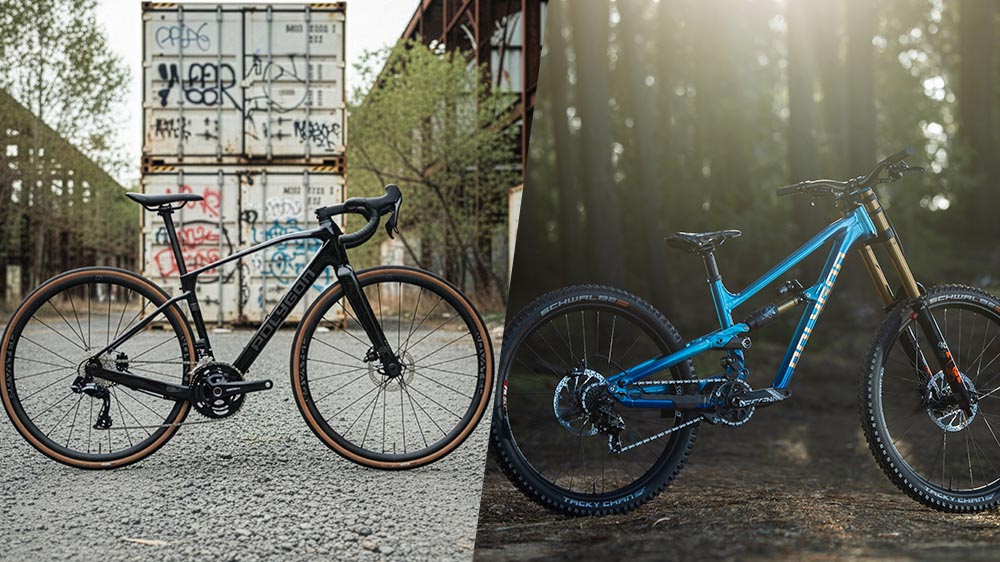
Mountain bikes are made for the trails at Falls Creek or the enduro courses in the Derby region of Tasmania. But a lot of Australian riding, long gravel fire trails, open high plains station tracks, gravel roads through State Forest, doesn’t call for full suspension or aggressive tread.
Gravel bikes roll faster and cover ground more efficiently on hard-packed surfaces. For a day out on the Munda Biddi Trail or the Great Ocean Road hinterland, a gravel bike matches the terrain far better, and doesn’t leave you feeling like you’ve been overloading your setup.
Gravel Bike vs Touring Bike
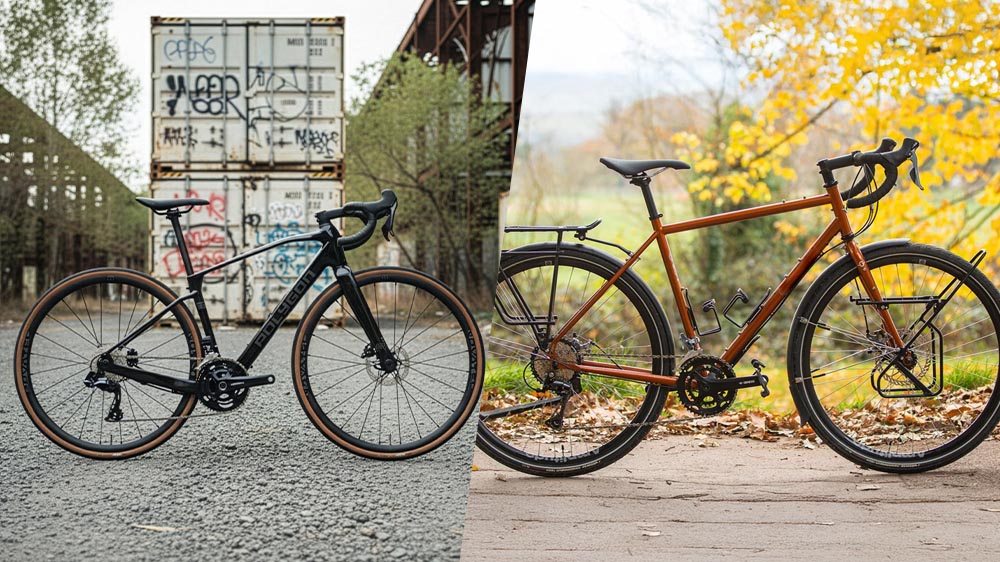
Aussies have always been strong on long-distance touring, whether it’s a coast-to-coast route or a multi-week journey through the interior. Traditional touring bikes are tanks: reliable, heavily loaded, built to go the distance. But for shorter adventures, they can be slow and sluggish.
Gravel bikes thread the needle: enough mounting points for bikepacking bags and light racks, but with the liveliness to actually enjoy the ride. For everything from a self-supported weekend in the Grampians to a loaded loop down the Great Divide, gravel bikes give you more agility without sacrificing capability.
What Makes a Gravel Bike Special?
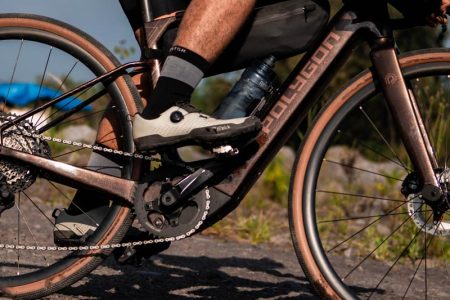
- Tire Clearance and Versatility: Run 32mm slicks for sealed roads, or fit 50mm knobby treads for rougher tracks. That adaptability is perfect for Australian conditions, where a single ride can take you from bitumen to bulldust.
- Geometry Built for Endurance: Slacker angles, a longer wheelbase, and a taller stack height add up to a stable, comfortable ride over big distances, whether you’re descending a loose gravel descent in the Victorian Alps or powering across flat Nullarbor-adjacent roads.
- Gearing for Australian Terrain: Wide-range cassettes handle everything from the steep pinches of the Adelaide Hills to the long flat stretches of the Murray Valley. You’ll have the right gear no matter what the land throws at you.
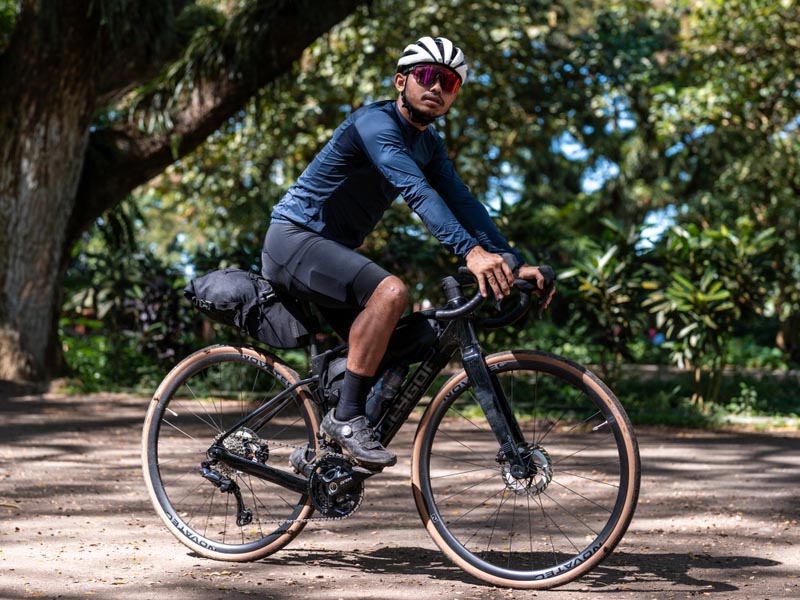
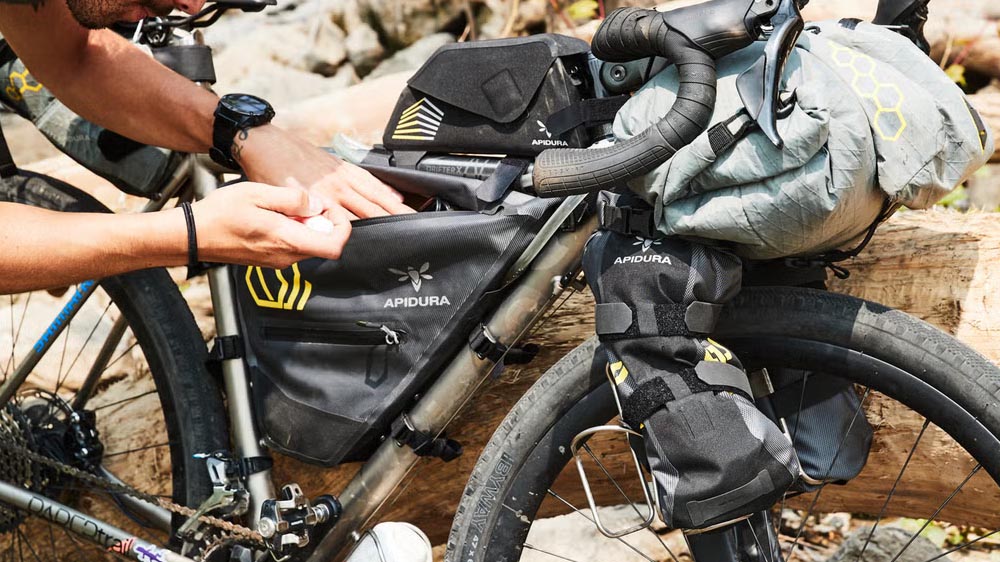
- Mounts for Touring and Bikepacking: Extra attachment points for bags, cages, and racks turn your gravel bike into a fully loaded adventure machi ideal for the growing community of Aussie bikepackers exploring everything from the Mawson Trail to remote station roads.
Why Aussie Riders Are Making the Switch?
Road Riders Done Battling Rough Surfaces
Ask any road cyclist outside a major city, they’ll tell you about the chip-seal stretches that punish your hands, the road edges that crumble away to gravel, the rural routes that turn rough without notice.
Gravel converts stop treating those surfaces as problems and start treating them as part of the ride. Same long distances. Same freedom. Just far more comfortable.
Mountain Bikers Wanting to Cover More Ground
For MTB riders across Australia, getting to quality singletrack often means grinding through long fire trails first. That’s hard work on a heavy, full-suspension machine.
A gravel bike covers those gravel approaches faster and with less effort, so when you finally reach the good stuff, you’ve still got legs left to enjoy it.
Bikepackers Who Want to Travel Lighter
Bikepacking is booming in Australia. Events like the Hell of the North OZ, the Mawson Trail, and dozens of regional routes have lit up the imagination of Aussie riders who want multi-day adventures without the weight of a traditional touring setup.
Gravel bikes offer all the mounts you need, in a package light enough to actually enjoy the journey.
In Australia, a gravel bike fits naturally into the cycling week: the morning hills ride on local backroads, the weekend gravel blast through wine country, and the long-weekend bikepacking loop through the bush. One bike. All of it.
New to gravel? Give “What’s Gravel Biking? Here Are 3 Things You Need to Know” a read before heading out.
Who Shouldn’t Buy a Gravel Bike?
- Racing Roadies: If you’re targeting criteriums, bunch rides on smooth coastal roads, or building towards a road race season, a dedicated road bike still delivers the edge. Gravel bikes are versatile, not surgical.
- Technical Trail Junkies: If your happy place is the steep, rooted descents of the Yarra Ranges or the north shore-style trails of Rotorua on weekend trips, stick with your mountain bike. Gravel frames weren’t designed for that kind of work.
- Hardcore Loaded Tourers: For riders planning full transcontinental routes with 40+ kg of gear, think crossing the Nullarbor fully loaded, the extreme durability and carrying capacity of a purpose-built touring bike may still edge it out. Gravel bikes are capable, but they’re not bombers.
Read also:
Gravel bikes fit perfectly into Australia’s riding environment. They offer the flexibility to handle changing terrain, the comfort for long rides, and the capability for adventure. For many Aussie cyclists, switching to gravel isn’t just a trend, it’s a smarter way to ride.