




A gravel bike doesn’t strictly need disc brakes. But in real-world riding, they’ve become the standard for good reasons. Gravel riding often combines pavement, loose dirt, mud, steep descents, and unpredictable weather in a single ride.
Because conditions can change quickly, many riders prefer braking systems that offer more consistent stopping power, better control, and wider tire compatibility.
That’s exactly why disc brakes are now commonly found on most modern gravel bikes.
Why Are Disc Brakes So Common on Gravel Bikes?
Modern gravel bikes are designed around versatility, and disc brakes support that better than traditional rim brakes in several important ways.
Consistent Braking in All Conditions
One of the biggest advantages of disc brakes is predictable stopping performance. Rain, mud, and dust can reduce the effectiveness of rim brakes because the braking surface sits directly on the wheel rim.
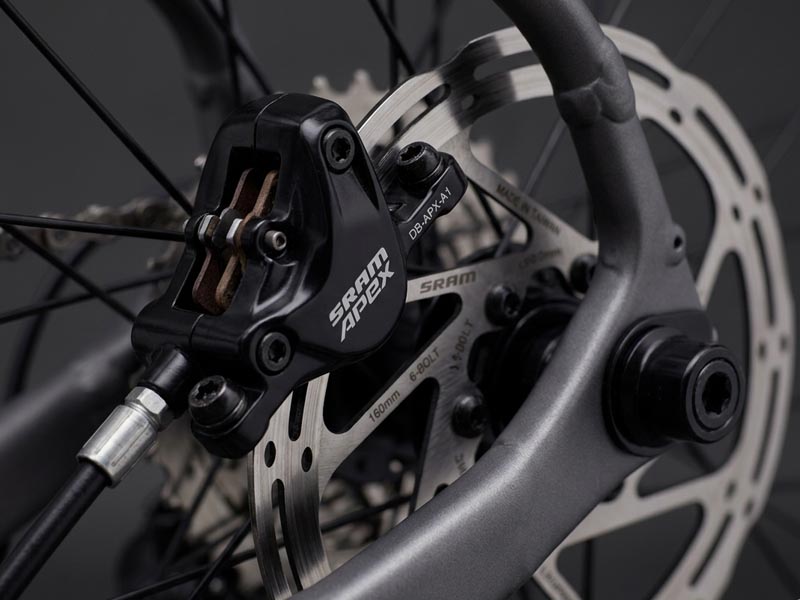
Disc brakes move the braking surface to the rotor near the hub, where it stays cleaner and performs more consistently in changing conditions.
Superior Modulation and Power
Gravel riding often requires careful control rather than sudden stopping power. Loose corners, rough descents, and mixed terrain demand smooth braking input to avoid locking a wheel.
Disc brakes offer better modulation, meaning riders can control braking force more precisely. This improves confidence on technical terrain and long descents.
Protection for the Wheelset
With rim brakes, the wheel rim itself becomes the braking surface. Over time, dirt and grit can wear the rim down, especially during wet rides or bikepacking trips.
Disc systems isolate braking to the rotor, helping protect the wheelset from long-term wear. Even if the wheel becomes slightly out of true after rough riding, the brakes usually continue functioning normally.
Another major reason disc brakes dominate modern gravel bicycle design is tire clearance. Because there is no brake caliper sitting around the rim, frame designers can create wider clearances for larger gravel tires, typically between 35 mm and 50 mm. This allows riders to use wider tires for comfort, traction, and stability without brake limitations.
Mechanical vs. Hydraulic Disc Brakes
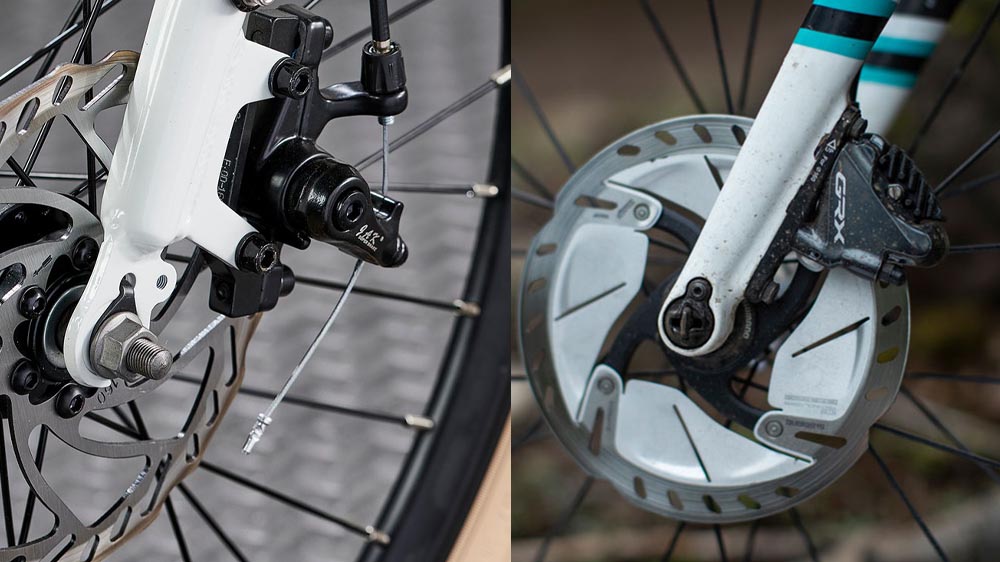
If you decide to use disc brakes on your gravel bike, the next choice is between mechanical and hydraulic systems.
| Feature | Mechanical Disc Brakes | Hydraulic Disc Brakes |
| Lever Feel | Slightly heavier due to cable friction | Smoother and lighter feel |
| Braking Power | Good overall power | Stronger and more consistent |
| Maintenance | Easier trailside adjustment | Requires occasional brake bleeding |
| Pad Wear | Manual adjustment needed | Self-adjusting as pads wear |
Mechanical systems are often preferred for their simplicity and ease of maintenance, especially for touring or budget-focused builds.
Hydraulic systems deliver better braking feel and control, making them more common on performance-oriented and premium best gravel bikes today.
Can You Still Use Rim Brakes on a Gravel Bike?
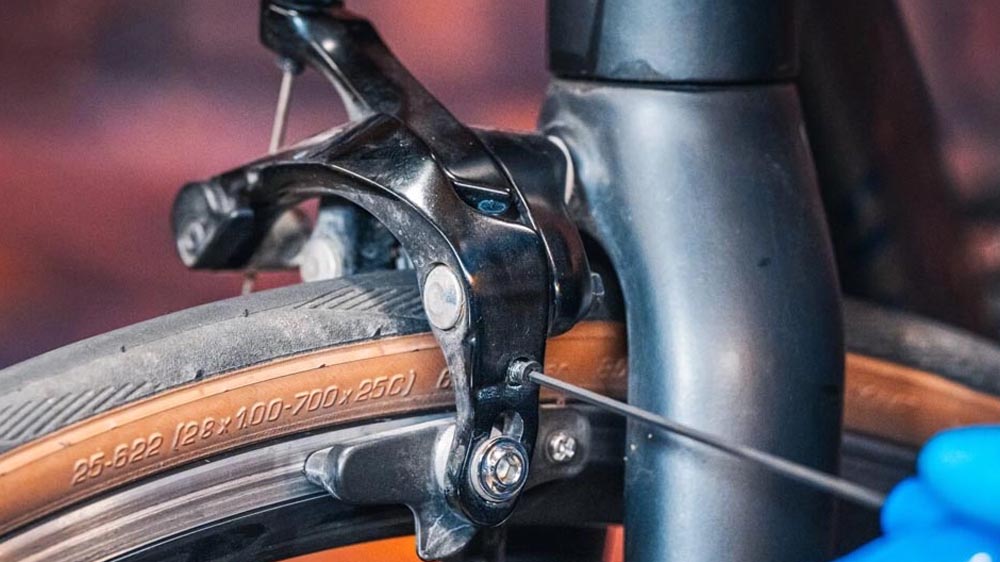
Yes, you absolutely can.
Rim brake gravel setups still work well for riders who mainly ride smooth gravel roads, dry terrain, or mixed pavement routes. They are generally lighter, mechanically simpler, and easier to maintain.
However, rim brakes begin to show limitations once conditions become rougher or wetter. Long descents can generate more heat on the rim, braking performance drops more noticeably in rain or mud, and tire clearance is usually more limited compared to disc-equipped frames.
For light gravel riding and casual mixed-surface rides, rim brakes can still be perfectly functional. Many older gravel-style bikes and cyclocross bikes continue to use them successfully.
Read also:
So, Do You Need Disc Brakes?
The answer depends on how you use your gravel bike. For casual gravel riding, dry-weather routes, and lighter mixed-terrain use, rim brakes can still do the job.
But for all-weather riding, technical gravel, bikepacking, steep descents, or modern wide-tire setups, disc brakes offer clear advantages in control, consistency, and versatility. That’s why most modern best gravel bikes now use disc brakes as standard equipment rather than a premium upgrade.
In the end, disc brakes are less about following trends and more about matching the realities of modern gravel riding. They simply allow gravel bikes to handle a wider range of terrain and riding conditions with more confidence and control.