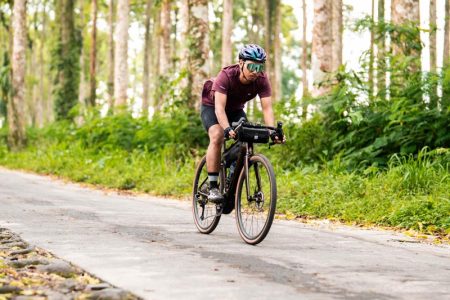



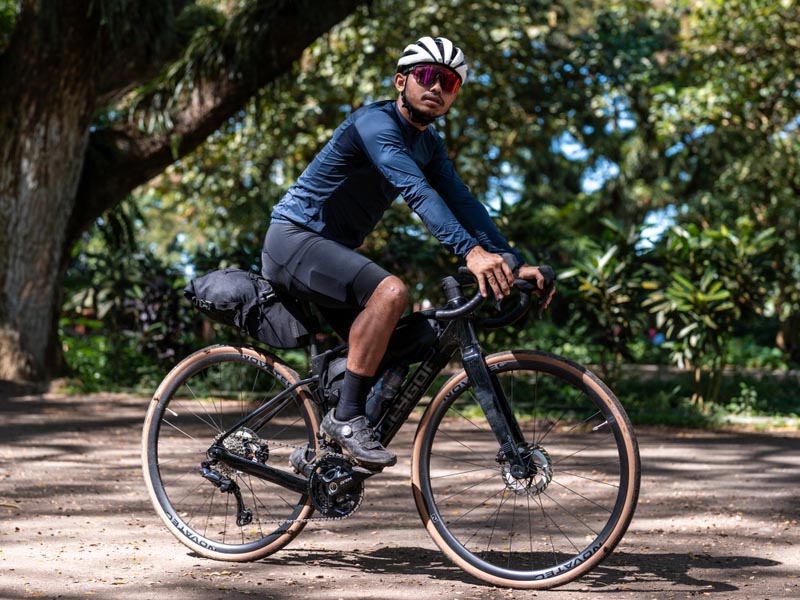
Pull up to any trailhead in the Midwest on a Saturday morning, ride the back roads of rural Vermont, or roll down a fire road in the Colorado high country, and you’ll spot the same thing popping up everywhere: bikes that look like road bikes but ride like they were made for the real world.
Welcome to the gravel revolution. These are gravel bikes, and they’ve become the fastest-growing category in American cycling. But this isn’t just hype. There are real reasons riders are trading in their old setups and real terrain across this country that makes the case better than any ad ever could.
Gravel Bike vs The Usual Suspects
Gravel bikes aren’t a random invention. They evolved from real frustrations that American riders had with traditional bike categories. Here’s how they compare.
Gravel Bike vs Road Bike
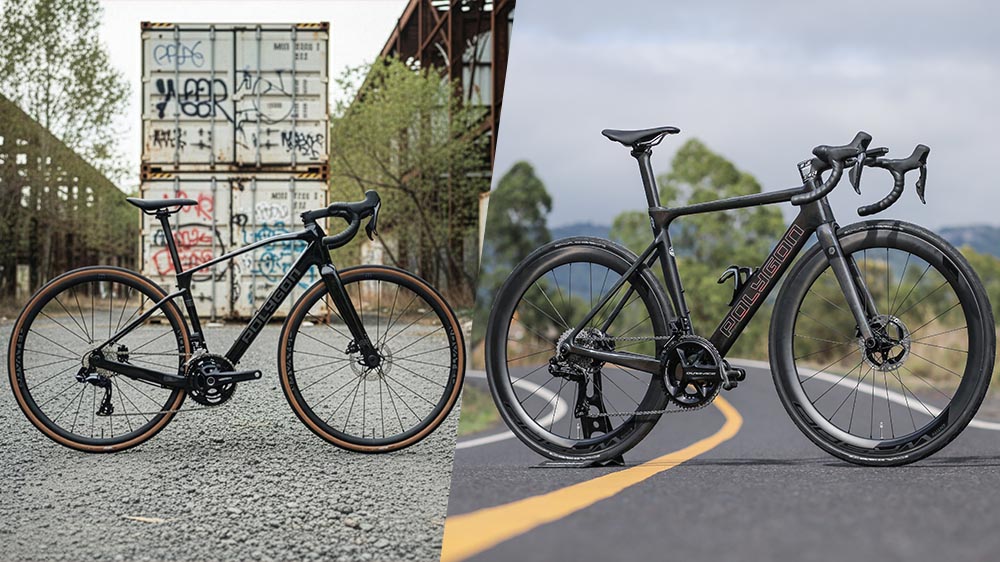
Road bikes thrive on smooth pavement. But across America, smooth pavement is often the exception. Whether it’s crumbling rural routes in the South, potholed city streets, or the chip-seal roads that connect small Midwestern towns, road bikes can feel fragile and punishing.
Gravel bikes keep the familiar drop-bar feel but add wide tire clearance, more relaxed geometry, and real durability. Suddenly, those roads you used to avoid become the ride itself. The potholed county roads of Kansas, the gravel byways of Iowa, those are gravel bike territory now.
Gravel Bike vs Mountain Bike
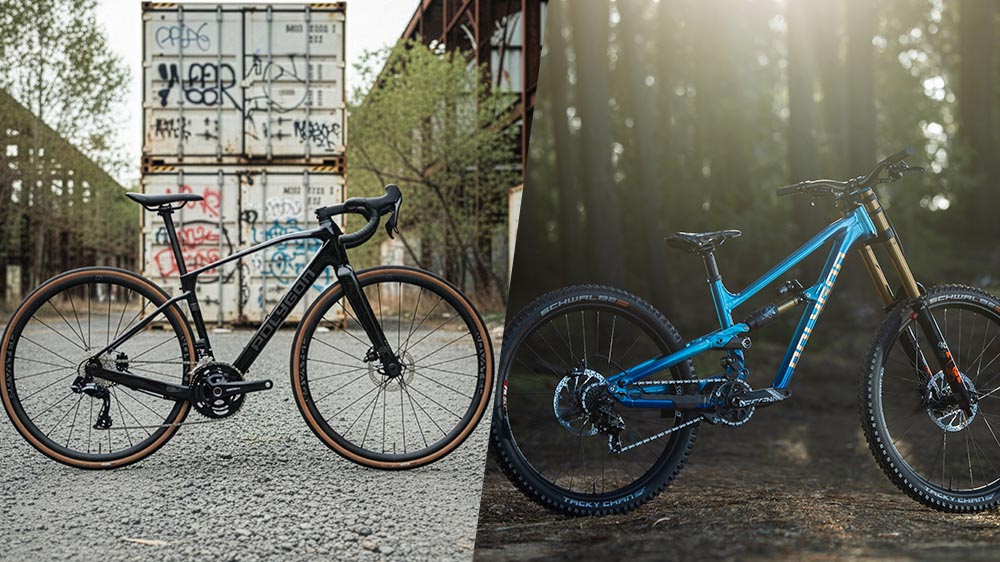
Mountain bikes are built for the kind of terrain found in Moab or the North Shore of Vancouver. But much of American riding, gravel forest service roads in the Ozarks, two-tracks through National Forest land, the flatter sections of the Colorado Trail, doesn’t demand full suspension or heavy treads.
Gravel bikes are lighter, faster on hard-packed surfaces, and purpose-built for mixed terrain. When the route is 70% gravel road and 30% light trail, a gravel bike makes far more sense than hauling an MTB the whole way.
Gravel Bike vs Touring Bike
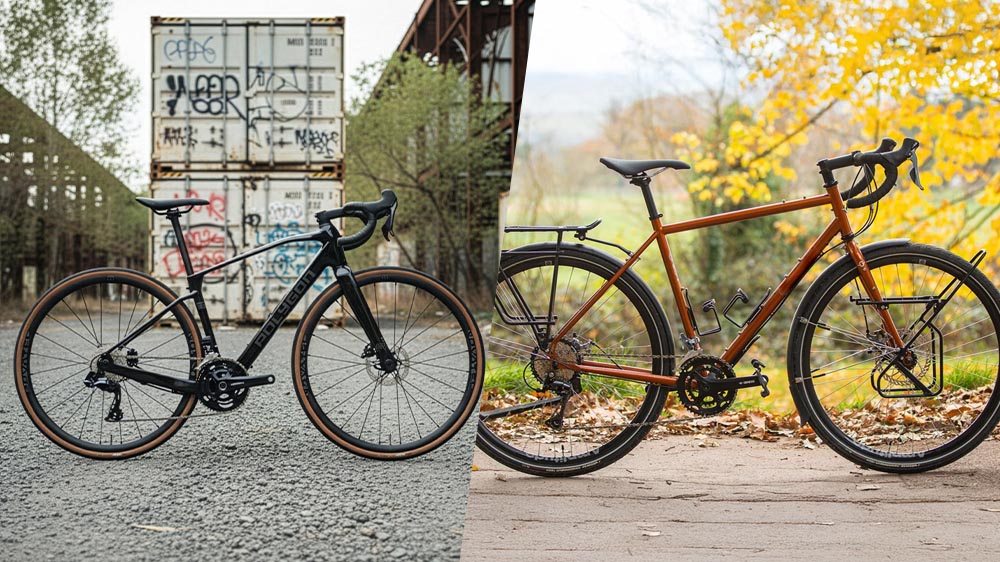
Classic touring bikes have a devoted following in the US, especially among riders tackling routes like the TransAmerica Trail or the Great Divide Mountain Bike Route.
But for shorter adventures, a weekend bikepacking loop through the Blue Ridge or a loaded day-tripper on gravel rail-trails, the bulk and slow handling of a traditional tourer can feel like overkill.
Gravel bikes offer the mounting hardware you need without the weight penalty. They’re lighter, more nimble, and better suited to the surge of bikepacking culture that’s taken hold across the country.
Why American Riders Are Making the Switch?
Endurance Road Riders Done Fighting Bad Pavement
Road cyclists in America know the struggle: a perfect route that’s half chip-seal and half crumbling asphalt. Instead of rerouting around the rough stuff, gravel converts embrace it.
The same training miles, the same long-distance freedom, just without the white-knuckle moments every time the road deteriorates.
Mountain Bikers Looking for More Miles
For mountain bikers in places like Colorado, Utah, or the Pacific Northwest, getting to the good singletrack often means grinding through miles of gravel access roads.
An MTB can handle it, but it’s heavy and slow on that kind of terrain. A gravel bike covers those miles faster, saving your legs for the trails that actually matter.
Bikepackers Who Want a Lighter Kit
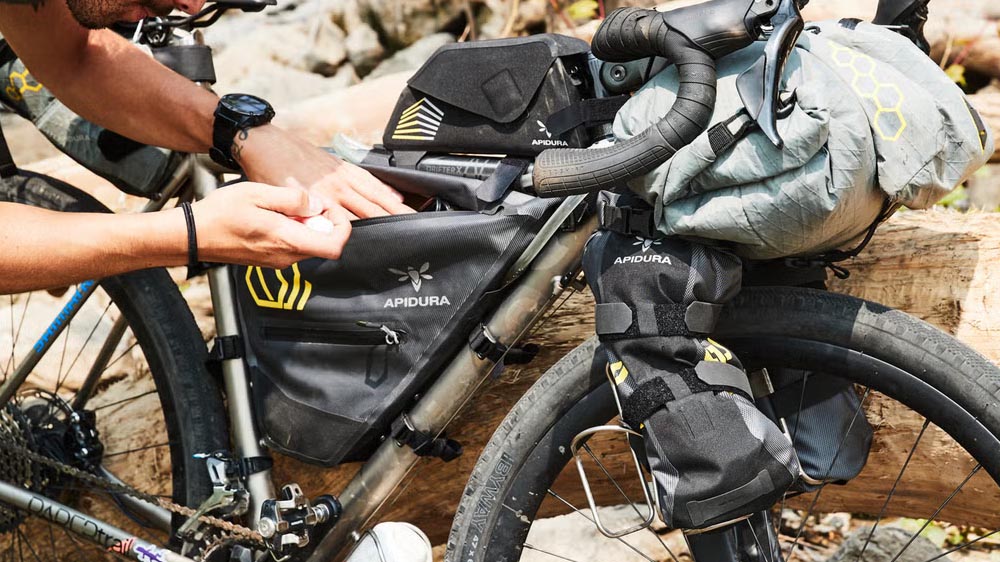
The bikepacking scene has exploded in the US, think Dirty Kanza, the Smoke ‘n’ Fire 400, or any number of route maps lighting up Komoot on a Friday afternoon.
Riders planning multi-day self-supported adventures want mounts for bags without the weight of a traditional touring rig. Gravel bikes thread that needle perfectly.
A gravel bike fits the American cycling lifestyle naturally: the morning coffee shop ride, the Saturday backroad loop, and the long weekend bikepacking trip across state forest land. It’s one bike that genuinely does all of it.
New to gravel? Start with “What’s Gravel Biking? Here Are 3 Things You Need to Know” before you hit the dirt.
Why Riders Are Switching?
Road Cyclists Expanding Their Route
Instead of limiting rides to perfect pavement, many riders are exploring backroads and rural routes they used to avoid.
MTB Riders Covering More Ground
Gravel bikes make it easier to handle long-distance rides that include both dirt roads and light trails.
Adventure Seekers Embracing Bikepacking
With growing interest in bikepacking across the U.S., gravel bikes offer the ideal mix of speed and carrying capacity.
When Gravel Bikes Might Not Be the Best Fit?
- Dedicated road racers still benefit from lightweight road bikes
- Technical trail riders will prefer full-suspension MTBs
- Long-distance touring purists may still choose traditional touring rigs
In the U.S., gravel bikes aren’t just trending, they’re redefining how people ride. With access to such diverse terrain, American cyclists are choosing bikes that don’t limit where they can go. For many, gravel bikes aren’t a second bike, they’re becoming the only bike they need.
Read also: