


Road cycling has been around long enough to accumulate a lot of “everyone knows” wisdom, the kind passed down in group rides, repeated in changing rooms, and baked into beginner advice articles for decades. Some of it is solid. A lot of it isn’t.
The problem isn’t that riders don’t care about the truth. It’s that cycling myths often contain just enough logic to sound convincing, until the data shows up and quietly dismantles them. Like stubborn punctures, these myths keep returning no matter how often they’re debunked.
Here are the biggest ones still circulating in 2026, and what the science actually says.
Myth 1: Narrow Tires at High Pressure Are Always Faster
The myth: Skinny tires, maximum pressure, maximum speed.
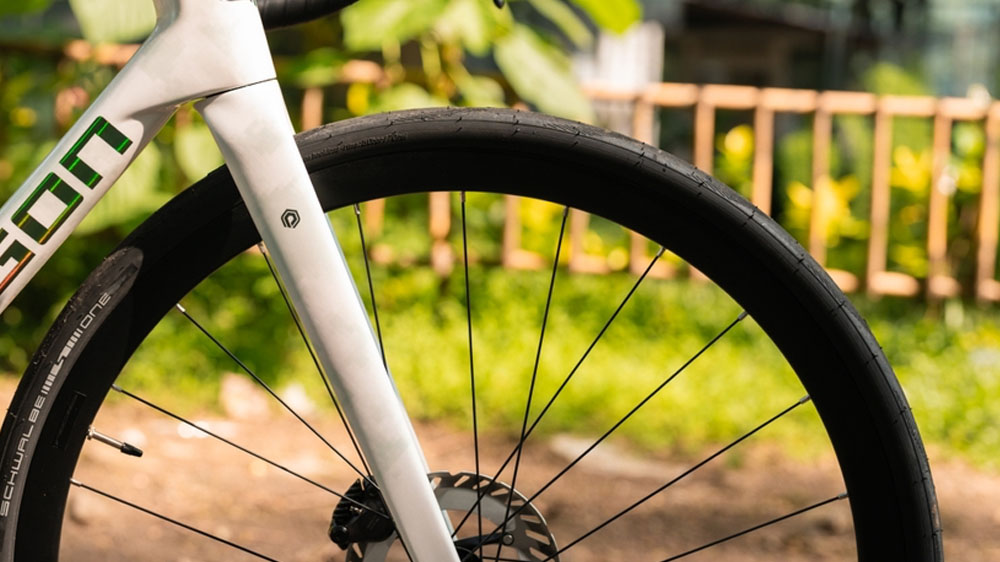
The reality: This logic only holds on a perfectly smooth, controlled surface, which almost no real road is. If you were riding on a mirror-flat surface, then yes, higher tire pressure would likely reduce rolling resistance. However, in the real world, a tire that deforms to rough surfaces is more efficient than one that bounces on top of them.
Wider tires can actually roll faster and more comfortably on real-world road conditions where surface imperfections matter, and the aerodynamic penalty of wider tires is usually minimal compared to their benefits in grip and comfort.
What actually matters: Match your tire width to your rim, run tubeless where possible, and dial in pressure based on your road surface and rider weight — not the highest number your pump can hit.
Myth 2: A Lighter Bike Is Always a Faster Bike
The myth: Every gram saved equals free speed. Riders have spent fortunes chasing sub-7kg builds on the premise that lighter equals quicker — always.
The reality: Weight matters, but only in specific conditions. While lightweight road bikes save time on hills, aerodynamics has proven to be significantly more important — yet bike designers and pro riders largely forgot it until about a decade ago.
In short:
- A lighter road bike helps uphill.
- A more aerodynamic bike helps everywhere else.
What actually matters: Weight savings pay off most on sustained climbs. On anything flat or mixed-terrain, aerodynamics — your position, your wheels, your clothing — will almost always return a bigger performance dividend than shaving grams from your frame.
Myth 3: Aero only matters at high speed
The myth: A common misconception is that aerodynamics only becomes relevant at high speeds, like 35 km/h and above.
The reality: In reality, aerodynamic drag is the dominant resistance force for road cyclists even at moderate speeds. Research used in modern cycling performance modeling shows that aero efficiency matters from everyday endurance rides all the way to elite racing.
That means:
- Your riding position matters
- Your helmet matters
- Your clothing matters
- Your frame design matters
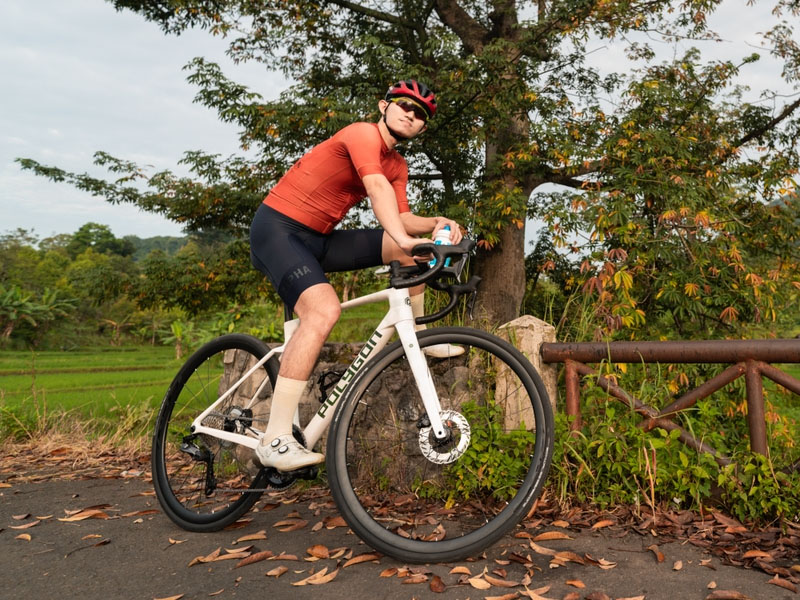
This is why Polygon integrates water-drop frame shaping even on endurance-focused road bikes like the Helios A series, not just on race platforms.
Myth 4: Longer Cranks Mean More Power
The myth: Taller rider, longer cranks. More leverage, more power. It seems intuitive — and for a long time, it went largely unquestioned.
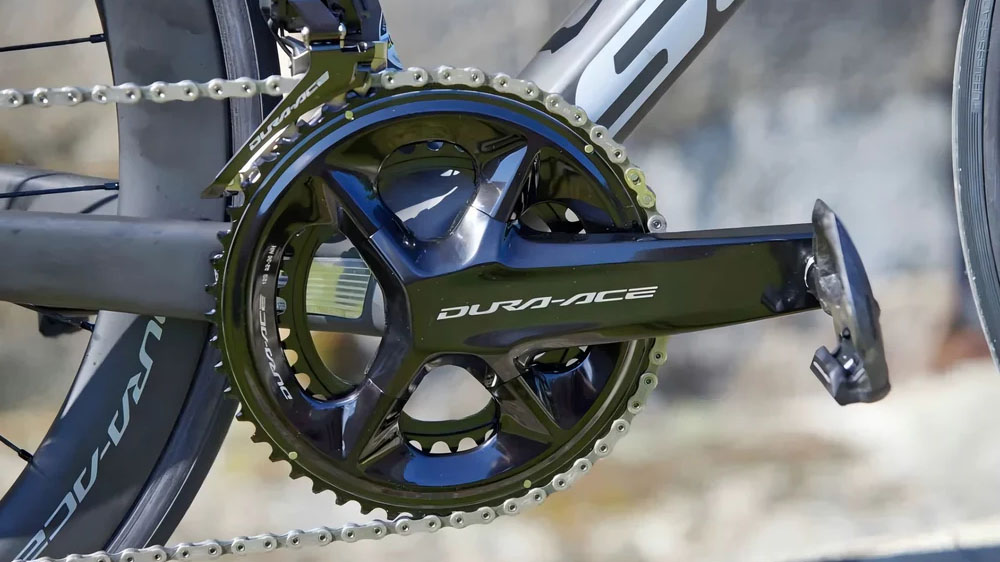
The reality: Crank length has a far smaller effect on power output than most riders assume. It’s a common misconception that shorter cranks produce less power — while they do produce less torque, your cadence tends to increase as your feet travel a shorter distance per pedal revolution, and since power is torque multiplied by cadence, shorter cranks can produce equivalent power output through higher cadence.
What actually matters: Shorter cranks can reduce hip angle at the top of the pedal stroke, improving comfort and reducing injury risk, particularly for riders with hip flexibility limitations. That, more than power output, is increasingly why riders are making the switch.
Myth 5: You need long rides to get faster
The myth: Many cyclists believe longer rides automatically equal better fitness.
The reality: Long rides do build endurance, but performance improvement depends on training structure, not just duration.
Modern cycling training emphasizes:
- Interval-based efforts (VO₂ max, threshold training)
- Recovery optimization
- Structured intensity balance
Too many long, low-intensity rides without progression can actually limit performance gains. Smarter training beats longer training.
Myth 6: Storing Your Road Bike in the Smallest Gear Protects the Drivetrain
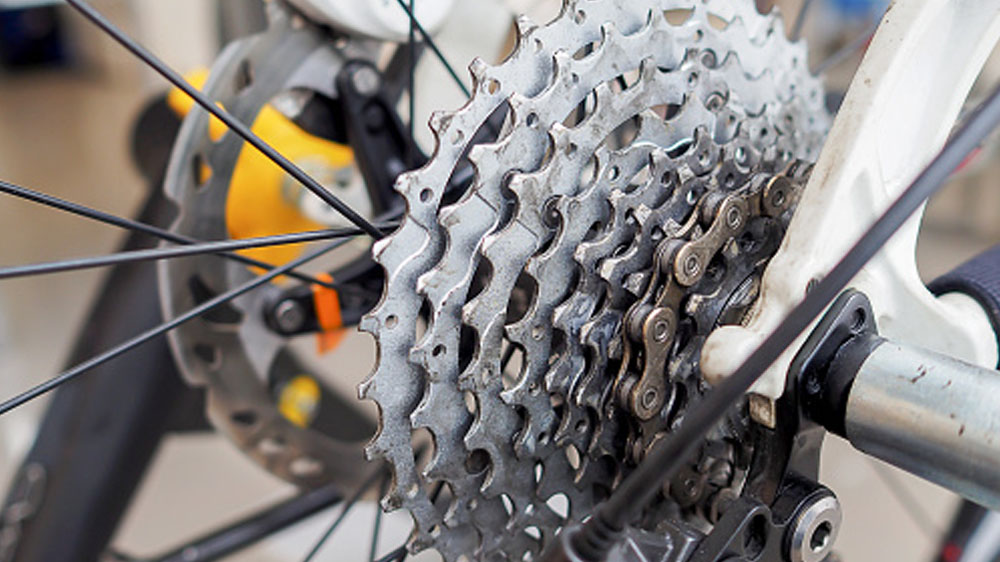
The myth: Always store your road bike in the smallest rear cog to reduce tension on the derailleur spring, extending its lifespan.
The reality: This myth is perhaps as old as the derailleur itself, but leaving your road bike in the smallest cog makes setting off again a more difficult experience, and there is no meaningful evidence that it extends the life of the spring in any practical sense.
Modern derailleur springs are designed to handle constant tension across their intended gear range. The position you store the bike in matters far less than consistent cleaning, lubrication, and cable tension maintenance.
What actually matters: Leave the road bike in a gear that makes sense for where you’ll be setting off from — a moderate cog in the middle of the cassette is a sensible default. Focus your drivetrain care on regular cleaning and timely cable or housing replacement.
Myth 7: You Need an Expensive Road Bike to Ride Fast
The myth: Speed is something you buy. The more you spend, the faster you go — and beginners should hold off until they can afford “a proper bike.”
The reality: The rider is the engine. While high-end road bikes are genuinely impressive, you can absolutely start with a basic, reliable bike and upgrade gradually as your interest and skills grow — and the most impactful “upgrade” available to most riders is not a new frame but a better bike fit.
What actually matters: Invest first in fit, then in tires (tubeless makes an outsized real-world difference), then in wheels if budget allows. Save the frame upgrade for when you’ve genuinely outgrown what your current bike can do.
The Reality: Modern Cycling Is Data-Driven, Not Myth-Driven
The biggest shift in cycling today is not just technology, it’s mindset.
Modern riders increasingly rely on:
- Performance data
- Aerodynamic testing
- Real-world rolling resistance studies
- Professional athlete feedback
As part of the Polygon ecosystem, our development process is continuously validated through real racing conditions, not outdated assumptions.
Read also: