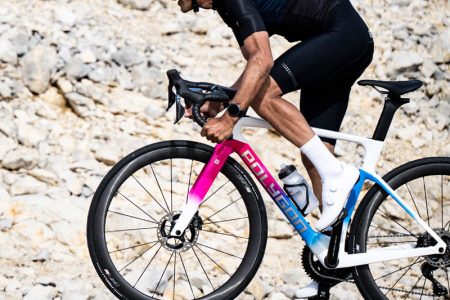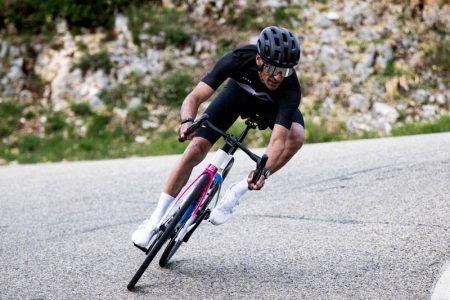



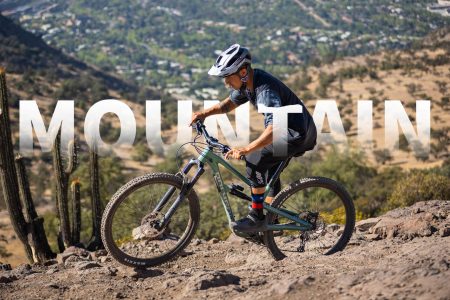

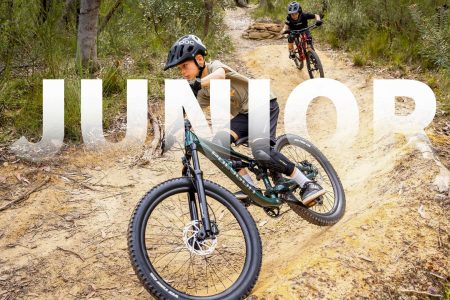
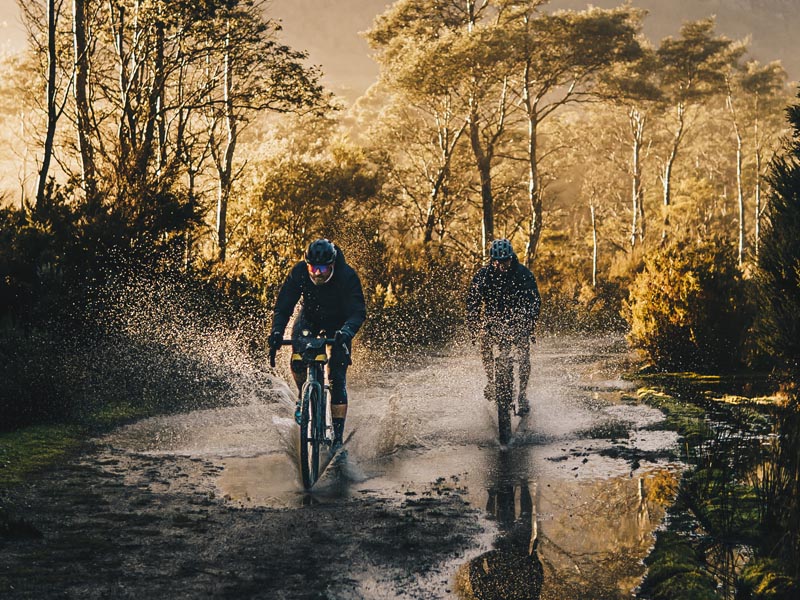
Yes, you absolutely can ride a gravel bike on singletrack, but the experience depends heavily on trail difficulty and how the bike is set up. On smoother trails, a gravel bicycle can feel surprisingly capable and even more engaging because it demands more precision than an Mountain biking setup.
But once the terrain becomes rougher, the differences between gravel bikes and MTB geometry quickly become more noticeable.
Where Gravel Bikes Work Well on Singletrack?
A gravel bike works best on mellow to moderate singletrack where speed and flow matter more than obstacle absorption. Hard-packed dirt, smooth corners, and cross-country style trails are usually the most suitable because the surface stays predictable and the bike can maintain momentum efficiently.
This is why many riders enjoy gravel bikes on easier forest trails or green-rated MTB routes. The lighter frame and faster rolling tires make the bike feel lively, especially when the route also includes paved roads or gravel sectors before reaching the trail.
Typical singletrack where gravel bikes perform well includes:
- Hard-packed dirt trails
- Smooth-flowing forest loops
- Dry trails with small roots
- Light rocky sections without repeated impacts
- XC-style tracks without jumps or drops
On this kind of terrain, a gravel bike often feels fast and responsive. Some riders even prefer it because it turns a relatively easy trail into something more technical and rewarding.
This riding style is often described as under-biking; using a bike with fewer off-road advantages so the trail feels more demanding and requires more rider input.
How to Make a Gravel Bike Work Better on Singletrack?
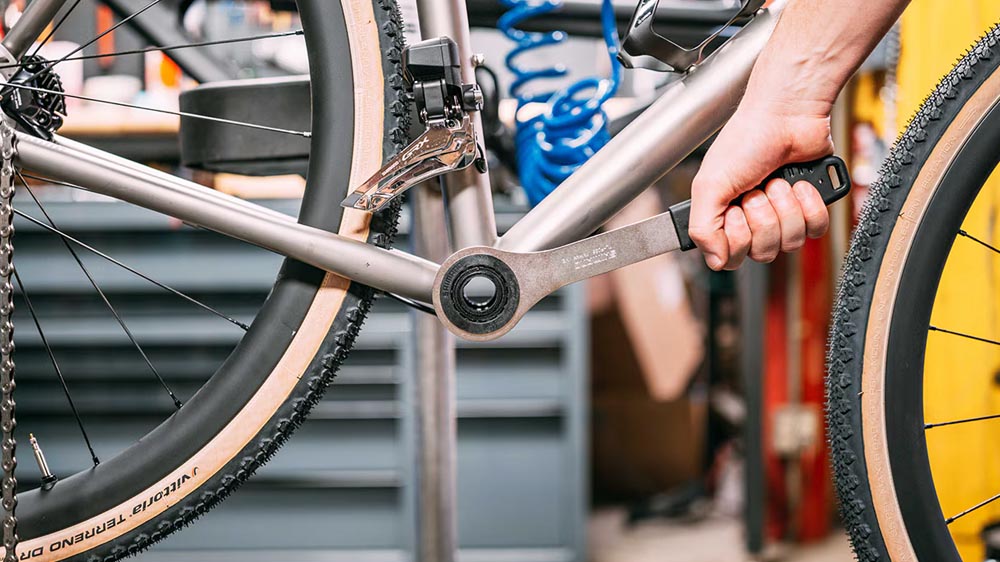 A few setup changes can significantly improve trail confidence.
1. Run Wider Tires
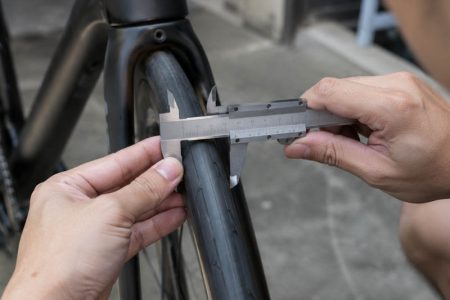
Tire width is the first upgrade that matters. A gravel bike fitted with wider tires immediately feels more stable off-road. For singletrack use, many riders prefer 30–50 mm tires, depending on frame clearance. The closer you get to 45–50 mm, the more comfort and grip you gain.
Wider tires help by:
- Increasing contact with the ground
- Absorbing small impacts
- Improving traction in corners
Aggressive tread patterns also help when trails include loose dirt or wet roots.
2. Lower Tire Pressure for Grip
Lower tire pressure improves traction more than many riders expect. A slightly softer setup allows the tire to conform to uneven ground rather than bouncing off it. Tubeless systems are especially useful because they let riders lower pressure safely without pinch-flat risk.
On singletrack, lower pressure improves climbing traction, braking grip, and comfort over roots and stones. Even small adjustments can make the bike feel calmer.
3. Use Flared Drop Bars for Control
Flared drop bars are now common on modern gravel bikes because they improve handling off-road. The wider lower position creates better leverage when descending and stabilizes steering on rough surfaces. This matters when the trail becomes uneven because a narrow road-style bar can feel nervous quickly.
4. Pick the Right Line
Line choice matters far more on a gravel bike than on an MTB. A mountain bike can often roll directly over rough features thanks to suspension and larger tires. A gravel bike rewards smoother decisions and cleaner path selection.
Instead of aiming straight through roots or rocks, riders need to search for the least disruptive line. This skill often determines whether singletrack feels enjoyable or exhausting.
When Does It Make More Sense to Switch to an MTB?
There is a clear point where an MTB becomes the better tool. If the trail includes repeated technical descents, deep loose corners, large roots, or rock gardens, a mountain bike delivers more control and far less fatigue.
An MTB offers:
- Suspension for impact absorption
- Wider tires for grip
- Lower gearing for steep climbs
- Flat bars for stronger steering control
Trying to force a gravel bike into highly technical terrain often becomes slower, more tiring, and less fun. For long rides that mix roads, gravel sectors, and occasional singletrack, gravel remains ideal. But for trails designed around technical progression, MTB is still the better choice.
A gravel bike is at its best when the route constantly changes. Fire roads, smooth singletrack, and mixed terrain are where it shines most.
The bike does not replace an MTB, but it expands where one bike can comfortably go. For riders who enjoy versatility, that balance is exactly what makes gravel riding appealing today.
Read also: