









Keeping your bike rust-free isn’t complicated, but it does require consistency. The best approach depends on your climate: in 4-season countries, road salt, snow, and slush are the main culprits, while in 2-season tropical regions, humidity and rain are the primary threats.
Knowing these differences allows you to take targeted measures, so your bicycle stays in top condition year-round, no matter where you ride.
4-Season Countries: Winter Brings Salt and Slush
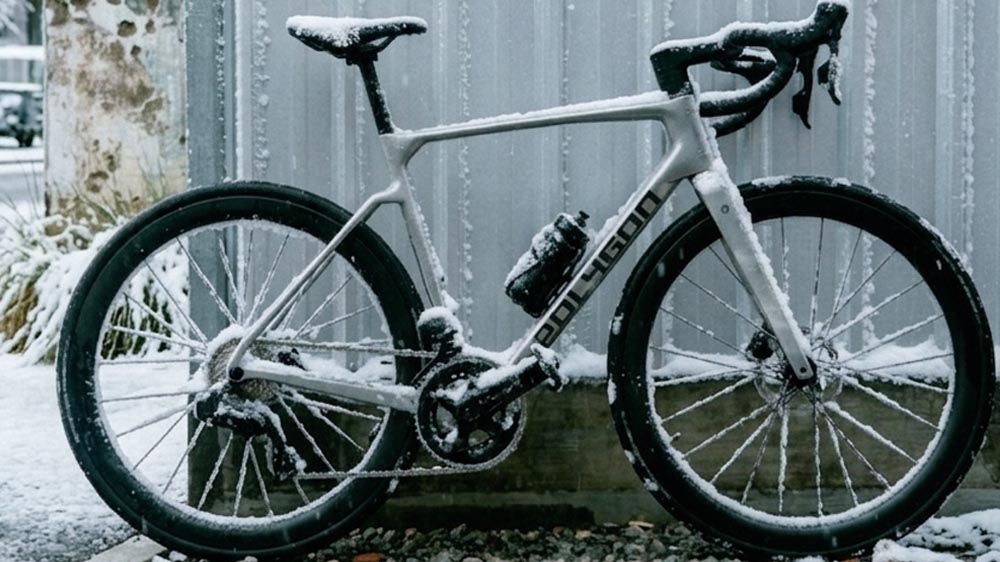 In regions with cold winters, such as the US, Canada, and much of Europe, the biggest threat to your bike is corrosive road salt, snow, and slush. These elements attack metal components quickly, especially the drivetrain, bolts, and exposed frame parts. To keep your bicycle safe during winter, focus on these key steps:
1. Rinse Immediately After Winter Rides
Salt can begin corroding metal within hours. Rinse your bike with low-pressure water after every ride, focusing on the drivetrain, brakes, and underside of the frame. This simple routine prevents salt buildup and significantly extends the lifespan of your components.
2. Use Winter-specific Lubrication
Heavy wet lube is ideal for cold and wet conditions. Apply it to the chain, derailleur, and other moving parts after rinsing and drying. Reapply frequently, as winter conditions can wash away lubrication faster than usual. A well-lubricated bike ensures smoother gear shifts and prevents rust from forming on the chain and cassette.
3. Apply Protective Coatings
Before the winter season, use frame wax or a protectant spray to shield the frame. Spray anti-corrosion products on bolts, metal parts, and cable ends. Some cyclists even keep a dedicated “winter bike” to protect their main bicycle, reducing exposure to harsh winter conditions.
4. Use a Breathable Cover
While storing your bike, a breathable cover is essential. It prevents snow, slush, and moisture from settling on the frame while allowing airflow to avoid condensation, which can otherwise accelerate rust formation.
2-Season Countries: Humidity and Rain Are the Real Enemies
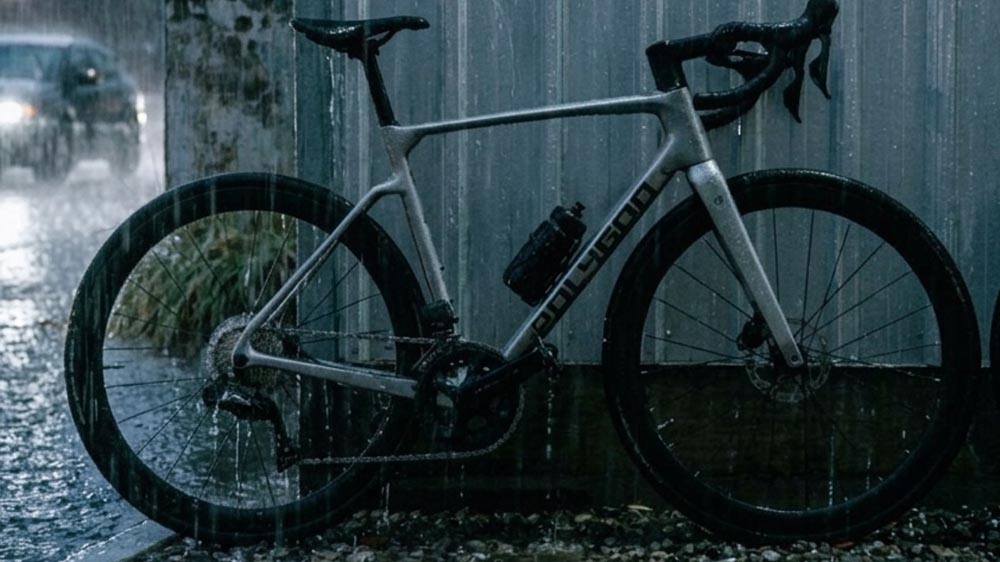 In tropical regions like Indonesia or Malaysia, the main threat to your bike is humidity and rain. Salt isn’t a concern, but moisture can quietly corrode your bicycle over time. The key preventive steps are:
1. Avoid Excessive Covering
Covering your bike too much can trap moisture and encourage rust, especially in humid climates. Use light, breathable covers if necessary, but never seal them completely.
2. Drying is Your #1 Defense
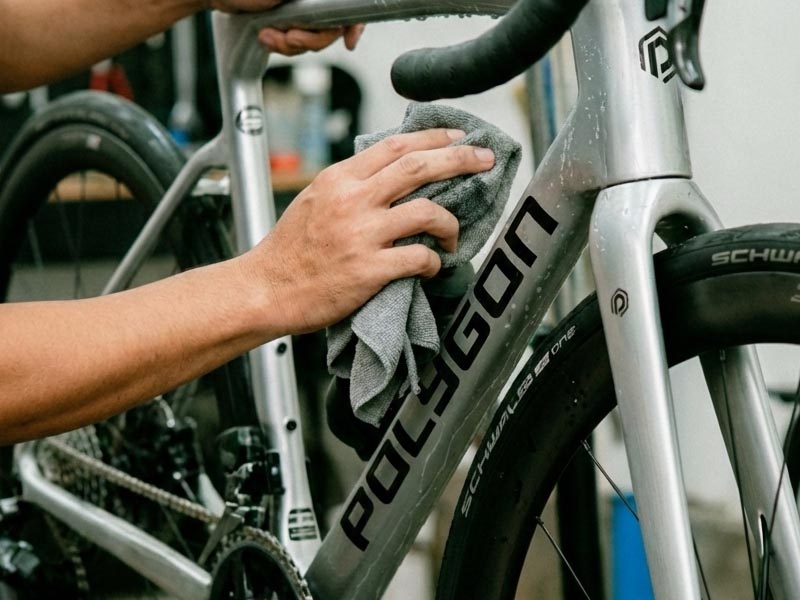
After wet rides, wipe down the frame, chain, bolts, and drivetrain thoroughly. Hidden areas such as the bottom bracket or seatpost are especially vulnerable. Quick drying prevents rust from forming in places you might overlook.
3. Keep Drivetrain Lubricated
Use wet lube during the rainy season. Apply after cleaning and drying, then wipe off excess to prevent dirt buildup. A well-lubricated chain and gears resist moisture better and reduce friction, keeping your bike performing smoothly.
4. Anti-rust Protection for Metal Parts
Apply light oil or anti-corrosion sprays to bolts, derailleurs, and cable ends. These small but crucial measures protect vulnerable components from humidity-induced rust.
Storage Tips
Proper storage is one of the easiest ways to protect your bike from rust. Keep your bicycle indoors whenever possible, ideally in a dry area with a stable temperature. Avoid leaving it outside overnight, even under a cover, as humidity and dew can accelerate corrosion.
In humid indoor spaces, use silica gel packs or a small dehumidifier to reduce moisture. Storing your bike smartly helps maintain its performance and prolongs the lifespan of metal components.
Quick Comparison: 2-Season vs 4-Season Bike Care
| Factor | 2-Season (Tropical) | 4-Season (Winter) |
| Main Threat | Humidity & rain | Salt & snow |
| Priority | Drying | Rinsing salt |
| Lube Type | Wet lube | Heavy wet/winter lube |
| Storage | Indoor, dry | Avoid condensation |
| Maintenance Frequency | Moderate | High (especially winter) |
Protecting your bike from rust is largely about controlling moisture, salt, and exposure. While strategies differ between 2-season and 4-season regions, consistent maintenance, proper lubrication, and smart storage make a huge difference.
Drying, lubricating, and applying protective coatings regularly ensures your bicycle stays in top condition. Even small, routine care goes a long way, allowing your bike to remain rust-free, perform optimally, and look like new for years of riding enjoyment.
Read also: