










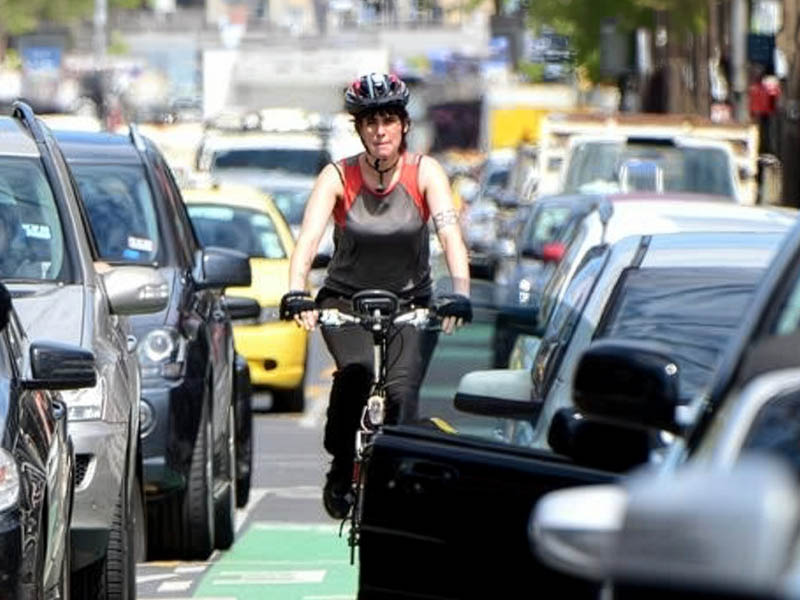
For decades, modern cities have tried to ease traffic congestion by expanding road lanes, building flyovers, and encouraging greater use of public transport. Yet one part of urban mobility still tends to receive less attention: cycling.
Instead of continually finding more space for cars, well-connected bike infrastructure can give people another practical way to make everyday trips, especially over shorter distances. The question is whether getting more people onto bicycles can actually make crowded city roads work better.
How Cycling Reduces Congestion?
Congestion is not only about available road space, but how efficiently that space moves people. Cycling can help on both fronts.
Fewer Cars on the Road
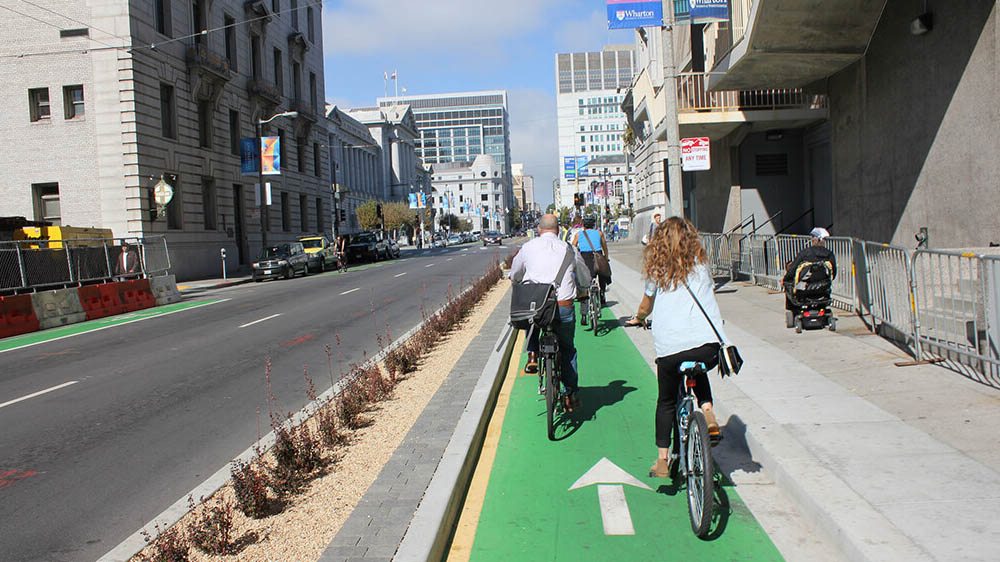
Safe, connected bike infrastructure gives people another option for shorter trips. When some journeys shift from cars to bikes, fewer vehicles compete for limited street space. Even a portion of suitable trips moving to bicycles can make better use of existing roads.
Better Use of Road Space
A typical motor-vehicle lane can carry around 2,000 people per hour, while a bike lane using the same amount of space can carry up to 10,000. Instead of focusing only on how many cars fit through a corridor, cycling infrastructure allows cities to consider how many people that space can move.
Connecting the First and Last Mile
A connected bike network can help cover the shorter distance between home, public transport, and the final destination. By linking riders with transit, workplaces, schools, and other destinations, city bikes can complement public transport without requiring every journey to rely entirely on a private car.
Why Cars Create Congestion Faster Than Cities Can Fix It?
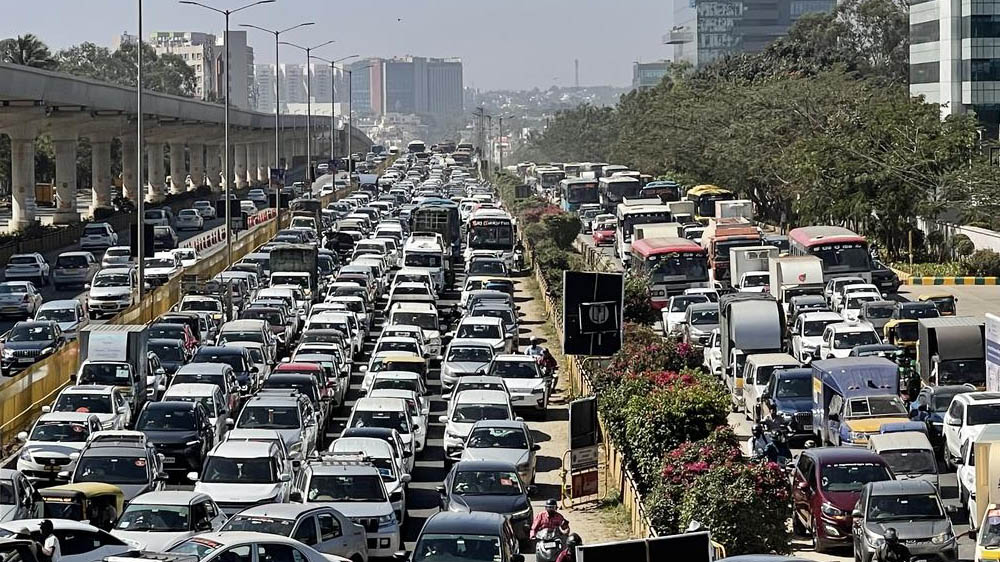
Adding another traffic lane sounds like a direct way to relieve congestion: more road space should mean more room for cars. In practice, the extra capacity can encourage more people to drive, bringing additional vehicles onto the road and putting more pressure on the surrounding network.
There is another limitation. A widened main road still depends on feeder streets and intersections that may not have the same additional capacity. Moving more cars through one section can simply shift the bottleneck elsewhere.
Cycling takes a different approach. Rather than continually expanding space for vehicles, a connected bike network gives some trips another way to reach their destination. The goal is not to fit more cars onto the road, but to move people without requiring every journey to occupy car-sized road space.
Why Is Cycling Infrastructure Still Underdeveloped in Many Cities?
One barrier is the concern that making room for cycling means taking space away from cars. In car-dependent areas, residents may worry that new bike lanes will slow traffic, remove on-street parking, or require costly changes to existing roads.
An Australian study tested that concern by simulating physically separated bike lanes on residential streets in a Melbourne suburb. Instead of rebuilding the streets completely, researchers worked largely within the existing roadway and designed the network to minimize disruption to vehicle traffic and parking.
The result was far less dramatic than the common concern suggests. Even in the worst-case simulation, average car travel time increased by only around 7%. The study also found that the proposed network could keep existing parking while providing safer, separated space for bicycles.
It is one example of how cycling infrastructure does not always require cities to choose between cyclists and drivers. Careful street design can create dedicated space for a bicycle while keeping the impact on existing car traffic relatively small.
Read also:
Is Bike Infrastructure a Smart Transportation Investment?
Building a bike lane is only part of the job. How it is designed, and how well it connects with the rest of the network, determines whether people can actually use it safely for everyday trips.
Protected bike lanes separate bicycles from motor vehicles, reducing the number of direct interactions between road users. Safe crossings and well-designed intersections matter just as much, particularly at points where cyclists, drivers, and pedestrians meet. Together, these features can reduce conflicts and help prevent crashes.
A connected cycling network can then do more than provide dedicated space for a bike. It can link people with workplaces, schools, public transport, and other everyday destinations, making a bicycle a more practical option for getting around.
For Polygon, encouraging more everyday cycling starts with cities where choosing two wheels is practical and safe. When infrastructure gives people a genuine alternative for suitable trips, cycling can become part of how cities move more people without simply making more room for cars.