


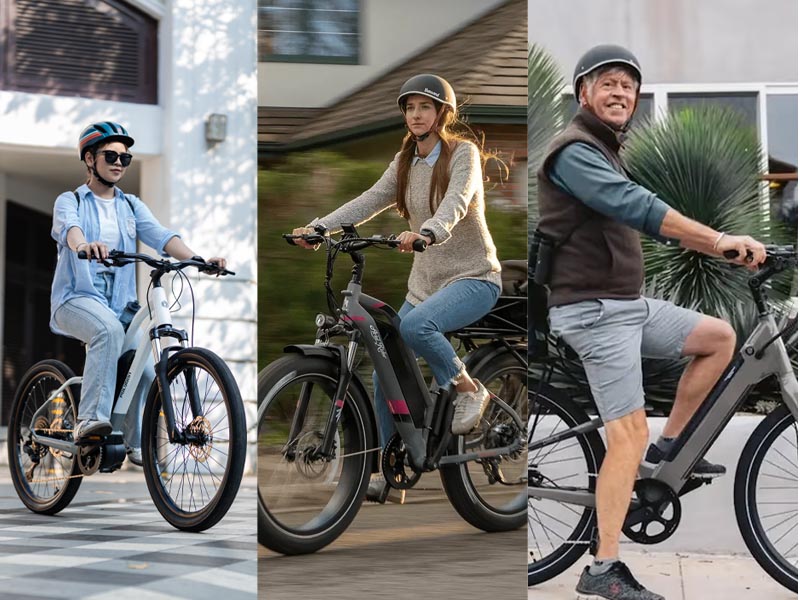
The main difference between e-bike classes comes down to how power is delivered and how quickly it assists. Class 1 uses pedal assist up to 20 mph, Class 2 adds a throttle at the same speed, and Class 3 pushes pedal assist up to 28 mph. These differences may seem simple, but they significantly affect how an electric bike feels to ride and where you’re allowed to use it.
A Quick Look at the Differences
| Feature | Class 1 | Class 2 | Class 3 |
| Pedal Assist | Yes | Yes | Yes |
| Throttle | No | Yes | Usually No |
| Max Speed | 20 mph (32 km/h) | 20 mph (32 km/h) | 28 mph (45 km/h) |
| Typical Access | Bike paths, trails | Most paths & urban roads | Roads, bike lanes |
| Best For | Recreation, trails | Daily commuting | Fast commuting |
While the table gives a clear overview, the real difference becomes more obvious when you look at how each class behaves on the road or trail.
Class 1 E-Bikes: The Most “Bicycle-Like” Experience
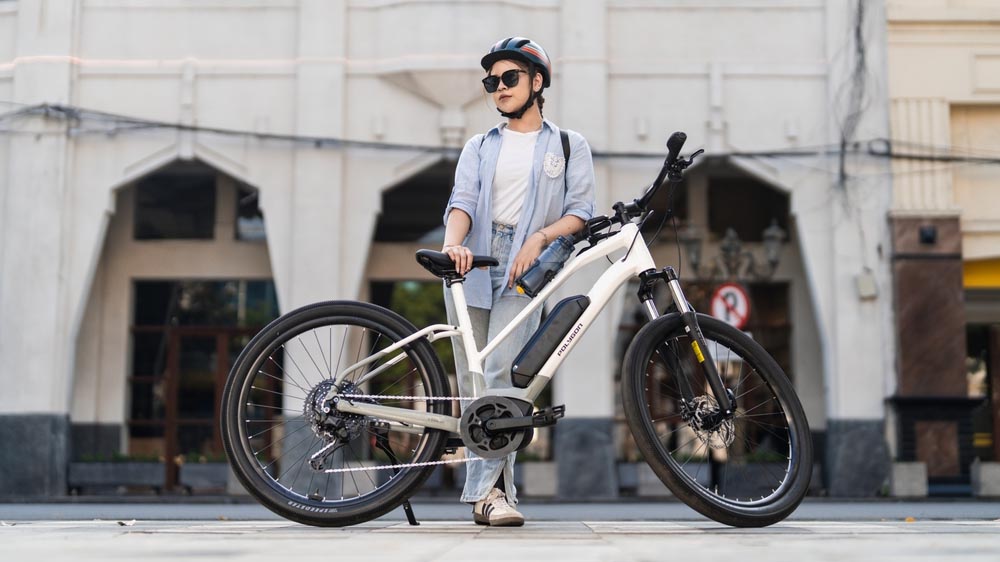
Class 1 e-bikes feel the closest to riding a traditional bike. The motor only kicks in when you’re pedaling, and once you hit 20 mph, the assistance fades out naturally. Because of this, the ride feels smooth and intuitive rather than motor-driven.
This simplicity is also why Class 1 bikes are the most widely accepted. They’re commonly allowed on bike paths, shared trails, and even some mountain bike routes where electric bicycles are permitted. For riders who still want a sense of effort and connection to the ride, this class strikes a good balance between assistance and physical input.
The trade-off is straightforward: without a throttle, you can’t rely on the motor alone when you’re tired or stuck in stop-and-go traffic. Everything still starts with your legs.
This makes Class 1 e-bikes best suited for recreational riding, fitness-focused cyclists, and those who frequently ride on bike paths or trails.
Class 2 E-Bikes: Practical and Versatile
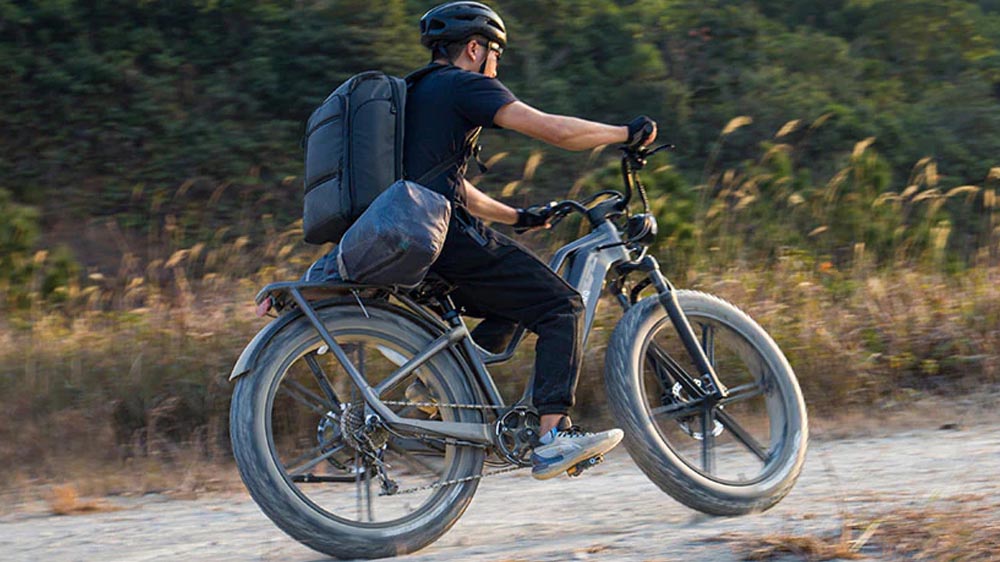
Class 2 e-bikes build on the same foundation as Class 1, but with one key addition: a throttle. That small change makes a noticeable difference in everyday riding.
You still get pedal assist up to 20 mph, but now you also have the option to move without pedaling at all. In real-world terms, this makes starting from traffic lights easier, reduces effort on short climbs, and gives you a break when needed.
That flexibility is why Class 2 is often seen as the most practical option for urban riding. It adapts well to unpredictable conditions like traffic, fatigue, or quick errands without forcing you to pedal at all times.
However, that added convenience comes with a few limitations. Some bike paths and trails restrict throttle-assisted bikes, and the system itself can add a bit of weight compared to simpler setups.
Overall, Class 2 e-bikes are best for urban commuting, casual riders, and anyone who values flexibility between pedaling and throttle use.
Class 3 E-Bikes: Speed for Serious Commuting
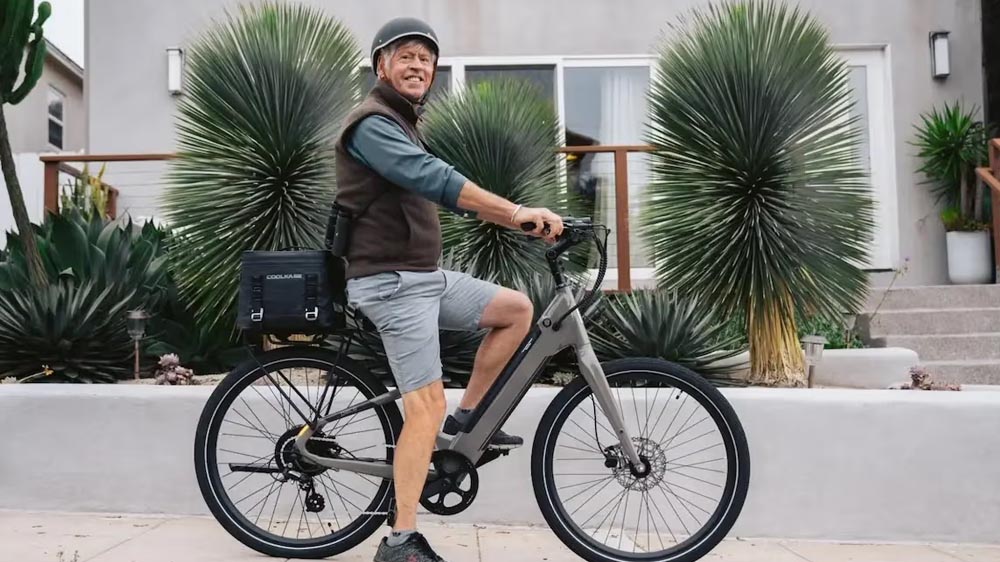
Class 3 e-bikes focus on speed and efficiency, with pedal assistance continuing up to 28 mph, significantly faster than other classes. At this level, the ride shifts from casual to performance-oriented, making it easier to keep up with traffic, maintain higher average speeds, and cover longer distances with less effort.
Because of this, Class 3 bikes are often used as car alternatives, especially in cities with well-developed cycling infrastructure. Their setup (geometry, gearing, and overall design) usually reflects this purpose, prioritizing efficiency over versatility.
The trade-off is access. Higher speeds bring stricter regulations, and many bike paths, shared trails, or recreational routes may limit or prohibit their use. This makes Class 3 e-bikes best suited for long-distance commuters and riders who prioritize speed and efficiency on the road.
Why E-Bike Classes Actually Matter?
At a glance, e-bike classes might seem like a technical detail, but they directly shape your riding experience.
The most obvious factor is access. A Class 1 bike can take you almost anywhere a regular bike can go, while a Class 3 model may be restricted to roads and designated lanes. Choosing the wrong class can limit your routes before you even start riding.
Then there’s how the bike feels. A Class 1 electric bike encourages a more active, fitness-oriented ride. Class 2 adds convenience and ease. Class 3 prioritizes speed and efficiency. None of these is better or worse; they simply suit different riding styles.
Safety also plays a role. As speed increases, so does the need for better control, awareness, and sometimes additional regulations. What feels comfortable at 20 mph can feel very different at 28 mph, especially in busy urban environments.
Read also: