



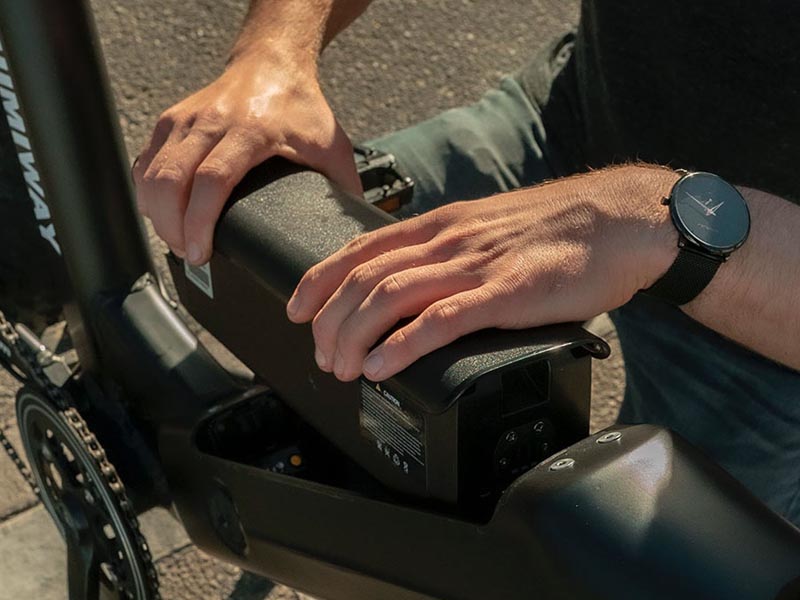
Removable e-bike battery systems offer superior convenience for charging, security, and long-distance riding, while non-removable (integrated) batteries focus on a sleeker design, better protection, and a more refined riding experience.
Both are widely used in modern electric bikes, and choosing between them depends on how you ride, store, and maintain your bike daily.
Battery Comparison: Real-World Differences
|
Factor |
Removable E-bike Battery |
Non-Removable (Integrated) E-bike Battery |
|
Charging |
Can be charged anywhere |
Must bring the bike to a power source |
|
Theft Risk |
The battery can be removed and secured |
Harder to remove, less attractive to steal |
|
Safety |
Easy to disconnect if needed |
Fully enclosed within a frame |
|
Weight |
Slightly heavier (locking system) |
Better weight distribution |
|
Maintenance |
Easy to replace or upgrade |
Requires tools or a technician |
|
Durability |
Can be stored separately |
Better sealed from the elements |
Beyond specs, the biggest difference is how each system fits into your daily routine, especially when it comes to charging access, storage, and long-term ownership.
Removable E-Bike Battery: Practical and Flexible
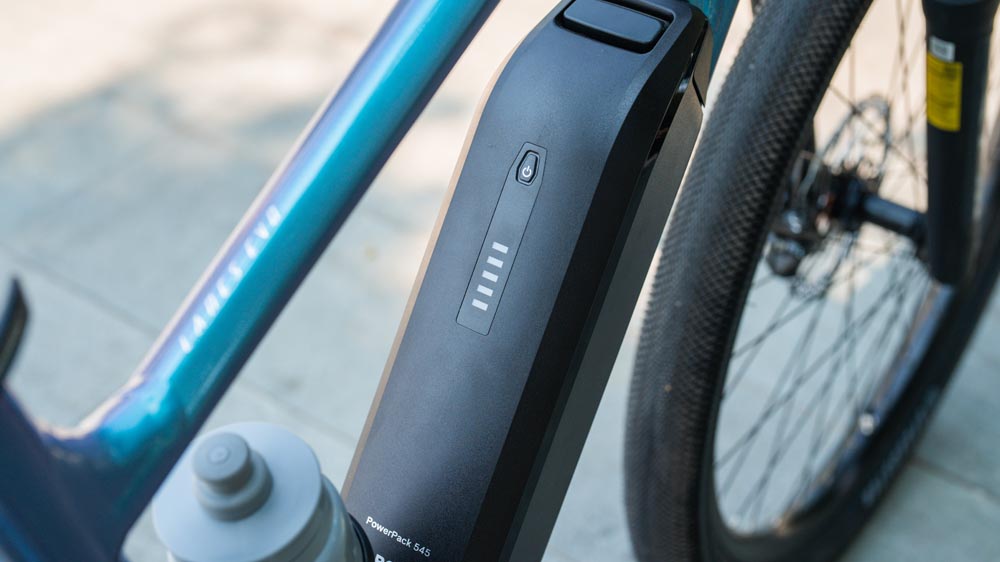
A removable e-bike battery is designed around usability and long-term ownership. It works best for riders who want a system that adapts easily to daily routines.
- Flexible charging: You can charge the battery indoors without moving the entire electric bicycle, which is ideal for apartments or limited-access parking.
- Easier replacement and longevity: Battery degradation is inevitable. A removable system allows quick replacement, reducing long-term maintenance complexity.
- Better safety control: The battery can be removed instantly if needed, making it easier to handle electrical concerns or store the bike safely.
- Travel and extended rides: For longer distances, removable batteries allow more flexibility in managing range, including carrying or charging separately.
Extreme temperatures can impact battery performance, so storing it indoors helps maintain efficiency and extend its lifespan. Overall, removable systems suit riders who prioritize convenience and long-term reliability. The trade-off is mainly in design; they can look slightly bulkier, and the locking mechanism may wear over time with frequent use.
Non-Removable (Integrated) Battery: Clean and Performance-Oriented
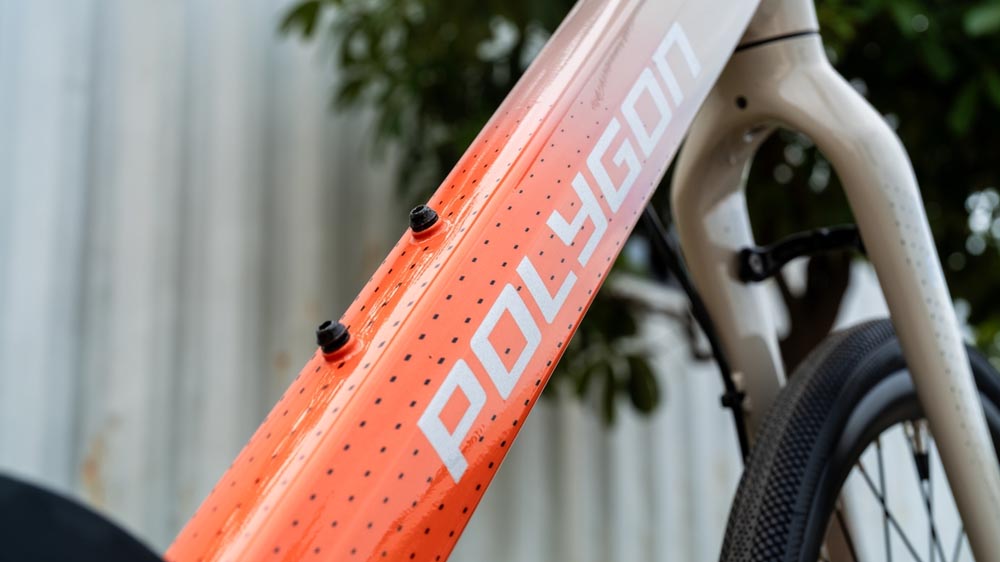
Integrated batteries are common in premium e-bike designs, especially those focused on aesthetics and ride quality.
- Clean, premium integration: The battery is built into the frame, creating a seamless look that closely resembles a traditional bike.
- Better protection and durability: The frame shields the battery from water, dust, and impact, making it more suitable for harsh riding conditions.
- Improved ride balance: Integrated placement often results in better weight distribution, contributing to more stable handling.
- Lower battery-specific theft risk: Since the battery isn’t easily removable, it’s less likely to be targeted separately.
Although removable for servicing, these batteries are not designed for daily removal, making them less practical but more refined.
Which E-Bike Battery Should You Choose?
Choosing the right e-bike battery depends less on specifications and more on how you actually use your bike.
For urban commuters or apartment dwellers, removable batteries are usually the better option. The ability to charge indoors and manage the battery separately makes daily use far more convenient.
For performance-focused riders or those with a dedicated storage space (such as a garage with power access), integrated batteries offer a cleaner and more refined setup.
For long-distance riders or delivery use, removable batteries provide a clear advantage. Being able to manage battery usage and reduce downtime makes a significant difference.
In practical terms:
- Removable batteries prioritize flexibility, convenience, and long-term usability
- Integrated batteries prioritize design, protection, and ride quality
Our E-Bike Battery Approach
[creative 3] Ilustrasi Siskiu TE, Kalosi, & Gili, dalam 1 frame
ALT: Polygon electric bikes
Modern electric bikes from Polygon Bikes combine both systems depending on the riding category.
Performance models like the Polygon Siskiu TE Series use removable battery systems. This setup supports riders who need easy charging access and extended range, especially in off-road conditions.
Meanwhile, urban-oriented models such as the Polygon Kalosi Series and Polygon Gili Series use semi-integrated batteries. These designs maintain a clean frame appearance while still allowing battery removal using tools.
This approach gives riders flexibility to choose between convenience and design without compromising functionality.
Final Thoughts
There is no single “better” e-bike battery, but only what fits your riding habits best.
Removable systems excel in real-world practicality, especially when charging, access, flexibility, and long-term maintenance matter. Integrated systems, on the other hand, deliver a cleaner design, improved protection, and a more refined riding experience.
Understanding these differences helps you choose an electric bike that works not just in theory, but in your everyday riding routine.
Read also: