



An ideal City Bike Setup for daily commuting prioritizes comfort, reliability, and cargo capacity over speed. The goal isn’t to ride faster, it’s to make your city bike consistent and effortless in real conditions like traffic, uneven roads, and unpredictable weather.
When your setup is right, commuting becomes routine instead of something you have to “push through.”
Start with the Right Riding Position
A proper City Bike Setup always starts with your riding position. For daily commuting, an upright posture is the most practical choice. It reduces strain on your back, shoulders, and wrists while giving you better visibility in traffic. You should be able to look ahead naturally without needing to crane your neck.
Ideally, your handlebars should be level with or slightly higher than your saddle. If you feel too stretched forward, small adjustments, like raising the handlebars or using a shorter stem, can make a noticeable difference.
Unlike performance-focused bikes, a commuter bike should feel stable and relaxed. The goal is control and comfort, especially in stop-and-go traffic where quick reactions matter more than speed.
Choose the Right Saddle and Set Its Height for No More Suffering

Saddle discomfort is one of the most common reasons people give up daily riding, which is why it’s a key part of any City Bike Setup.
Start by setting the correct saddle height. Your leg should be almost fully extended at the bottom of the pedal stroke, with just a slight bend at the knee. This helps improve pedaling efficiency while reducing strain over time.
Keep the saddle level. Tilting it too far up or down often creates pressure points that make short rides feel uncomfortable. A neutral position usually works best for everyday riding.
For most urban bike setups, a slightly wider and more padded saddle is the better choice, especially if you ride in regular clothes. While performance saddles are lighter, they’re not always suited for frequent stop-start commuting. Getting this right doesn’t just improve comfort; it makes your entire riding experience more sustainable day after day.
Run the Right Tire Pressure in Your City Bike Setup
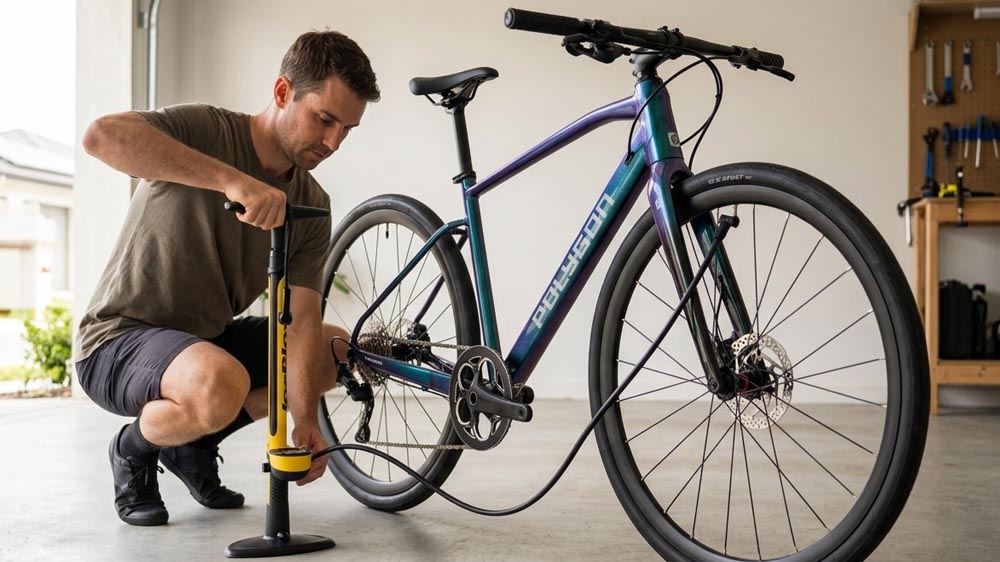
Tire pressure plays a bigger role than most riders expect in a City Bike Setup.
Using wider tires (typically around 35–45 mm) helps absorb vibrations from rough urban roads, potholes, and small debris. This improves both comfort and control, especially during longer rides.
Instead of inflating your tires to the maximum PSI, aim for moderate pressure. Slightly lower pressure increases grip and reduces the harsh feeling that often comes with overinflated tires.
Finding the right balance depends on your weight, riding style, and road conditions. To fine-tune your setup, it’s worth referring to a dedicated City Bike Tire Pressure Guide so you can dial in the most efficient and comfortable pressure for your daily rides.
Using the Mandatory Gear for Daily Commuting
A complete City Bike Setup always includes essential gear. These items are not optional, but they directly affect safety, visibility, and practicality.
- Helmet: A helmet provides basic protection and is especially important in unpredictable urban environments.
- Front and rear lights: Visibility is critical, even during daylight. Lights help ensure that other road users can see you clearly in traffic.
- Bell: A simple but effective way to alert pedestrians and other cyclists, especially in crowded areas.
- Bike lock: Security is a key part of commuting. A strong U-lock for the frame combined with a cable lock for the wheels is a reliable setup for most situations.
Having these essentials in place makes your commuting routine safer and more consistent.
Recommended Polygon City Bikes for Commuting
If you’re looking for a ready-to-use city bike, we offers several models designed specifically for urban riding.
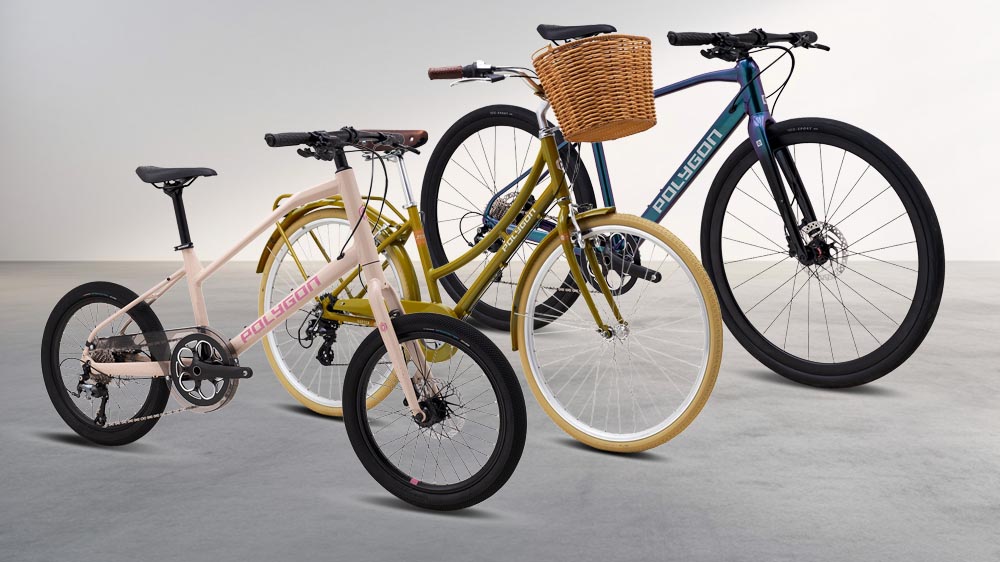
The Polygon Oosten Series focuses on comfort, featuring upright geometry that supports a relaxed riding position for daily commutes. The Polygon Path Series offers a more versatile ride, balancing comfort and efficiency for mixed routes that include both smooth roads and slightly rougher surfaces. Meanwhile, the Polygon Zeta Series provides a practical and accessible option for riders who want a reliable everyday urban bike without overcomplicating the setup.
Each of these bikes is designed to support a functional City Bike Setup, making it easier to build a commuting system that works consistently.
Final Thoughts
A well-built City Bike Setup doesn’t need to be complicated, it just needs to work. By focusing on the right riding position, proper saddle setup, correct tire pressure, and essential gear, you can create a setup that feels natural and reliable every day.
When your bike is set up properly, commuting becomes less about effort and more about routine, something you can depend on, no matter the conditions.
Read also: