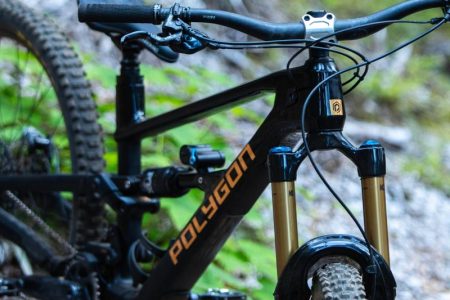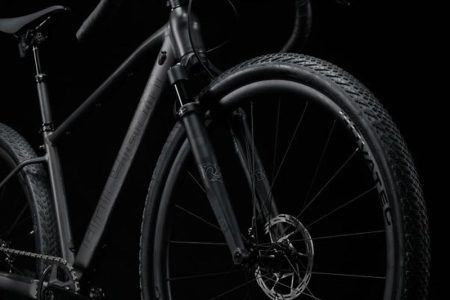



MTBs use mountain bike tubeless tires to dramatically reduce flat tires and improve trail performance. Mountain bike tubeless tires eliminate pinch flats (“snakebites”) and allow lower tire pressure, which increases traction, comfort, and control on rough terrain.
For modern MTB riding, that combination is hard to ignore. Whether you ride a hardtail mountain bike or a full suspension mountain bike.
Key Reasons for Tubeless Adoption in an MTB
 Fewer Flats (The Big One)
MTB riding means rocks, roots, thorns, and sharp edges. Traditional tubes struggle in those conditions.
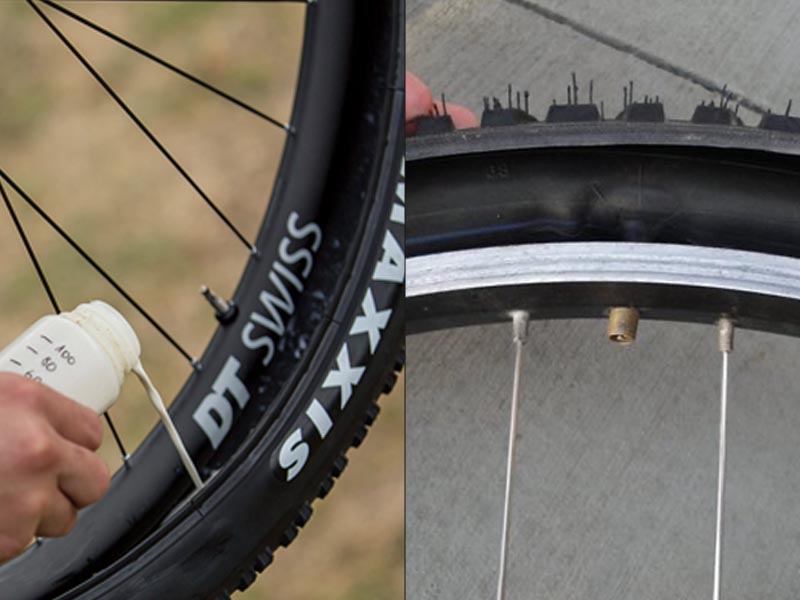
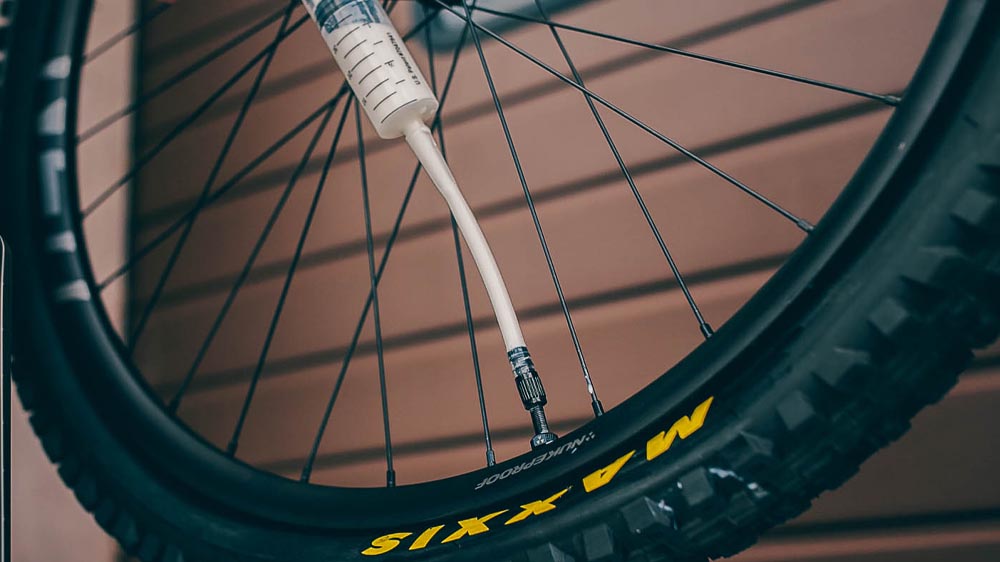
Mountain bike tubeless tires use liquid sealant inside the casing. When a small puncture happens, air pressure pushes sealant into the hole, where it hardens almost instantly. Most thorn punctures and small cuts seal automatically, often without you even noticing mid-ride.
And since there’s no inner tube, pinch flats are essentially gone. That alone is why many riders never switch back.
Lower Tire Pressure = More Grip
Without a tube to pinch, you can safely run lower PSI.
Lower pressure allows the tire to deform around rocks and roots instead of bouncing off them. This creates a larger contact patch with the ground, resulting in:
- Better cornering grip
- Improved climbing traction
- More control on descents
On a mountain bicycle, especially on loose or technical trails, grip directly translates to confidence.
Improved Ride Comfort and Speed
Lower pressure doesn’t just improve traction, but it also smooths out the ride.
Tubeless MTB bike tires absorb trail chatter more effectively because the casing can flex naturally. That means less vibration reaching your hands and legs. On long rides, especially with a hardtail mountain bike, this reduction in fatigue becomes noticeable.
There’s also a subtle efficiency gain. Without a tube rubbing against the inside of the tire, rolling resistance decreases slightly. Combined with reduced rotational weight, the bike can feel more responsive.
Weight Savings (Rotational Mass Matters)
Removing a heavy rubber tube reduces rotational weight, the most performance-sensitive type of weight on a bike.
While sealant and tubeless valves add some grams, the overall setup is often lighter than tubes. The result? Quicker acceleration and a lighter wheel feel, particularly noticeable during repeated trail accelerations.
More Reliable for Real Trail Conditions
Today’s mountain bike tires and rims are designed to be tubeless-ready (TR/TLR). Stronger sidewalls, tighter bead interfaces, and compatible rims make tubeless the default standard, not a premium upgrade.
For remote trails and aggressive riding, mountain bike tubeless tires offer reliability that tubes simply can’t match.
Are There Downsides to Mountain Bike Tubeless Tires?
Tubeless isn’t perfect. There are trade-offs.
Higher Upfront Cost
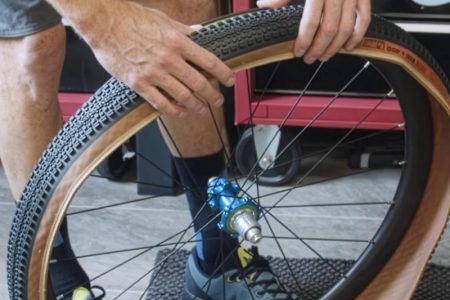
Tubeless-ready tires, valves, rim tape, and sealant add to the initial cost. Setup can also require a high-volume air blast to seat the tire bead properly; a standard floor pump isn’t enough.
Ongoing Maintenance
Sealant doesn’t last forever. It dries out over time and needs topping up every 3–6 months, depending on the climate. If you forget, you lose the self-sealing benefit.
Compared to tubes (which are mostly “install and forget”), tubeless requires more garage time.
Large Cuts Still Need Backup
Sealant handles small punctures, but big sidewall tears won’t seal. That’s why carrying tire plugs or even a spare tube is still essential. Installing a tube inside a sealant-covered tire can get messy, but it’s your backup plan.
Risk of “Burping”
If tire pressure is too low and you corner aggressively, the bead can momentarily lose its seal against the rim. This releases a small burst of air called “burping.”
Proper pressure setup and compatible rims greatly reduce this risk, but it’s something to be aware of, especially when experimenting with ultra-low PSI.
Final Thought
Mountain bike tubeless tires have become the industry standard because they solve real trail problems: fewer flats, better grip, improved comfort, and stronger reliability in rough terrain.
While they require slightly more setup and maintenance, the performance benefits far outweigh the downsides for most MTB riders.
If you’re considering switching or optimizing your current setup, the next step is dialing in the correct PSI. Check out our Mountain Bike Tire Pressure Guide to find the ideal balance between grip, speed, and durability for your ride.
Read also: Choosing Your First MTB Guide