


Changing a road bike tire is mandatory—not optional. A road bike tire is a wear component that directly affects safety, comfort, and performance. No matter how advanced a road bicycle is, tires will eventually wear out and need replacement. Knowing how to change a road bike tire is not just a useful skill, but it’s essential for keeping your rides smooth and uninterrupted.
Fortunately, changing a road bike tire is a simple process once you understand the steps and know what to look for.
Tools You Need to Change a Road Bike Tire
You don’t need a full workshop to change a road bike tire. These basic tools are enough for most situations:
- Tire levers: Help pry the tire off the rim without damaging the wheel
- New road bike tire: A replacement tire suited to your riding conditions
- Bike pump: Needed to re-inflate the tire to the correct pressure
- Spare inner tube: Useful for quick fixes, especially after a puncture
With these essentials, most road bicycles can be serviced easily at home or even during a ride.
Step-by-Step: How to Change a Road Bike Tire?
Remove the Old Tire and Deflate It Completely
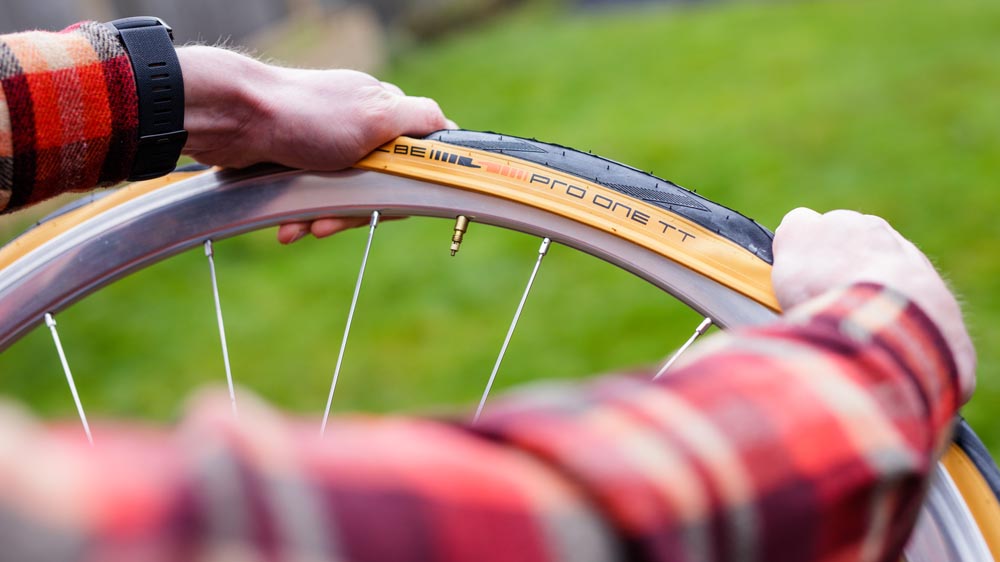 Start by removing the wheel from your road bike. If you’re using rim brakes, open the brake quick-release first; for disc brake bikes, you can skip this step. Open the quick-release or thru-axle and carefully remove the wheel from the frame.
Before working on the tire, make sure it is fully deflated. Press the valve to release all remaining air—on Presta valves, don’t forget to loosen the small valve tip first. A completely deflated road bike tire is much easier to remove and reduces the risk of damage.
Remove the Inner Tube (If Necessary) and the Tire
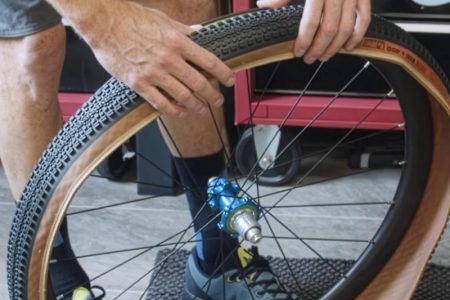
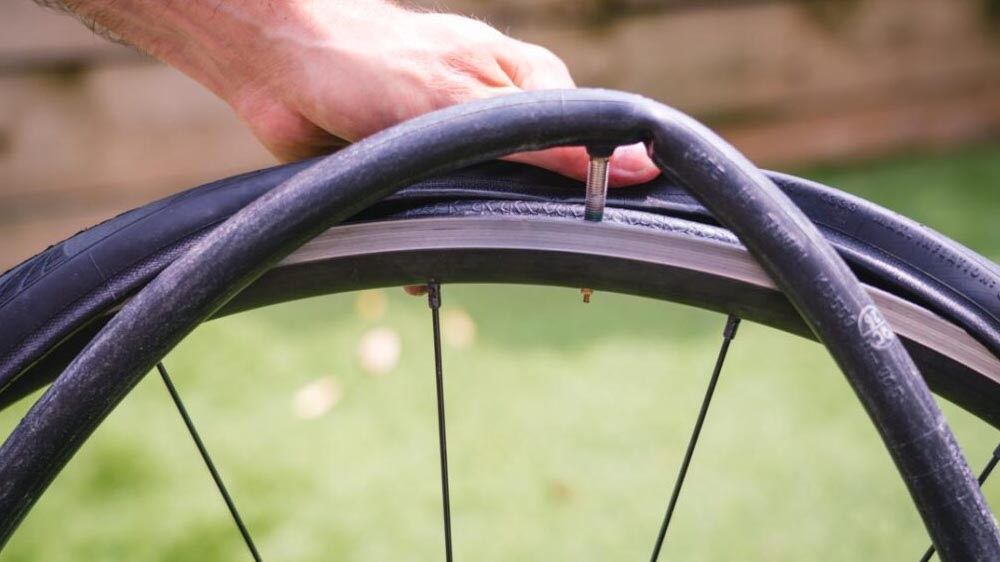 Once the tire is deflated, use a tire lever to lift one side of the tire bead over the rim. Work your way around the wheel until one side of the tire comes off completely. If your road bike uses an inner tube, remove it carefully at this stage.
Take a moment to inspect the inside of the tire and the rim. Small debris such as glass, thorns, or sharp stones can remain hidden and cause an immediate puncture if not removed.
Install Your New Road Bike Tire
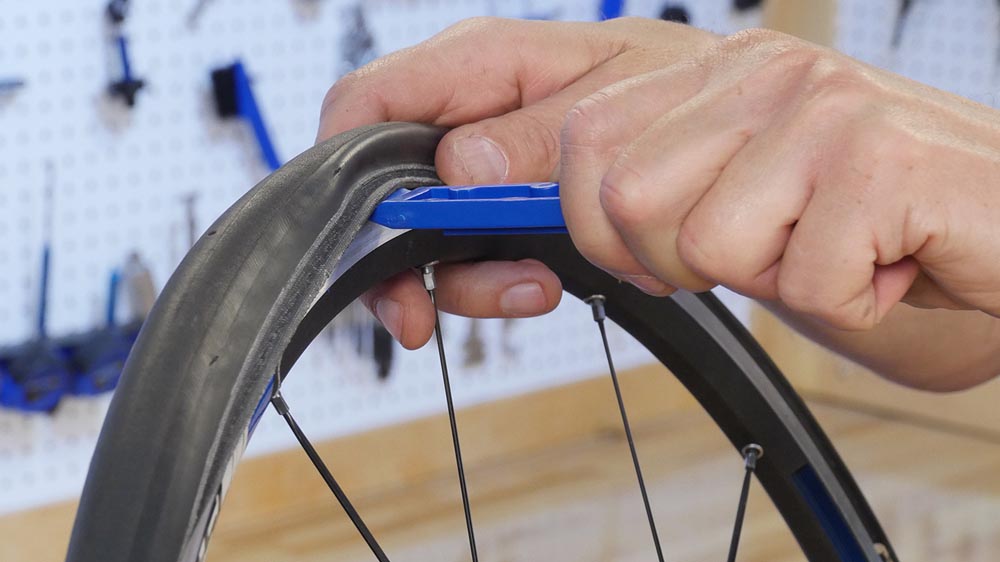 Begin installing the new road bike tire by fitting one side of the tire onto the rim. If you’re using an inner tube, inflate it slightly so it holds its shape, then place it evenly inside the tire.
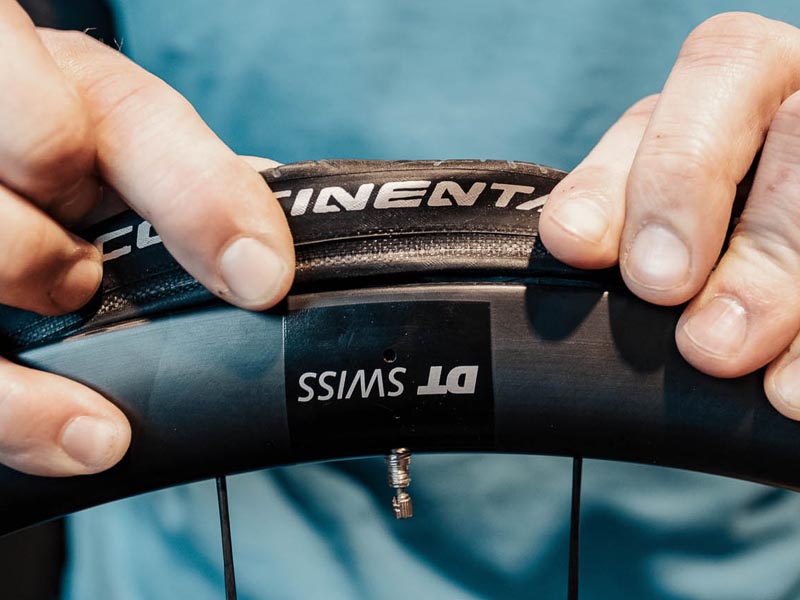
Start mounting the second bead at the valve and work your way around the rim. The final section will feel tighter than the rest; this is normal. Try to finish by hand to avoid pinching the tube, using tire levers only if necessary.
Inflate Slowly and Check the Tire Seating
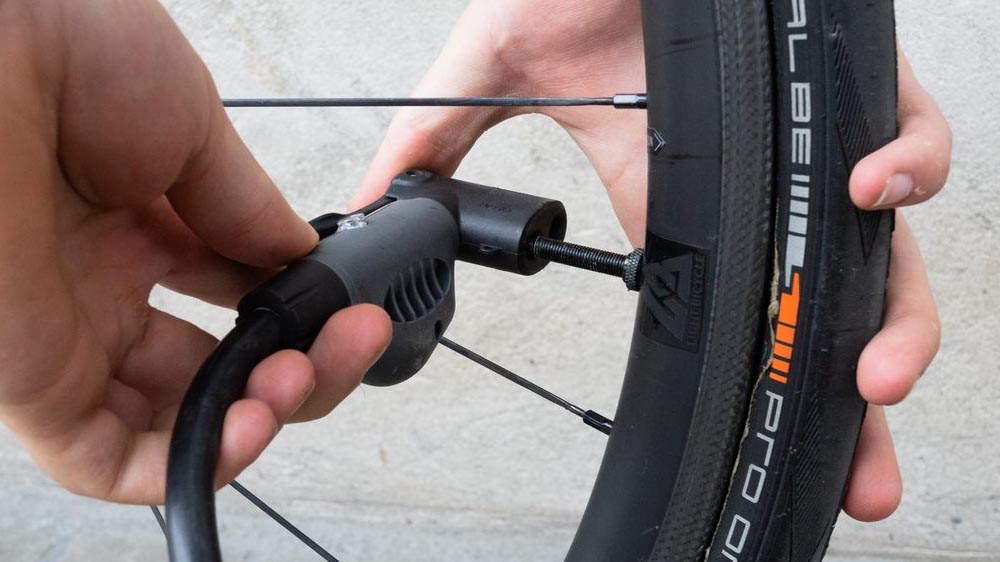 Once the tire is fully installed, inflate it gradually. Add a small amount of air first and check both sides of the wheel to ensure the tire bead is seated evenly. An unevenly seated road bike tire can affect handling and lead to premature wear.
After checking alignment, inflate the tire to the recommended pressure printed on the sidewall. Here’s your road bike tire pressure reference. Proper inflation is essential for comfort, grip, and durability. For more details, refer to our guide on how to inflate a road bike tire.
Reinstall the Wheel
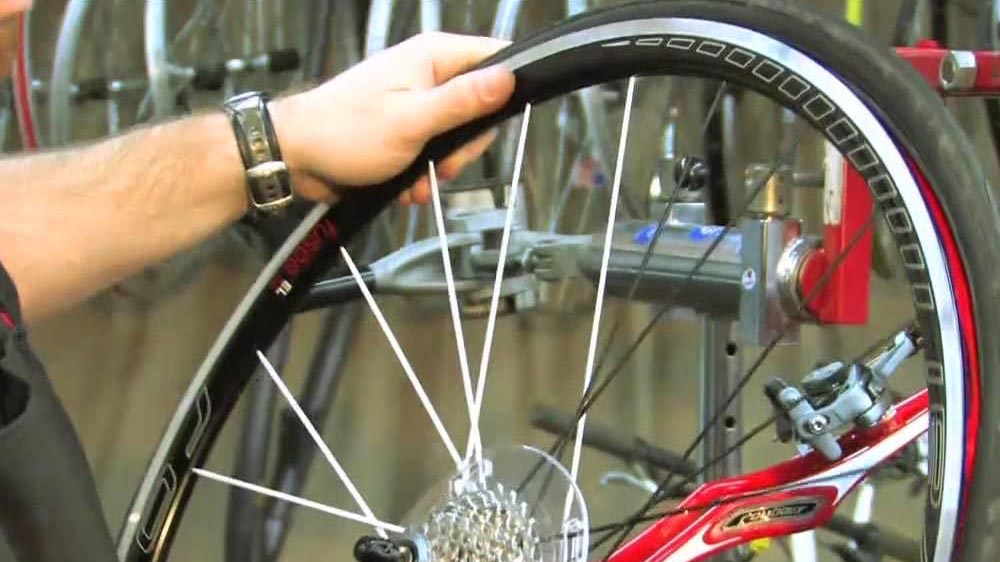 Place the wheel back into the frame, making sure it sits correctly in the dropouts. Secure the quick-release or thru-axle, reconnect the brakes if necessary, and spin the wheel to confirm it runs freely without rubbing.
Your road bike is now ready to ride.
How Long Do Road Bike Tires Last?
The lifespan of a road bike tire depends on riding habits, road conditions, and tire compound. In general, most road bike tires last between 2,000 and 4,000 kilometers. Rear tires usually wear out faster because they carry more load and handle most of the braking force.
Regular inspection helps extend tire life and prevents unexpected failures.
When Should You Change a Road Bike Tire?
It’s time to replace a road bike tire when the tread becomes flat, wear indicators start to disappear, or small cuts and cracks appear on the surface. Frequent punctures and reduced grip, especially on wet roads, are also clear signs that a tire has reached the end of its service life.
Changing a tire before it fails keeps every ride safer and more predictable.
Knowing how to change a road bike tire gives every rider more confidence and independence. It’s a simple maintenance skill that protects your road bicycle, saves time, and keeps rides enjoyable. With a bit of practice, tire changes become second nature and an essential part of owning one of the best road bikes for everyday riding.
Read also: How Do Road Bike Tires Affect Speed?