


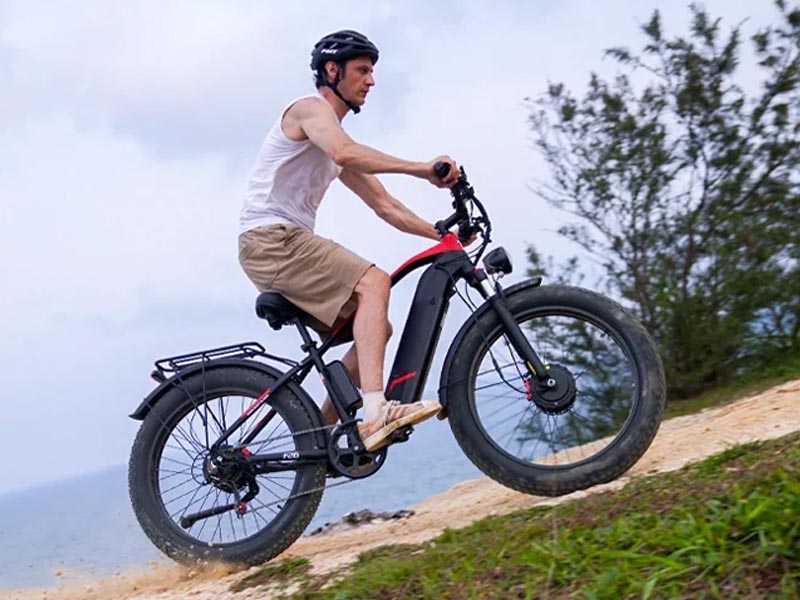
Yes, riding uphill drains an electric bike battery significantly faster because climbing forces the motor to work harder against gravity. On steep or sustained inclines, power use can rise far above flat-road riding because the system must deliver more torque for longer periods.
That is why the same e-bike often shows a shorter range on hilly routes, even when the battery starts fully charged. Riders using an electric bicycle in mountainous areas usually notice battery percentage dropping much faster than during flat urban commuting.
Why do Uphill Drains Batteries Faster?
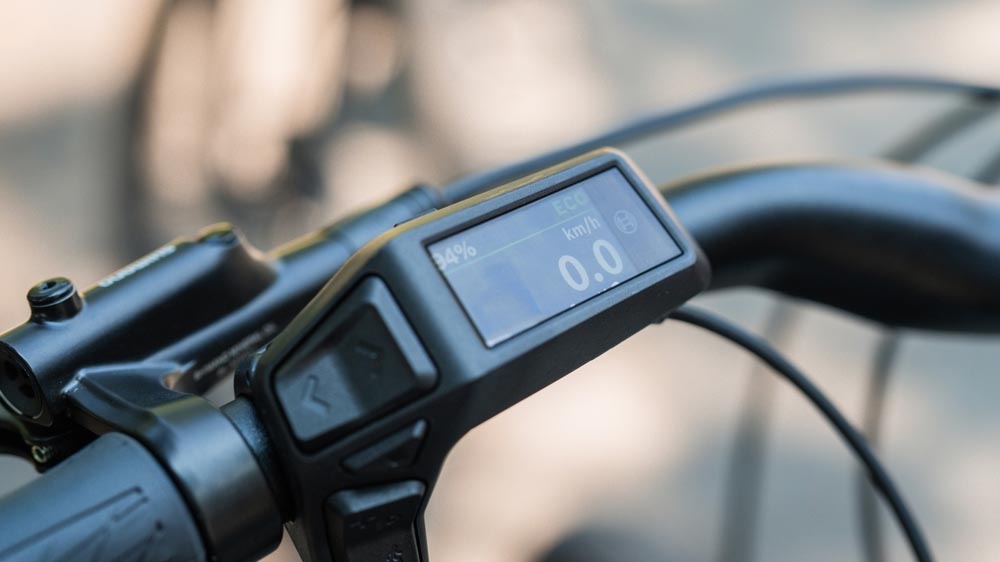
1. More Power Is Needed Against Gravity
The main reason uphill riding uses more battery on an electric bike is simple: gravity constantly pulls the bike backward while the motor tries to move it forward.
On flat roads, the motor mainly handles rolling resistance, wind drag, and rider input. Once the road tilts upward, the system must add extra power to lift the full combined weight of the bike and rider. That extra effort increases battery consumption immediately, even on moderate gradients.
This is why a short, steep climb can sometimes use more battery than several kilometers of flat riding. The steeper the incline, the more electrical energy the e-bike draws in a short period. On long climbs, this effect becomes even more noticeable because the battery remains under load for a longer time.
2. The Motor Works Harder During Climbs
An electric bicycle motor operates most efficiently when power demand stays relatively stable. Uphill riding changes that because the motor often remains under heavy load continuously.
Instead of short bursts of support, the motor on an electric bike may stay in high-output mode for several minutes, especially when the climb is steep or the rider uses high assist levels. This sustained demand increases battery draw and also creates more heat inside the motor.
Heat matters because when a motor works harder for longer, efficiency can drop slightly, which means the battery on an e-bike may drain even faster than expected. Riders often notice this during repeated climbs, where battery percentage falls more quickly than on rolling or flat routes.
3. Weight Amplifies the Effect
Battery drain becomes even more obvious when the total load increases. A heavier rider, commuting bag, or touring equipment all add mass that the motor must push uphill.
The difference may not feel dramatic on flat roads, but on climbs it becomes much more visible because every extra kilogram increases the energy needed. This is why two riders using the same electric bike on the same hill may see different battery use depending on body weight and cargo.
Tips to Improve Battery Life While Climbing
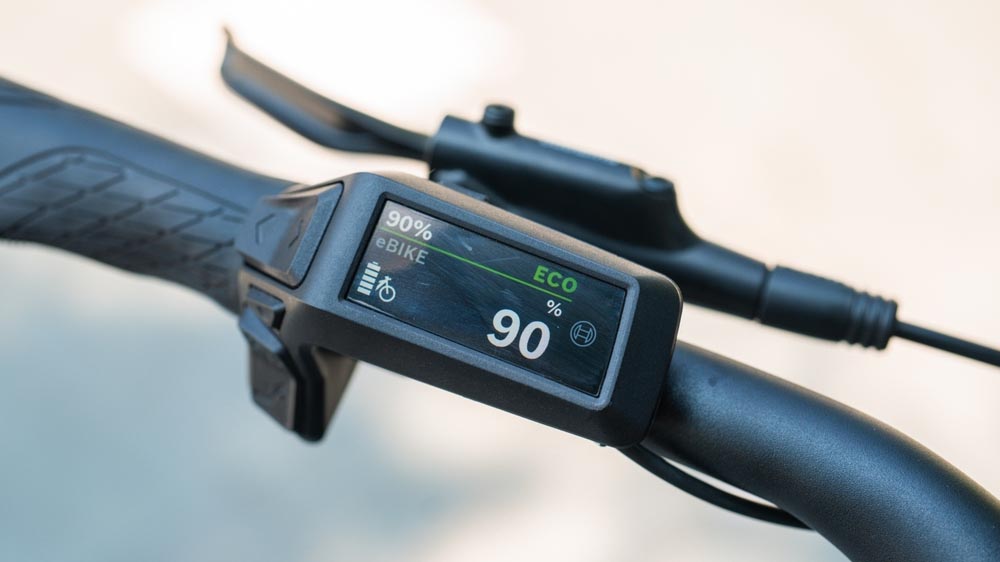
1. Use Lower Assist Mode
Many riders instinctively switch to maximum assist when climbing, but that often drains the battery quickly. A lower or medium assist setting usually allows the motor to support your effort without drawing excessive power. It may feel slower at first, but it helps preserve battery for later sections of the ride.
This becomes especially useful on long climbs where saving energy early often means better range later.
2. Shift to Lower Gears
Proper gearing is one of the simplest ways to improve efficiency uphill. Lower gears help maintain a smoother cadence, which reduces stress on the motor. When cadence stays consistent, the motor does not need to compensate for heavy pedal resistance.
Shifting before the climb becomes steep usually works better than waiting until speed drops too much.
3. Avoid Sudden Acceleration on Climbs
Fast acceleration on a climb demands an immediate burst of electrical power. That sudden current draw causes the battery percentage to drop faster than maintaining a steady rhythm. Instead of trying to surge uphill, a controlled pace usually uses less energy and feels smoother overall.
A steady climb often saves more battery than aggressive bursts followed by recovery.
What Should You Do After Climbing With an E-Bike?
1. Ease Off the Assist Immediately
Once the steep section ends, reducing the assist level is usually the smartest next step. The motor no longer needs maximum support on flatter terrain, so keeping high assist active only uses unnecessary battery.
Even lowering one assist level often helps the system recover efficiency.
2. Let the Motor Cool Down
Long climbs generate heat inside the motor, especially when assist stays high. After reaching the top, riding at a relaxed pace for a few minutes allows airflow to cool the system naturally before the next hard section. This habit can help protect long-term motor performance.
3. Charge the Battery After the Ride
Climbing often uses more battery than riders expect, even if the total ride distance is not very long. Charging your e-bike after a ride with repeated elevation helps prepare the bike for the next outing and avoids deep battery depletion, which is generally better for long-term battery care.
Climbing is one of the fastest ways to use battery power on an electric bike, but smart pacing, proper gearing, and controlled assist use make a clear difference.
New to electric bikes? You can learn more about what an electric bike is, how they work, & their current type on the market here!
Read also: