


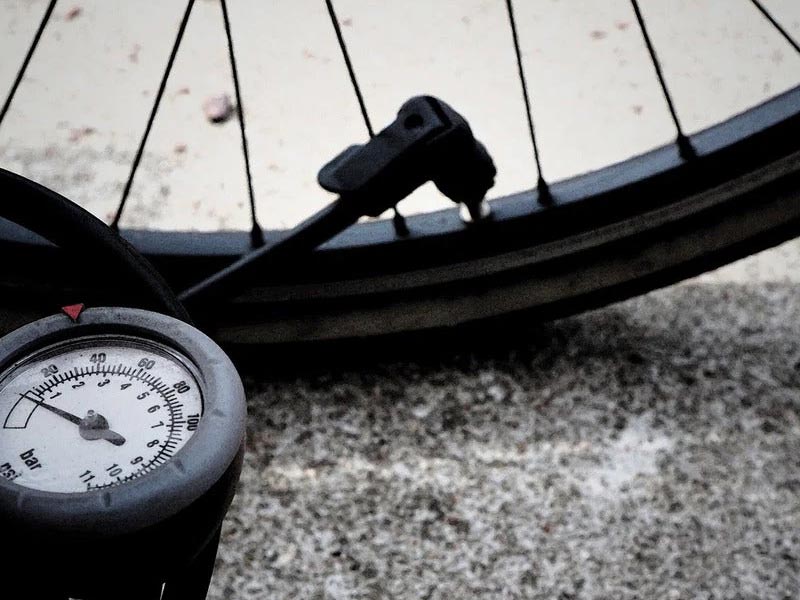
For many riders, tire pressure is often overlooked, checked only when a city bike feels slow or a tire looks flat. In reality, tire pressure has a major impact on everyday urban riding. It influences comfort on uneven roads, stability in traffic, and control when braking or cornering.
Too much pressure makes the ride harsh, while too little can feel sluggish and unstable. Finding the right balance helps a city bike stay comfortable, efficient, and confident on daily streets.
What Is the Recommended City Bike Tire Pressure Based on Tire Width?
Before diving into specific city bike setups, it helps to look at city bike tire pressure as a reference point. City bikes are designed for daily riding on smooth to moderately rough asphalt, prioritizing efficiency, stability, and comfort rather than outright speed. Because of this, they typically use moderate-to-higher tire pressures paired with relatively narrow to mid-width tires.
The pressure ranges below reflect commonly recommended city bike tire pressures, while the tips explain how riders typically adjust them based on comfort, load, and everyday riding conditions.
| Tire Width | Pressure (PSI) | Pressure (Bar) | Ride Feel |
| 28–32 mm | 60–80 PSI | 4.1–5.5 bar | Firm but still manageable |
| 35–38 mm | 45–65 PSI | 3.1–4.5 bar | Balanced for daily commuting |
| 40–45 mm | 35–55 PSI | 2.4–3.8 bar | Comfortable on rough surfaces |
| 47–50 mm | 30–45 PSI | 2.0–3.1 bar | Very plush and forgiving |
How to read this table (practical tips):
- Wider tires allow lower pressure without sacrificing control
- Lower pressure improves comfort and grip on imperfect roads
- City bike pressure prioritizes stability and safety over outright speed
These ranges reflect how city bike tires are meant to work in real urban environments, absorbing vibration, maintaining grip, and rolling efficiently over mixed road conditions.
Rather than aiming for the highest number possible, the goal is to stay within a pressure range that matches tire width and daily riding needs.
What Adjustments Might Riders Need Based on Weight and Riding Conditions?
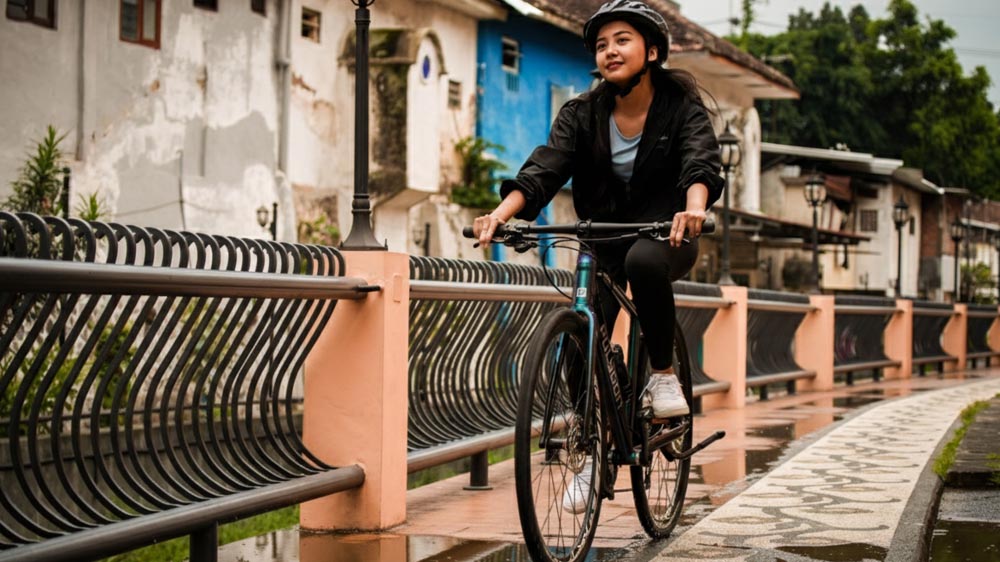 Once the base pressure is set using the table above, small adjustments help fine-tune how the bike feels.
Adjust by Rider Weight
- Under 65 kg: stay closer to the lower end
- 65–85 kg: aim for the middle of the range
- Above 85 kg: move toward the higher end
Carrying bags, groceries, or a child seat? Add 5–10 PSI to the rear tire, as it supports more weight.
Adjust by Riding Conditions
- Rough roads, potholes, bricks: slightly lower pressure
- Smooth asphalt, longer commutes: slightly higher pressure
- Wet conditions: reduce pressure by ~5 PSI for extra grip
What Are the Pro Tips for Setting the Right City Bike Tire Pressure?
A few small habits can make a noticeable difference in how a city bike feels day after day:
- Run the front tire slightly lower than the rear: Around 5 PSI less in the front helps balance weight distribution, especially on upright urban bikes.
- Check tire pressure regularly: City bike tires lose air gradually, even when the bike isn’t used every day. A quick weekly check keeps the ride consistent.
- Follow the tire’s sidewall limits: Always stay within the minimum and maximum PSI printed on the tire to maintain safety and tire longevity.
- Tune pressure to your routine: If your ride includes rough roads, speed bumps, or brick surfaces, comfort-focused pressure will make daily cycling more enjoyable and controlled.
These small adjustments help city bikes perform the way they’re designed to be smooth, stable, and dependable in everyday conditions.
Conclusion: Set the Right Pressure, Get More from Your City Bike
The right tire pressure can completely change how a city bicycle feels on the road. With the correct setup, rides become more comfortable, handling feels more predictable, and daily commuting requires less effort.
City bikes are built to handle real-world riding, and tire pressure is a key part of making that design work as intended. By starting with recommended pressure ranges and adjusting based on weight and riding conditions, every ride becomes safer and more enjoyable.
If you’re looking for a bike designed around urban comfort and everyday practicality, explore the latest Polygon city bike and urban bike lineups. Each model is built with geometry, tire clearance, and ride quality that support confident riding across city streets and daily routes.
Other bike tire pressures you might need