


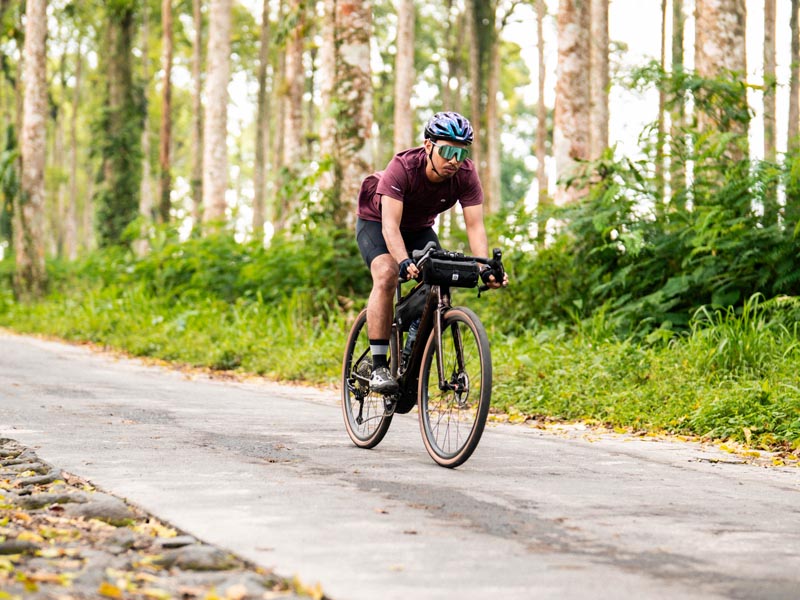
An electric gravel bike is often worth considering if your goal is to ride farther, reduce fatigue, and make demanding terrain feel more accessible without losing the character of gravel riding.
Pedal assist does not replace effort; it supports it when needed, which is why many riders describe electric gravel riding as both practical and highly enjoyable.
Why Is an Electric Gravel Bike Worth It?
The appeal of electric gravel bike usually becomes clear once riders experience how much assistance changes longer or more demanding routes.
1. Boosted Experience
One of the biggest advantages is how naturally pedal assist supports momentum. On loose gravel, headwinds, or uneven surfaces, the motor helps smooth out effort so the ride feels more controlled rather than interrupted by sudden difficulty.
Instead of removing the challenge entirely, the assistance often makes demanding sections feel more manageable. Riders still pedal normally, but the extra support allows them to maintain rhythm more easily when surfaces change.
That balance is why many riders describe electric gravel riding as more enjoyable rather than less engaging.
2. Go Further With Less Fatigue
A major reason many riders choose an electric bike for gravel riding is energy management over distance.
Pedal assist helps conserve strength early in the ride, which often means riders finish longer routes with more energy than expected. This becomes especially useful when routes include repeated climbs, rough surfaces, or long exposed roads where fatigue usually builds gradually.
For riders who previously limited distance because of energy concerns, electric assistance often expands what feels realistic in one ride.
3. Modern Technology
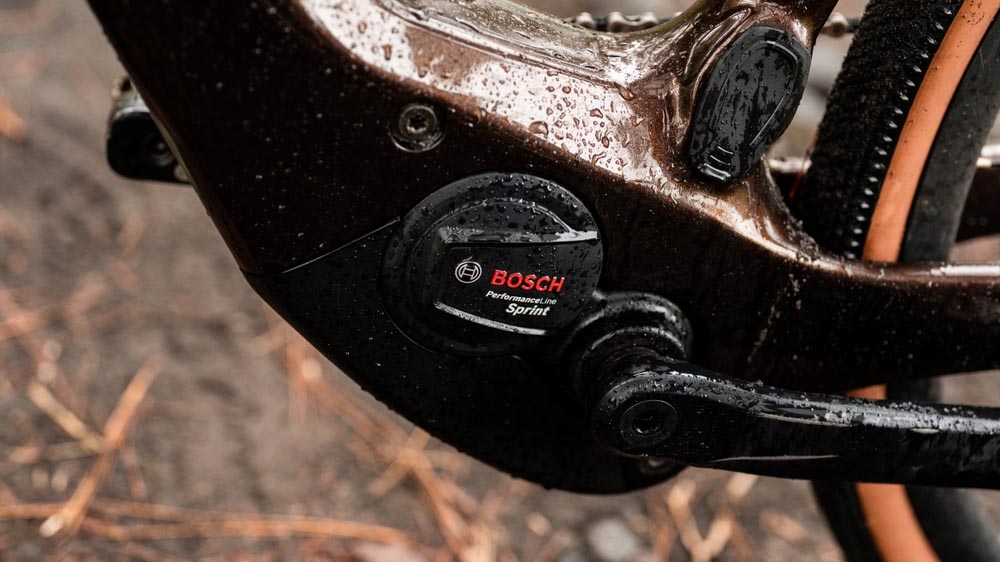
Modern electric gravel systems are now lighter and better integrated than earlier generations. Many current designs use compact motor systems that deliver assistance smoothly, helping the bike still feel close to a traditional gravel bicycle.
Battery integration has also improved significantly, so many newer designs maintain a clean frame silhouette rather than looking heavily mechanical. This means many current gravel bikes still preserve natural handling while adding useful support on difficult terrain.
3. Perfect for Bikepacking and Loaded Rides
Bikepacking quickly changes how any bike behaves because extra gear adds constant resistance.
An electric gravel bike becomes especially useful when carrying bags, water, or camping equipment because pedal assist helps offset added load during climbs and long rolling sections. The rider still works physically, but fatigue builds more slowly, which can make multi-hour or multi-day rides feel more sustainable.
When Might You Need Electric Gravel Bikes?
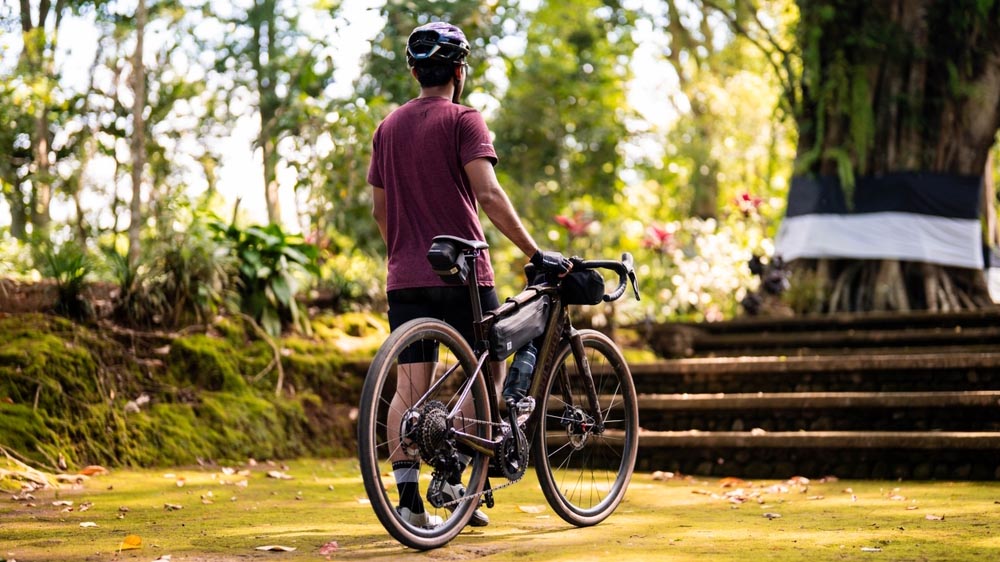
You Want to Go Farther and Longer
If route planning often stops because distance feels intimidating, electric assist can expand how far a rider feels comfortable going. Long gravel routes become easier to approach because effort can be managed more consistently across the day.
You Ride Hilly or Rough Terrain
Steep gravel climbs often demand repeated bursts of power, especially on loose surfaces where traction matters.
Electric assistance helps riders stay seated longer and maintain smoother pedaling, which often improves control during difficult climbs. For riders living in hilly regions, this becomes one of the strongest reasons to consider an electric gravel bike.
You Want More Confidence and Fun
Confidence matters on gravel because terrain changes constantly. Pedal assist often reduces hesitation when entering unfamiliar sections because riders know extra support is available if speed drops or surfaces become rougher than expected. That often leads riders to explore routes they might otherwise avoid.
Key Considerations
Even with clear advantages, there are still practical trade-offs.
Weight and Agility
The motor and battery add weight compared with a standard gravel setup. That extra weight can slightly change acceleration, lifting feel, and quick direction changes, especially for riders used to lighter bikes. Modern designs reduce this difference significantly, but it remains noticeable.
Cost
Electric gravel bikes cost more because they combine a high-performance frame with motor and battery systems. Long-term ownership also includes battery care and drivetrain maintenance, especially since assisted riding often increases total mileage.
For many riders, value depends on how often the added capability will actually be used.
Conclusion
An electric gravel bike makes the most sense when your riding goals include longer distances, steeper terrain, loaded adventures, or simply more freedom across mixed surfaces. For many riders, the biggest benefit is not pure speed, but how much more accessible difficult rides become.
For riders exploring current options, Polygon Tambora AE GX and Polygon Tambora AE GRX show how modern electric gravel bikes combine lightweight carbon construction, gravel geometry, and integrated pedal assist for mixed-terrain riding.
For a broader introduction to design, components, and riding characteristics, continue with Electric Gravel Bike 101
Read also: Tambora AE GX vs GRX Electric Gravel Bike