



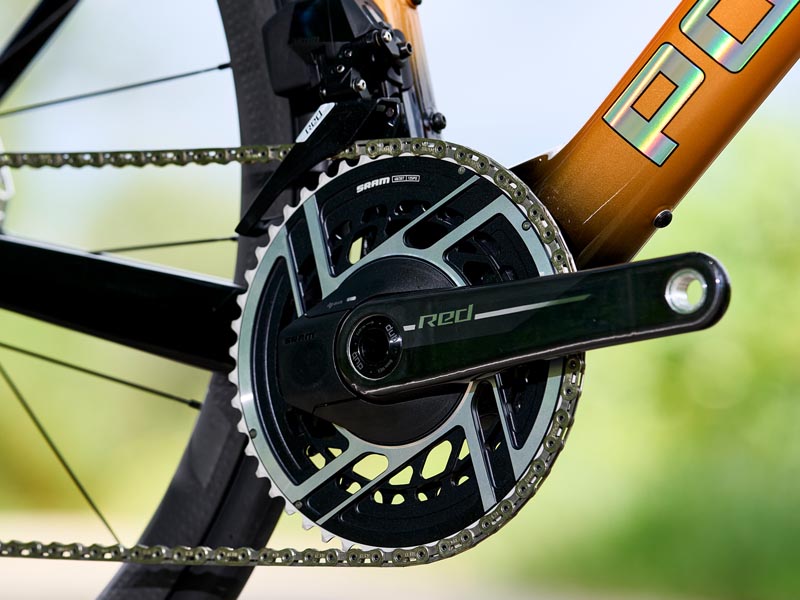
A power meter for a road bike is absolutely worth it if you are serious about structured training, tracking fitness progress, or pacing long rides and events. Unlike heart rate, which responds only after effort has already increased, power provides immediate, objective data on how hard you are pedaling.
For riders who want more than just distance or speed, it has become one of the most useful performance tools available on a modern road bicycle.
What Is a Power Meter?
A power meter is a device that measures the force you apply to the pedals and converts that effort into watts. In cycling, watts represent actual power output, showing exactly how much work you produce at any moment.
On a road bike, power meters are commonly installed in different locations depending on the system:
- Pedal-based systems
- Crank-arm systems
- Spider-based systems
- Crankset-integrated systems
Each type measures pedaling force slightly differently, but the goal is the same: to provide real-time numbers that help riders understand effort more accurately than speed alone.
Because power is measured directly, it is not affected by external conditions in the same way speed is. Riding 30 km/h with a tailwind and riding 30 km/h into a headwind may look identical on a bike computer, but power reveals the true difference in effort.
What Does a Power Meter Actually Do?
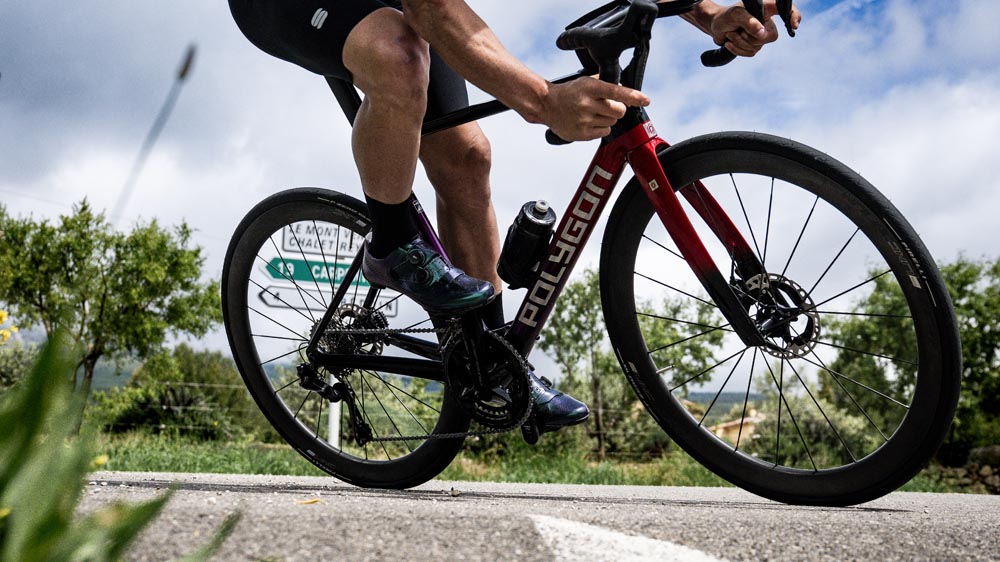 A power meter shows how hard you are working second by second. That instant feedback becomes especially valuable during training because it removes guesswork.
This becomes useful for:
- Interval training
- Threshold sessions
- Long endurance rides
- Climbing pace control
- Race preparation
A power meter also helps calculate FTP (Functional Threshold Power), which is widely used to build structured training zones. Once FTP is established, riders can divide sessions into clear intensity levels such as endurance, tempo, threshold, or VO2 max work.
That makes every ride more purposeful. Instead of simply riding harder, the rider knows exactly what training effect is being targeted.
Why Not Just Use a Heart Rate Monitor?
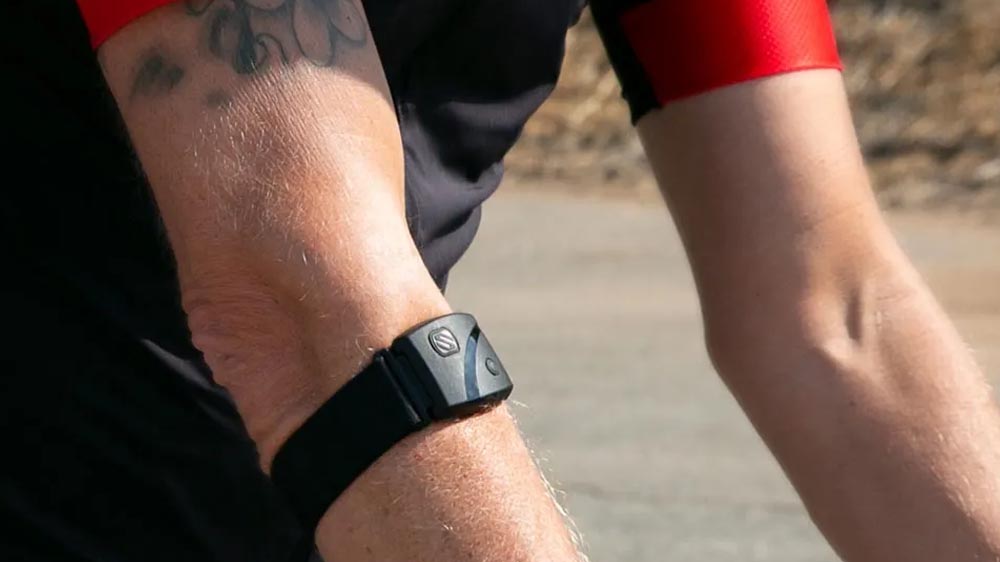 Heart rate monitors still have value, but they measure the body’s response to effort rather than the effort itself. That creates an important difference.
Heart rate usually takes time to rise. During short efforts, climbs, or sudden accelerations, the body may already be working hard before heart rate fully reflects it. Heart rate is also influenced by many outside factors, like fatigue, dehydration, heat, poor sleep, stress, and caffeine.
A rider may produce lower power on a hot day while heart rate appears unusually high. On another day, heart rate may stay low even when power output is strong. Power avoids that uncertainty because watts remain objective.
That is why many coaches use heart rate and power together, but if only one performance tool is chosen, power often provides clearer training guidance.
Key Reasons to Get a Power Meter
A power meter becomes valuable when the rider actively uses the data rather than simply recording it.
1. Structured Training Becomes More Precise
For riders following interval plans, power allows exact execution. Instead of guessing effort, each interval can match the intended target.
2. Progress Is Easier to Measure
Fitness changes become visible through numbers. Rather than relying on feeling stronger, riders can track actual improvements in average power, FTP, or sustained climbing output.
3. Long Ride Pacing Improves
Many riders start long climbs too aggressively and lose strength later. Power helps distribute effort evenly across the ride.
4. Racing and Fast Group Rides Become More Controlled
A power meter helps riders avoid unnecessary surges, manage attacks, and understand how much effort can realistically be sustained.
5. Data Becomes More Meaningful
Speed depends heavily on wind, road surface, and gradient. Power makes performance comparisons much clearer between rides.
You could also explore whether wireless electronic drivetrains are set to become the future standard for road bikes here.
Polygon Road Bikes with Power Meter
For riders looking for complete performance bikes, some of our road bike models already include advanced training-ready equipment.
The Polygon Helios A0 AXS is designed as a high-performance race-oriented road bicycle with electronic shifting and lightweight construction suited to riders targeting speed and structured performance riding.
The Polygon Helios A9 Di2 Power Meter goes further by including a dedicated power meter in its build, making it immediately ready for riders who want training data from the first ride. These models offer an advantage because the power system is already integrated rather than added later.
A power meter is not essential for every cyclist, but for riders who train seriously, it often becomes one of the most valuable upgrades available.
Read also: