






Choosing the right kids bike ensures safety, comfort, and long-term enjoyment. The best bicycle for kids isn’t simply based on age.
But it’s about proper fit, manageable weight, and the right features for their skill level. When a bike fits well, children feel confident. And confidence is what turns learning into fun.
Know Your Child’s Age & Height (Fit Comes First)
The most important rule in this kids bike buying guide: prioritize height and inseam over age.
Kids’ bikes are sized by wheel diameter (12″, 16″, 20″, etc.), not frame size like adult bikes. To get the right fit:
- Measure your child’s height
- Measure their inseam (crotch to floor)
- Make sure they can stand over the bike with both feet flat on the ground
General wheel size guide:
| Wheel Size | Approx. Age | Height Range |
| 12″ | 2–4 years | 80–100 cm |
| 14–16″ | 3–6 years | 90–120 cm |
| 20″ | 5–8 years | 115–135 cm |
| 24″ | 8–11 years | 130–145 cm |
These are general references. Fit always matters more than age. A bike that’s too big feels intimidating and unsafe. A properly sized children bike makes balancing and braking much easier.
Key Features to Look For When Buying a Bicycle for Kids
 1. Lightweight Alloy Frame
Weight matters more than most parents realize. A heavy steel bike can feel difficult for kids to steer or lift. Look for a lightweight alloy frame. It’s easier to handle, more rust-resistant, and helps children build control faster. A lighter kids bike means less struggle and more riding time.
2. Chain Guard
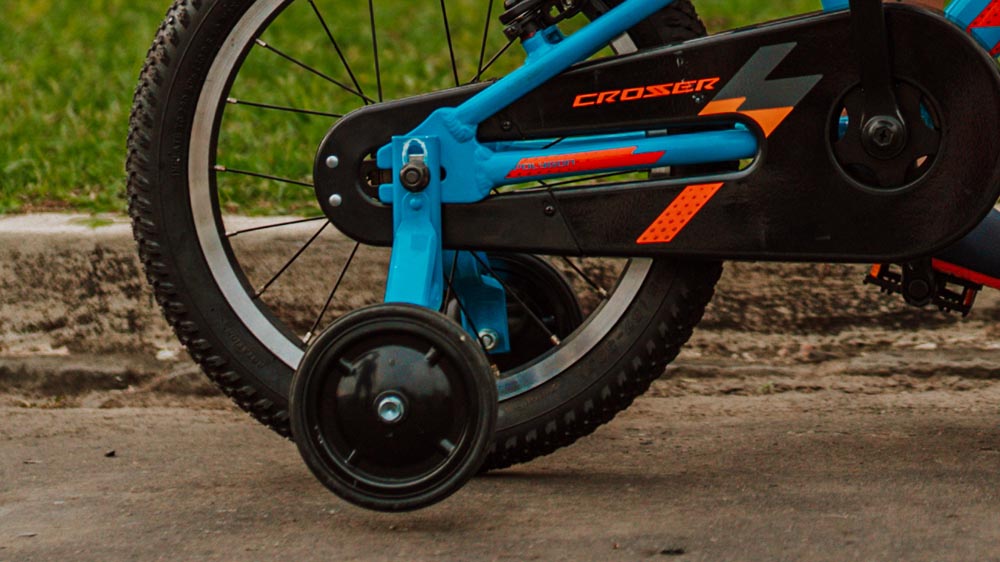
A chain guard protects little fingers and clothing from getting caught in the drivetrain. For beginner riders, this feature adds safety and reduces maintenance mess from grease. It’s a simple addition, but a very important one.
3. Fender
Fenders help protect kids from mud and water splashes. If your child rides in parks, neighborhoods, or mixed surfaces, fenders keep clothes cleaner and rides more comfortable.
4. Brakes: Coaster vs Hand Brakes
For younger riders (under 6), coaster brakes (pedal backward to stop) are simple and intuitive.
For older kids, especially on 20″ and 24″ bikes, hand brakes teach proper cycling skills and give better stopping control.
Make sure your child can comfortably squeeze the brake levers. If their hands are too small to reach properly, the bike may not be the right fit.
Types of Bicycles for Kids to Consider
Balance Bikes (Ages 2–4)
Balance bikes have no pedals. Kids push with their feet and learn balance naturally.
They’re ideal for toddlers because:
- They build coordination first
- They remove the fear of pedaling
- They make the transition to a pedal bike much easier
Many children who start with balance bikes skip training wheels entirely.
First Pedal Bike (Ages 3–6)
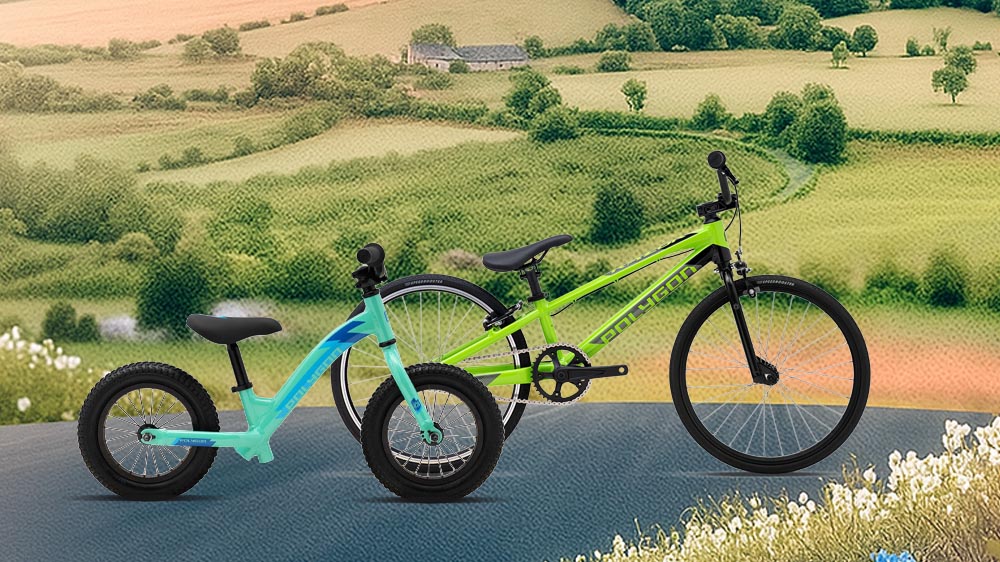 Once balance improves, it’s time for a pedal bike.
For early pedal riders, consider models that are lightweight and simple to operate. Polygon offers excellent beginner options, such as:
- Polygon Razor Kids: Stable, easy-to-control geometry designed for young riders.
- Polygon Relic 20: Great step-up option with confidence-inspiring handling.
- Polygon Xtrada 20: A more sporty junior bike feel for kids ready for longer rides or light trails.
If your child rides on mixed surfaces, a junior bike with slightly wider tires provides better stability.
Test Ride, Budget & Final Tips
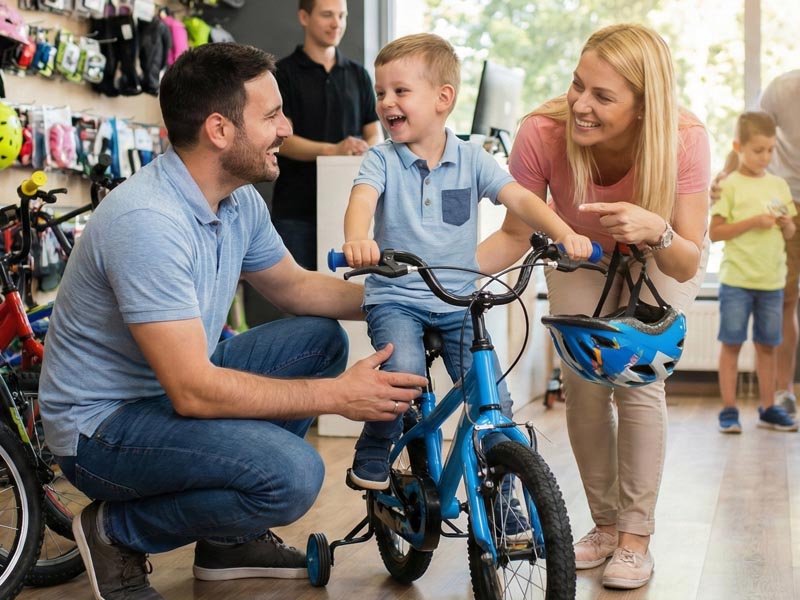
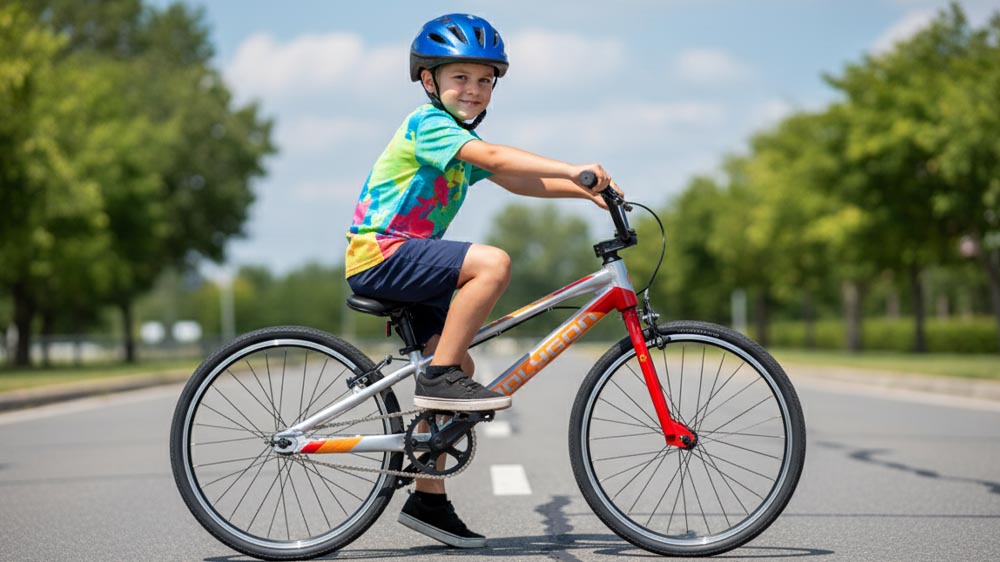 If possible, let your child test ride the bike before buying. They should be able to stand over the frame with both feet flat on the ground, reach the brakes easily, and control the bike without it feeling too heavy. Kids usually show right away if they feel comfortable; confidence is a good sign that the fit is right.
In terms of budget, entry-level bikes are simple and suitable for beginners, while mid-range and higher-end options offer lighter frames, better components, and gears for growing riders.
Avoid overly heavy “toy-like” bikes that compromise safety and handling. A quality kids bike is an investment in comfort, confidence, and long-term use.
At the end of the day, choosing the right bicycle for kids comes down to proper fit, manageable weight, and the right features. Measure carefully, pick the correct wheel size, and always prioritize safety and comfort over appearance.
Read also: