


Steep climbs can feel intimidating, especially when your legs start burning halfway up. But professional riders aren’t just stronger, they’re smarter with their technique. Learning how to climb hills on a road bike efficiently is about cadence, body position, and smart pacing.
In this guide, you’ll discover the same climbing principles used by elite cyclists, explained in a way that’s easy to apply on your next road bicycle ride.
Why Technique Beats Strength on Australian Climbs?
Raw leg power will only get you so far on Australia’s toughest ascents. Whether you’re grinding up Mount Buller, tackling Mount Hotham, or pushing through the Old Pacific Highway, efficient technique is what separates riders who summit strong from those who blow up halfway.
Holding a steady cadence of 80–90 rpm keeps fatigue at bay over long efforts, while smart transitions between seated and standing positions help road cyclists manage energy without burning unnecessary matches. Factor in conditions like coastal headwinds, summer heat, and rolling terrain, and technical adaptability becomes just as important as fitness.
The mental side matters too. Break the climb into segments, hold your rhythm, and stay composed. Technique, not power, is what gets you to the top feeling in control.
Core Climbing Techniques
 1. Cadence Climbing: Spin Like the Pros
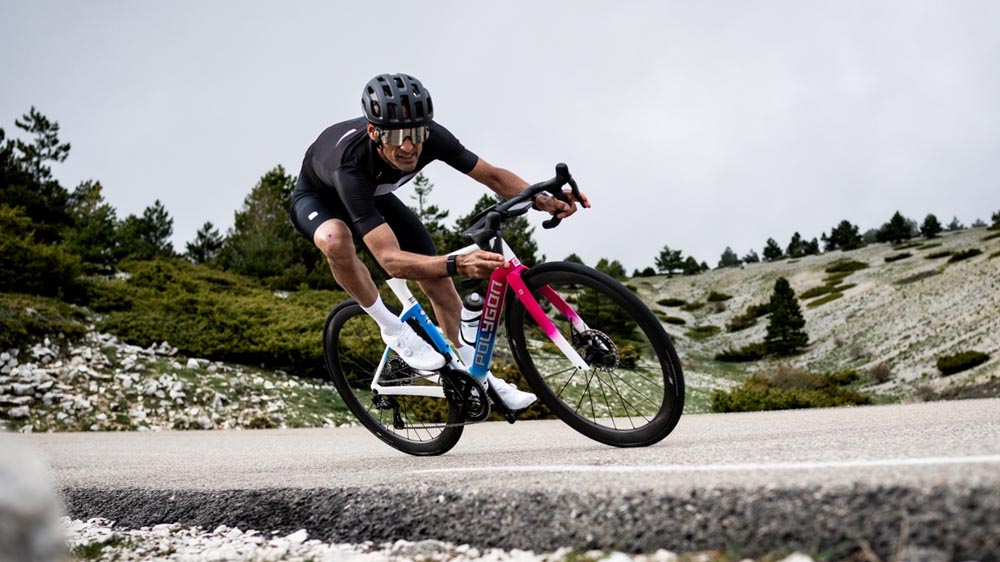
One of the biggest secrets of elite climbers is cadence control.
Instead of grinding a heavy gear, pros aim to maintain a high, consistent cadence. This keeps muscles fresher and reduces early fatigue.
A practical target:
- 80–95 RPM on most climbs
- Smooth, circular pedal strokes
- Shift early, before the climb gets steep
This technique keeps momentum alive and helps you climb longer without burning out your legs.
2. Pacing Strategy: How Pros Survive Long Climbs
One of the most overlooked parts of learning how to climb hills on a road bike is pacing. Beginners often start too hard and fade quickly. Pros do the opposite.
A simple pro-style pacing approach:
- Start slightly easier than you think you can handle
- Set a rhythm you can maintain for the full climb
- Increase effort only in the final section
This strategy keeps your legs alive when others begin to crack.
3. Gear Selection: Climb Smarter, Not Harder
Smart shifting is critical when learning how to climb hills on a road bike.
Good habits include:
- Shifting to easier gears early
- Avoiding gear changes under heavy load
- Keeping your chainline as straight as possible
Modern Polygon road bikes are equipped with smooth, reliable drivetrains that make climbing more fluid and less stressful, even under load.
Seated vs Standing: When Pros Sit and When They Stand
 Knowing how to climb hills on a road bike also means knowing when to stay seated and when to stand.
Seated Climbing
This is the most efficient and commonly used technique.
Benefits:
- Better rear-wheel traction
- Lower heart rate
- More sustainable over long climbs
Best used for:
- Long, steady gradients
- Rough or slippery surfaces
Standing Climbing
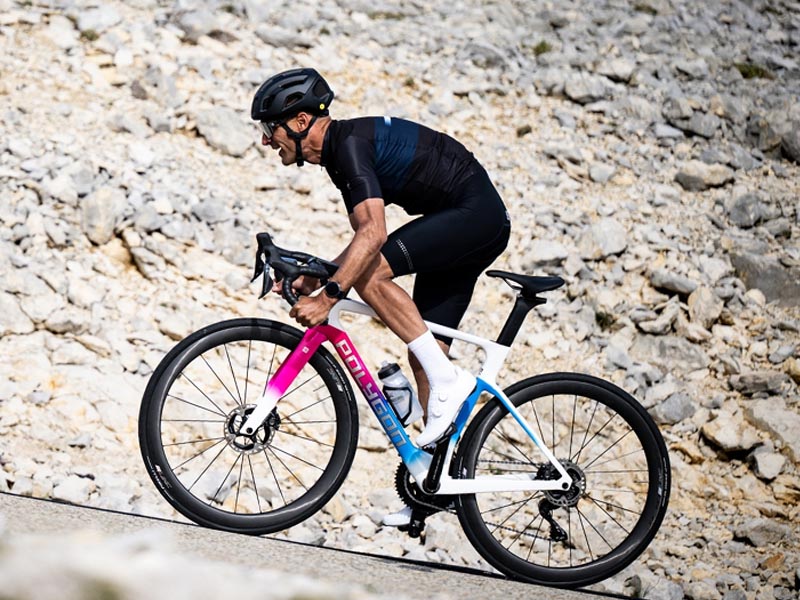
Pros stand when they need bursts of power.
Best for:
- Short, steep ramps
- Accelerating over crests
- Changing muscle activation to reduce fatigue
The key is to stand briefly, then return to seated climbing to conserve energy.
How the Right Bike Makes Climbing Easier
Equipment won’t replace technique, but it can amplify your effort.
Polygon road bikes are designed with lightweight frames and efficient geometry to help riders climb more efficiently.
Polygon Strattos S Road Bike Series
 Perfect for endurance and climbing-focused riders:
- Lightweight alloy frame options
- Upright yet efficient riding position
- Excellent stability on long ascents
Polygon Helios A Road Bike Series
 Built for pure performance:
- Lightweight carbon construction
- Stiff bottom bracket for better power transfer
- Race-inspired geometry for efficient climbing
These bikes give you a clear advantage when learning how to climb hills on a road bike over real-world terrain.
Professional Climbing Checklist for Australian Road Cyclists?
1. Understand the Route
Australia’s climbs don’t forgive riders who show up underprepared. Before tackling any ascent, get across the essentials: gradient, length, elevation gain, and current road conditions.
Iconic road cycling destinations like Mount Buller (VIC), Mount Hotham (VIC), and the Old Pacific Highway (NSW) will test even seasoned riders. Knowing what’s ahead means smarter energy management and a pace you can actually sustain to the top.
2. Optimise Body Position and Pedalling Technique
Getting the most out of your road bike on a long climb starts with how you sit and move. Stay seated to conserve energy across extended efforts, and throw in short standing bursts when you need a power boost or a quick change of muscle activation.
Keep your upper body relaxed, your grip light on the bars, and your pedalling smooth and circular.
3. Implement Strategic Pacing
One of the most common mistakes road cyclists make is attacking a climb too hard off the bottom. Start controlled, find your rhythm, and break the ascent into manageable chunks. Aim for a cadence of 80–90 rpm, only dropping lower for deliberate power efforts. If you’re serious about pacing, a power meter takes the guesswork out completely.
Speaking of which, if you’re after a road bike with a built-in power meter, the Helios A0 AXS and Helios A9Di2 PM are worth a serious look.
4. Adapt to Terrain and Environmental Conditions
Australian roads throw a wide variety of challenges at road cyclists. Summer climbing in the Victorian Alps and Snowy Mountains demands serious heat management, hydrate early and often, and respect what the sun does to your output.
Coastal road bike routes along the NSW and Queensland coastlines mean dealing with headwinds and sea breezes, so dial in your aerodynamic position before you hit the climb. The rolling terrain through the Adelaide Hills and Dandenong Ranges is a different puzzle again, nail your gear transitions and carry momentum wherever you can.
5. Focus and Recovery
When the gradient bites, keep your head in the game. Focus on the next landmark, not the summit, breaking the climb into mental segments makes the effort feel far more manageable.
Once you’re over the top, resist the urge to stop dead. A 10–15 minute easy cooldown helps flush the legs, followed by targeted stretching and a solid hit of carbohydrates and protein. Good recovery isn’t optional, it’s what lets you get back on the road bike and do it all again tomorrow.
Read also:
Final Thoughts: Climb with Technique, Not Ego
The real secret to how to climb hills on a road bike isn’t brute force, it’s control, rhythm, and patience.
By adopting pro-level cadence, smart body positioning, and disciplined pacing, you’ll start climbing faster, smoother, and with far less suffering.
And with a well-engineered road bike from Polygon, every hill becomes a challenge you’re ready to conquer.