


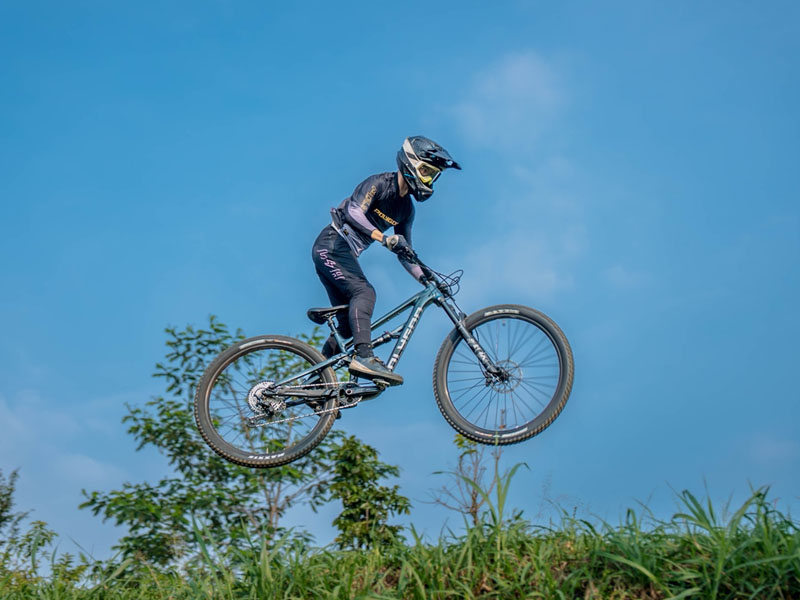
Mountain biking never stands still but 2026 feels like a year where the industry is pausing to ask “what actually works?” rather than, chasing the next big number. The longer, lower, slacker geometry trend delivered real benefits, but many in the industry now feel MTB geometry has hit a peak and the focus is shifting toward refining what works rather than pushing further extremes.
At the same time, tire technology, modular frame design, and a growing pushback against over-engineered “trends for trends’ sake” are reshaping what riders actually want from their bikes, and from the sport itself.
Here’s what’s changing in 2026, and what it means for your next ride.
1. Geometry: From “Longer and Slacker” to “Smarter and Balanced”
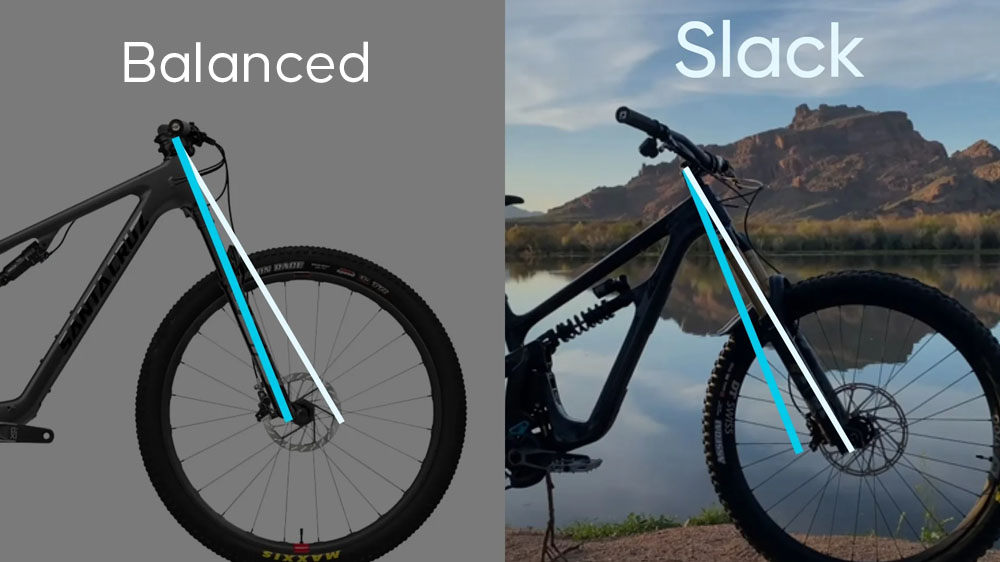
For years, the formula was simple: longer reach, lower stack, slacker head angle. But riders and builders are now recalibrating.
Industry voices are pointing out that chainstays have gotten longer and pivots higher, and now stack height needs to follow, with higher bars and stack making bikes feel more stable and responsive rather than stretched-out and low.
What this means for riders: If you’ve felt like modern “long and low” geometry puts you in an awkward, overly stretched position, you’re not alone, and 2026 builds are starting to address exactly that.
2. Tire Technology Takes the Spotlight
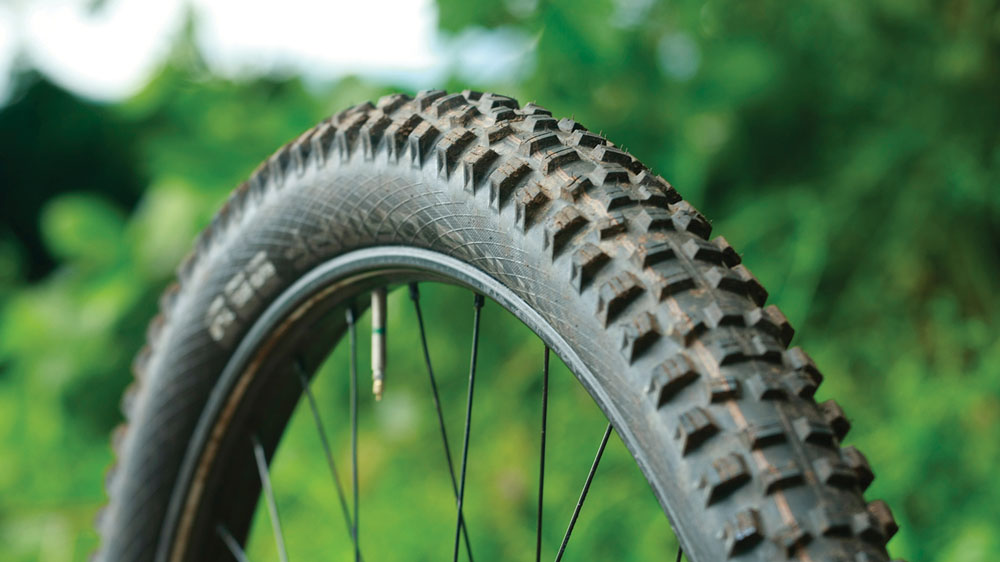
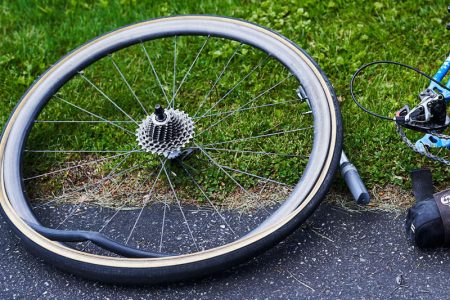
If 2025 was about frames and suspension platforms, 2026 is shaping up to be the year tires take center stage. Tire technology is set to dominate MTB trends in 2026, with super-wide tire profiles emerging as a major focus.
This shift reflects a broader theme: 2026 is blending cutting-edge technology, performance, and sustainability, with the lines between mountain biking and gravel riding continuing to blur.
What this means for riders: Expect more tire options designed for multi-surface confidence — useful whether you’re riding singletrack one day and a gravel link-up the next.
Read also:
3. The Slow Death of Through-Headset Cable Routing
Few trends have generated as much rider frustration as through-headset cable routing — and 2026 looks like the year it starts to fade.
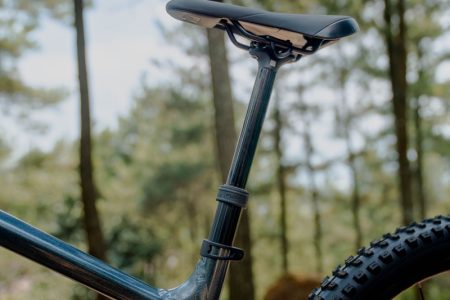
The setup, originally borrowed from road and gravel bikes for aesthetic and aerodynamic reasons, causes real maintenance headaches: tight clearance between the headset and fork accelerates cable and hose wear, making repairs more frequent and costly.
As a result, this routing style has already begun declining in popularity.
What this means for riders: If you’ve struggled with stem adjustments or premature cable wear, you’re not imagining it — and the industry is starting to listen.
4. Modular Bikes: One Frame, Multiple Personalities
One of the more exciting shifts for 2026 isn’t about a single component — it’s about flexibility. More brands are expected to offer modular trail and all-mountain bikes with numerous travel options, wheel configurations, and geometry tweaks built into a single frame platform.
What this means for riders: Instead of owning separate bikes for separate riding styles, one well-designed frame could adapt to your trail, your travel, and your mood — a big win for riders who want versatility without compromise.
5. E-MTB Durability Over Marginal Weight Savings
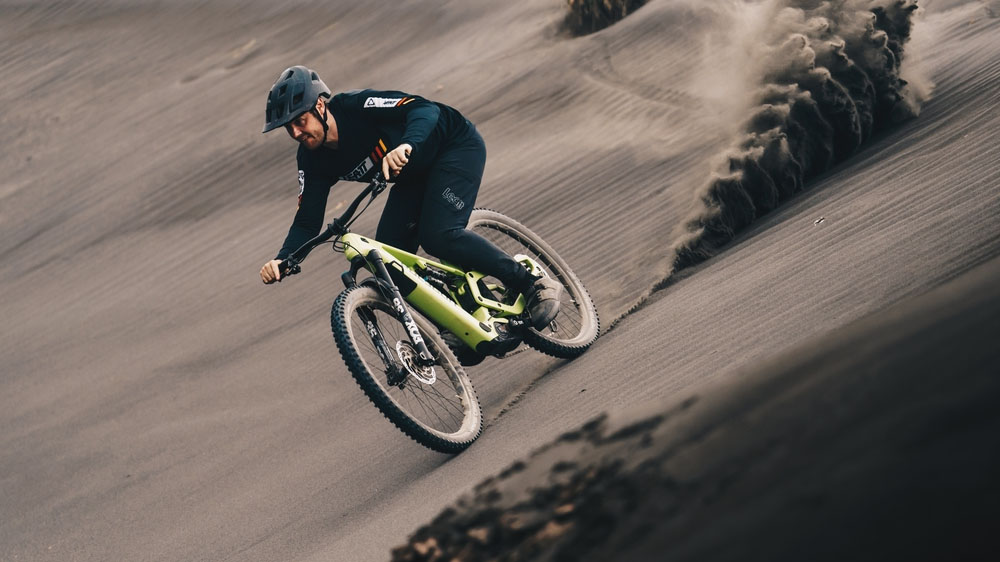
As e-MTBs continue to grow in popularity, 2026 brings a notable shift in priorities for tire choice. There’s a growing push for eMTBs to move away from lightweight trail-casing tires in favor of more durable options, prioritizing reliability over small weight savings.
What this means for riders: If you’re running an e-MTB, expect manufacturers to lean toward tougher, more puncture-resistant tire builds — a sensible trade-off given the extra power and weight e-bikes already carry.
6. A Cultural Shift: Less Strava, More Stoke
Perhaps the most refreshing change in 2026 isn’t technical at all — it’s cultural. There’s a growing conversation about stepping back from the constant pursuit of better times and KOMs on tracking apps, recognizing that this competitive obsession can detract from the simple joy of exploring trails.
This mirrors a broader community mood for the year. MTB riders are increasingly embracing a “run-what-ya-brung” mentality — you don’t always have to be on the latest and greatest gear to enjoy a ride — alongside more open conversations about positive mental health within the riding community.
What this means for riders: 2026 feels like a year where the trail itself, not the leaderboard — is becoming the point again.
Evolution, Not Revolution
2026 isn’t about a single headline innovation — it’s about an industry recalibrating. Geometry is being refined rather than pushed further. Tire technology is stepping into the spotlight. Frustrating trends like through-headset routing are finally facing real pushback. And riders, as a community, seem to be rediscovering why they got on a bike in the first place.
At Polygon, this mindset isn’t new — it’s been part of our approach all along: build bikes that are engineered thoughtfully, adapt to how people actually ride, and let the trail experience speak louder than spec-sheet hype.
Read also: MTB 101 Comprehensive Guide