


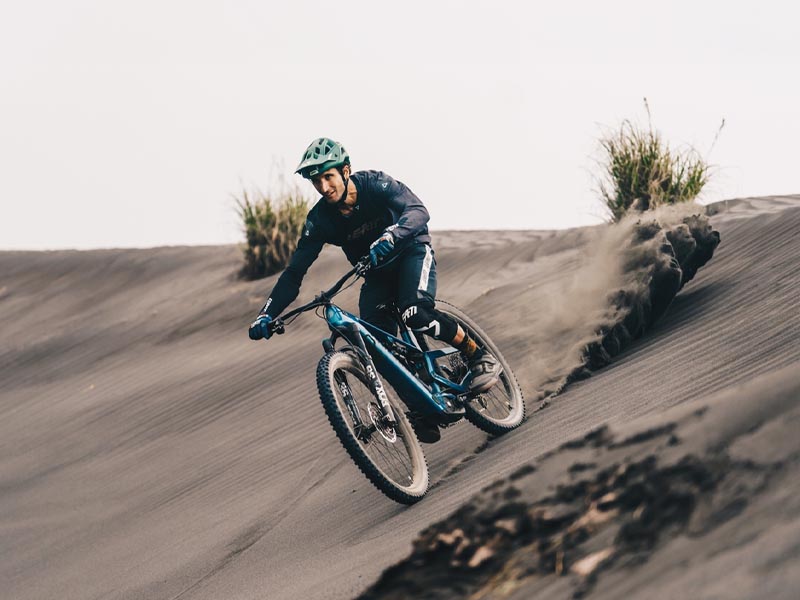
Electric mountain bikes, or E-MTBs, are rugged pedal-assist bicycles built for off-road terrain. They combine a powerful motor, rechargeable battery, and mountain-bike suspension to amplify your pedaling on climbs and technical trails. The result is an electric mountain bike that helps you ride farther, tackle steeper terrain, and enjoy more trail time while still requiring skill and effort from the rider.
Key Features of an E-MTB
An E-MTB shares many components with a traditional mountain bike, but several features make it unique.
1. Electric Motor
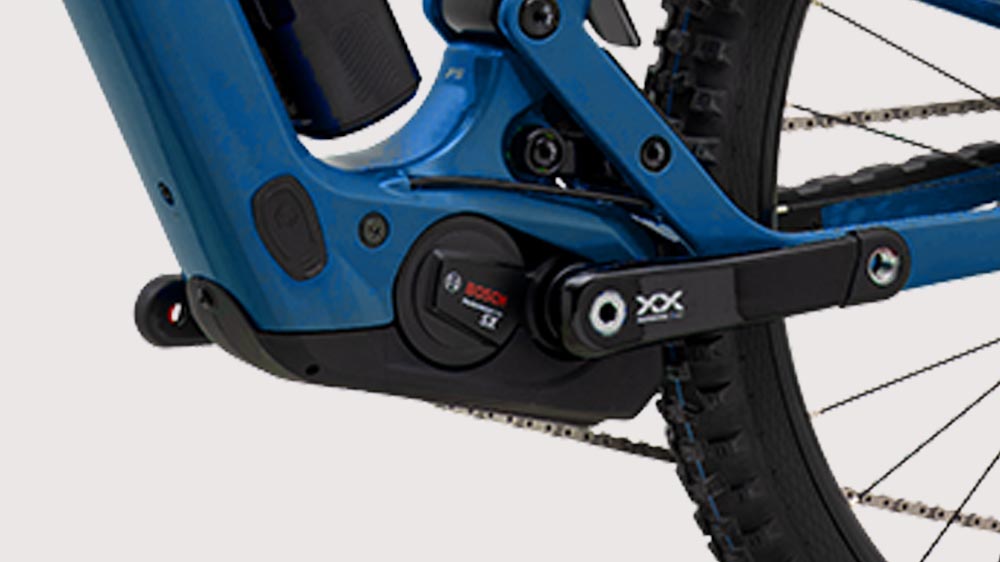
The motor provides pedal assistance whenever you turn the cranks. Most trail-focused models use mid-drive motors positioned near the bottom bracket for better balance and more natural handling.
Motor output is often measured in torque (Nm). Higher torque makes steep climbs easier, especially on loose terrain where traction is critical.
2. Battery
The battery powers the motor and determines how far you can ride with assistance. Capacity is measured in watt-hours (Wh).
Smaller batteries around 400 Wh are lighter and ideal for shorter rides, while 600–800 Wh batteries are better suited to long trail adventures and repeated climbs.
3. Wider Tires
Most electric mountain bikes use wide, high-volume tires for traction and stability. These tires improve grip on roots, rocks, and loose dirt while helping absorb trail vibrations.
4. Heavier Frames
Because they include a motor and battery, E-MTBs are heavier than regular mountain bikes. This added weight increases stability but also affects braking distance, cornering, and the bike’s response on technical terrain.
E-MTB vs Regular MTB: What’s the Difference?
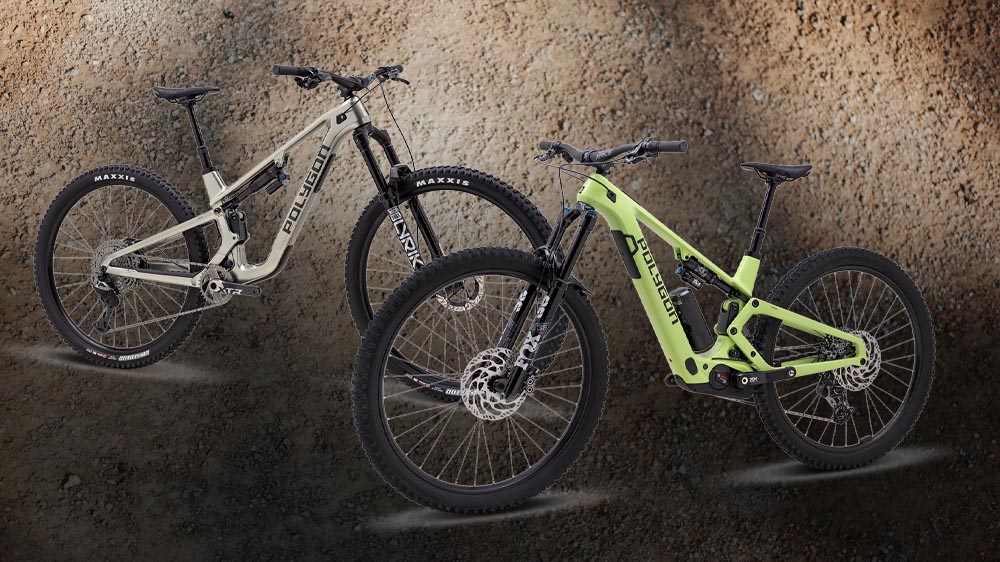
The biggest difference between an E-MTB and a regular MTB is pedal assistance. On an electric mountain bike, the motor adds power as you pedal, making climbs easier and allowing you to cover more ground with less fatigue.
Power and Riding Experience
- Regular MTB (Mountain Bike): Relies 100% on human strength. Every climb requires maximum physical effort, giving you a pure, traditional cycling workout.
- E-MTB (Electric Mountain Bike): Uses pedal-assist to amplify your pedaling force. It helps you conquer steep climbs easily, ride much faster, and cover longer distances without exhausting yourself. You still get a good workout, but with less strain.
Weight and Handling
- MTB: Much lighter. This low weight makes it very agile, easy to lift over obstacles, and fun to maneuver or jump on descents.
- E-MTB: Heavier and bulkier due to the motor and battery. The extra weight makes it feel less nimble in the air, but it adds stability and traction when riding over rough, rocky ground
Price and Maintenance
- MTB: Generally cheaper to buy and simpler to fix. Maintenance requires standard bicycle care without electronic components.
- E-MTB: More expensive upfront. It also requires charging the battery and specialized care for the motor and electronic systems.
Ride Experience Comparison
| Aspect | MTB | e-MTB |
| Uphill climbing | Requires substantially higher rider power output and cardiovascular effort | Motor assistance reduces rider workload and makes steep climbs significantly easier |
| Physical workout | Higher heart rate and energy expenditure | Slightly lower heart rate and energy expenditure, but still a meaningful workout |
| Distance & elevation covered | More limited by rider fitness and fatigue | Riders tend to go farther, climb more, and ride at higher speeds |
| Fatigue over long rides | Fatigue accumulates faster, especially on repeated climbs | Less fatigue, allowing longer rides or more laps |
| Technical descents | Lighter bike can feel more agile and easier to maneuver | Heavier bike generally feels more planted but can require more effort to change direction |
| Trail coverage per ride | Fewer laps/routes for a given effort | More trail and elevation in the same amount of time |
A traditional MTB prioritizes physical challenge, requiring riders to generate all the power themselves, making climbs more demanding and workouts more intense.
In contrast, an e-MTB uses electric assistance to reduce effort, especially on steep ascents, allowing riders to travel farther, climb more elevation, and spend more time on the trail while still achieving a significant level of cardiovascular exercise.
As a result, the choice is less about exercise versus no exercise, and more about whether you prefer maximum physical exertion or greater range and trail access with less fatigue.
How to Ride Your First E-MTB?
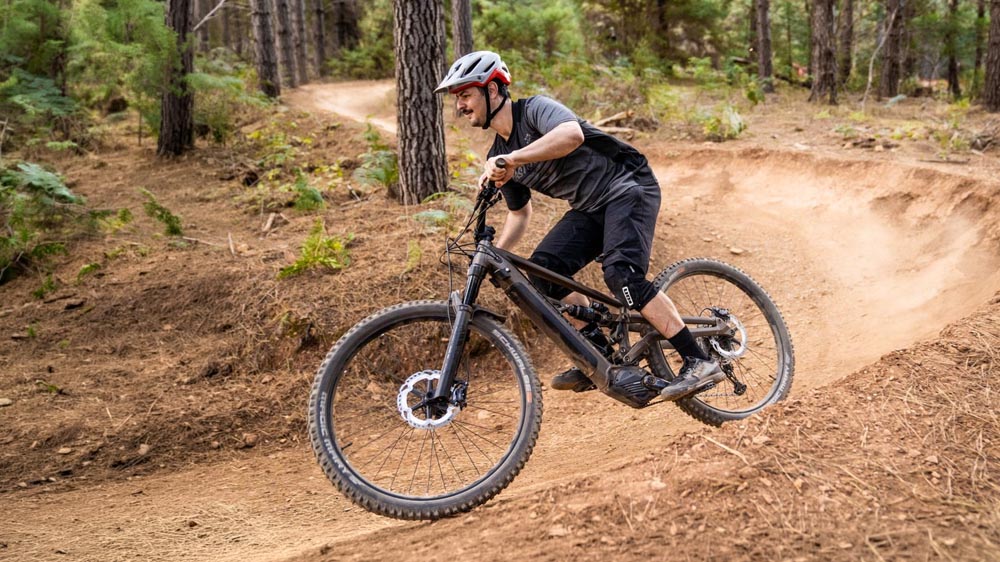
Riding an electric bike off-road feels different at first, but a few simple habits make the learning curve much easier.
- Start in Eco Mode: Eco mode provides gentle assistance and helps you understand how the motor responds. It also improves battery range and reduces the chance of sudden power surges.
- Keep a Steady Cadence: Smooth pedaling produces smoother motor assistance. Try to maintain a consistent cadence rather than stomping on the pedals, especially when climbing or exiting corners.
- Don’t Just Rely on the Motor While Climbing: The motor helps, but technique still matters. Stay seated for traction, shift your weight forward when needed, and choose clean lines over roots and rocks.
- Brake Earlier: An E-MTB is heavier and often carries more speed uphill and downhill. Begin braking sooner and use both brakes progressively for better control.
- Know Your Battery Capacity and Range: Range depends on terrain, rider weight, assist mode, and riding style. Learning how quickly your battery drains helps you avoid ending a ride with no assistance left.
How to Choose Your First E-MTB?
Choosing your first electric mountain bike is easier when you focus on where and how you plan to ride.
1. Decide Where You Will Ride
For light trails and smoother terrain, a hardtail E-MTB may be sufficient. For rougher singletrack, roots, and descents, full suspension offers better comfort and control.
2. Pay Attention to the Motor and Battery
A well-supported motor system with predictable power delivery is more important than simply choosing the highest numbers. For most beginners, a balanced motor and a 400–700 Wh battery provide an excellent combination of performance and range.
3. Choose the Lightest Model You Can Afford
Lighter bikes feel more agile and easier to handle. While all E-MTBs are heavier than regular MTBs, reducing overall weight improves responsiveness and confidence.
4. Set Your Budget
Entry-level models can be excellent for new riders, while higher-end bikes typically offer lighter frames, better suspension, and more advanced components. Choose a bike that fits both your riding goals and long-term commitment.
Best E-MTB Lineups from Polygon Bikes
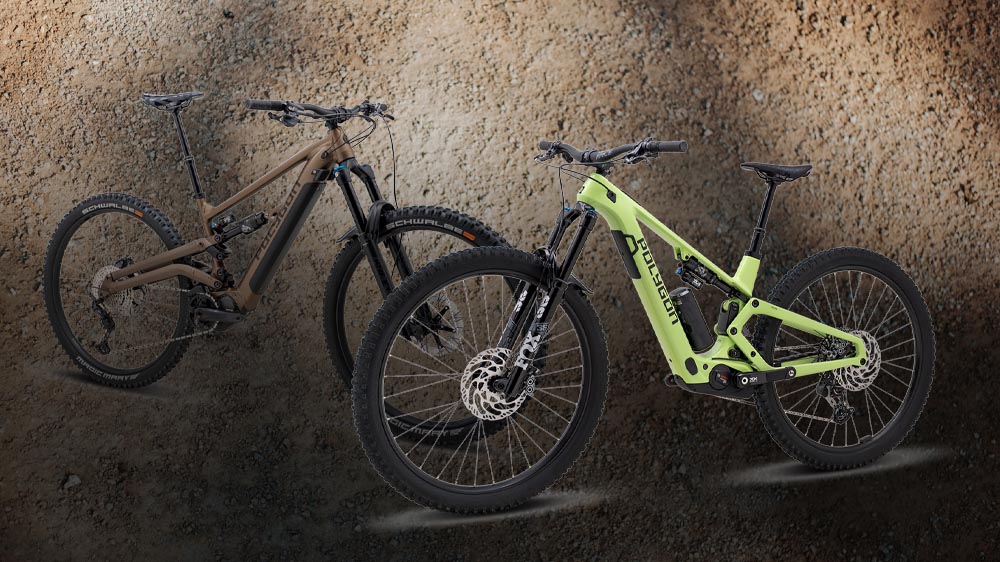
Polygon Bikes offers two standout E-MTB lineups for riders looking to explore electric mountain biking. The Polygon Collosus TLE is designed for serious trail riding, combining advanced suspension with powerful motor systems for demanding terrain with its Bosch 400Wh battery.
The Polygon Collosus NE provides a capable and versatile platform for riders who want confident handling and reliable pedal assistance on a wide range of trails This bike use the 630Wh Shimano BT-EN806.
Both lineups are built to help riders climb farther, descend with confidence, and experience the full potential of modern electric bikes.
By understanding how the motor, battery, and added weight affect handling, beginners can ride with more confidence from day one. Whether you choose a lightweight trail bike or a full-power machine, the best electric mountain bike is the one that matches your terrain, riding style, and goals.
Read also: