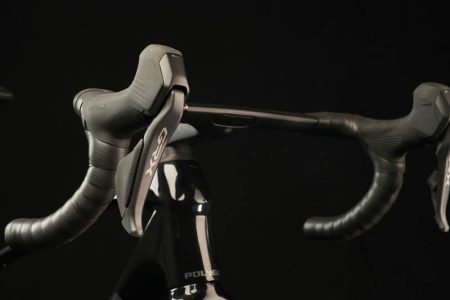










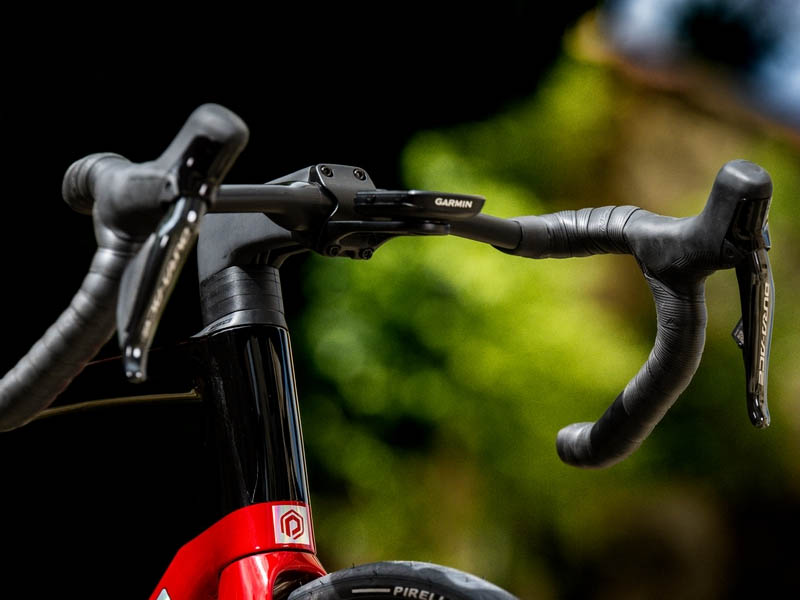
Integrated cockpits are becoming a defining feature of high-end road bikes, combining the handlebar and stem into a unified, performance-focused design.
The appeal is practical as much as visual: a streamlined shape can reduce aerodynamic drag, hidden cables create a cleaner front end, and the integrated structure gives designers greater control over weight and stiffness. It is a design approach that fits naturally with modern road cycling, where every component is expected to contribute to overall performance.
Types of Integrated Cockpits
The term integrated cockpits can refer to different setups. The main distinction is whether the handlebar and stem form one fixed component or remain separate within a more modular system. That difference has a direct impact on fit adjustment and component replacement.
1. One-Piece Integrated Cockpits
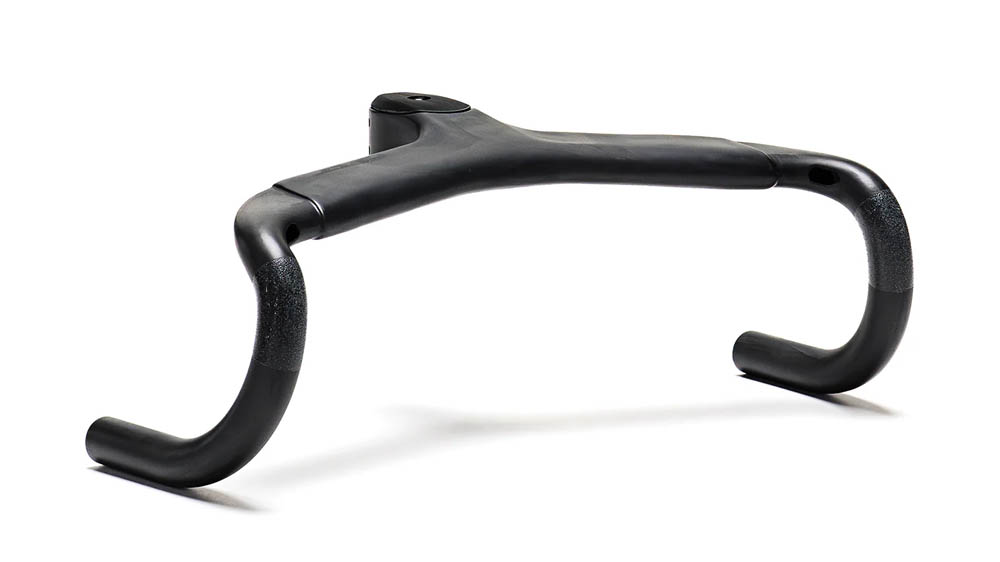
A one-piece cockpit combines the handlebar and stem into a single structure. With no separate stem-to-bar connection, the complete unit can be shaped and engineered as one component.
This approach is common on performance-focused road bikes, but sizing needs more attention. Stem length and handlebar dimensions are tied to the same unit, leaving less flexibility if the riding position needs to change later. Depending on the system, adjusting those dimensions may mean replacing the entire cockpit.
2. Semi-Integrated (Modular) Cockpits
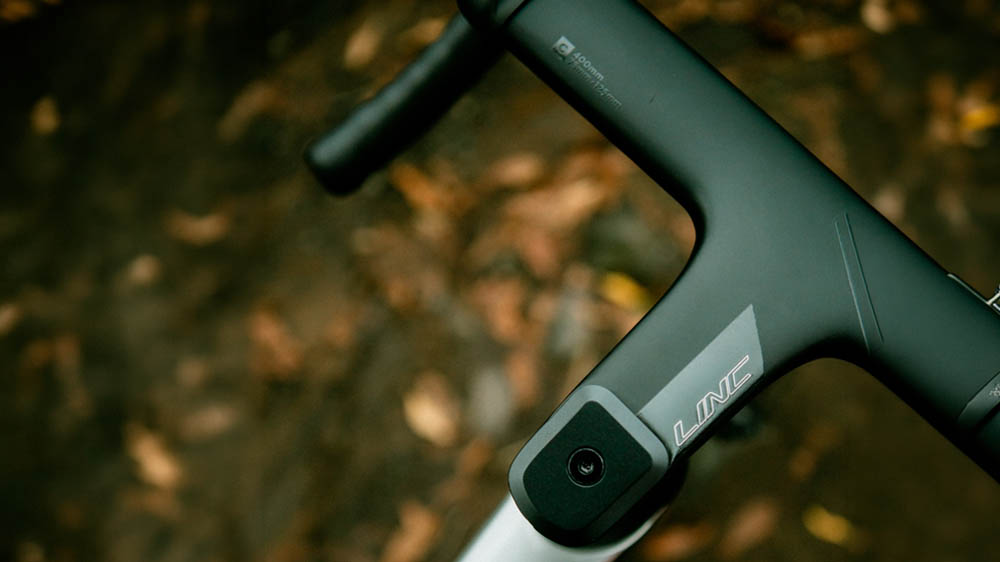
Semi-integrated systems keep the handlebar and stem as separate components while maintaining a streamlined cockpit design. Depending on the system, cables and hydraulic hoses can still be routed internally for a tidy front end.
The advantage is greater flexibility. A rider may be able to change the stem or handlebar independently, making it easier to fine-tune the position without replacing the complete setup. For a road bicycle where fit may still need adjustment, this modular approach can be more practical.
Key Benefits of Integrated Cockpits
For performance road cycling, integrated cockpits give manufacturers more freedom to refine the front of the bike around aerodynamics, weight, and stiffness.
- Aerodynamic Performance
The handlebar sits directly in the airflow, so its shape matters at higher speeds. An integrated cockpit can use a streamlined profile with fewer exposed transitions between the handlebar and stem, helping reduce aerodynamic drag.
Internal routing also keeps cables and hoses away from the airflow, allowing the cockpit to contribute to the overall aerodynamic design of a road bike.
- Clean Aesthetic
With cables and hoses routed internally, the handlebar, stem, and head tube appear noticeably less cluttered. This uninterrupted profile gives modern performance road bikes the sleek, refined front end closely associated with integrated designs.
- Weight Savings
A one-piece cockpit can eliminate some of the hardware and overlapping material required by separate handlebars and stems. Depending on the design, this can reduce weight while retaining the performance advantages of an integrated setup.
- Weight and Stiffness Optimization
Integration allows designers to control how material is distributed through the cockpit instead of engineering the handlebar and stem separately. Stem height can influence vertical stiffness, while the width around the stem junction affects torsional stiffness.
These variables can be tuned together, allowing weight and stiffness to be balanced within a single structure rather than simply making the cockpit as light as possible.
The Tradeoffs of Integrated Cockpits
The cleaner, more streamlined design comes with a few practical considerations. The main ones involve fit adjustment and the extra work that may be required when components need replacing.
- Limited Fit Adjustability
With a conventional cockpit, riders can swap the stem or handlebar independently. A one-piece design offers less flexibility because stem length and handlebar dimensions are fixed within the same component.
If the setup does not match the rider’s position, replacing the complete cockpit may be necessary. This makes choosing the correct dimensions especially important before committing to a one-piece system.
- Higher Replacement Costs
Internal routing can make component replacement more involved. When hydraulic brake hoses run through the cockpit and headset, changing the handlebar or stem may require disconnecting and rerouting the hydraulic system.
Compared with a conventional road bike cockpit, this can add workshop time, labor, and potentially new parts to what would otherwise be a simpler replacement.
Why Integrated Cockpits Make Sense for Modern Road Bikes?
The growing presence of integrated cockpits reflects how modern road bikes are being designed as complete systems. The cockpit is no longer treated as an isolated component; its shape, routing, weight, and structure can all contribute to how the bike is designed to perform.
For riders considering a performance-focused road bicycle, including options from Polygon, cockpit design is worth looking at alongside the frame and components. A fully integrated setup prioritizes a streamlined design, while a modular system leaves more room for fit adjustments.
As road cycling continues to place greater emphasis on aerodynamic integration and refined bike design, it is easy to see why integrated cockpits have become increasingly common at the performance end of the category.
Read also: