


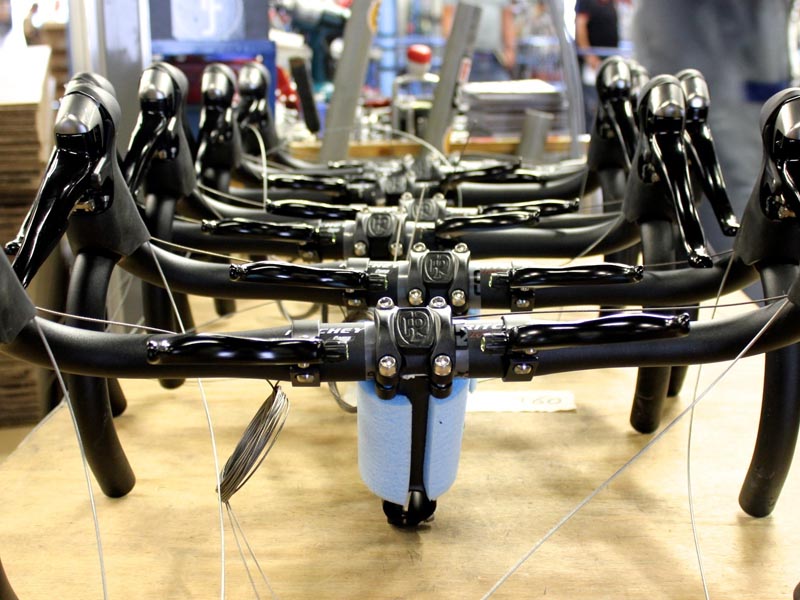
Road bike handlebars are the main steering component of a road bicycle, typically recognized by their distinctive drop-bar shape that curves forward and downward. This design allows riders to switch between several hand positions, helping balance comfort, control, and aerodynamics throughout a ride.
Choosing the right handlebars matters more than many riders realize. It directly affects riding posture, breathing efficiency, and overall comfort on longer rides.
Decide Your Riding Style First
Before looking at materials or measurements, ask yourself how you actually ride.
If you enjoy long endurance rides or weekend centuries, comfort should be your priority. Riders who focus on racing or speed may prefer a more aggressive, aerodynamic position. Meanwhile, fitness riders often look for a balance between comfort and performance.
The best road bikes are designed around specific riding purposes, and your handlebar choice should follow the same logic. Your riding style determines the bar shape, reach, and drop that will feel natural over hours, not just minutes.
Understand Handlebar Types & Materials
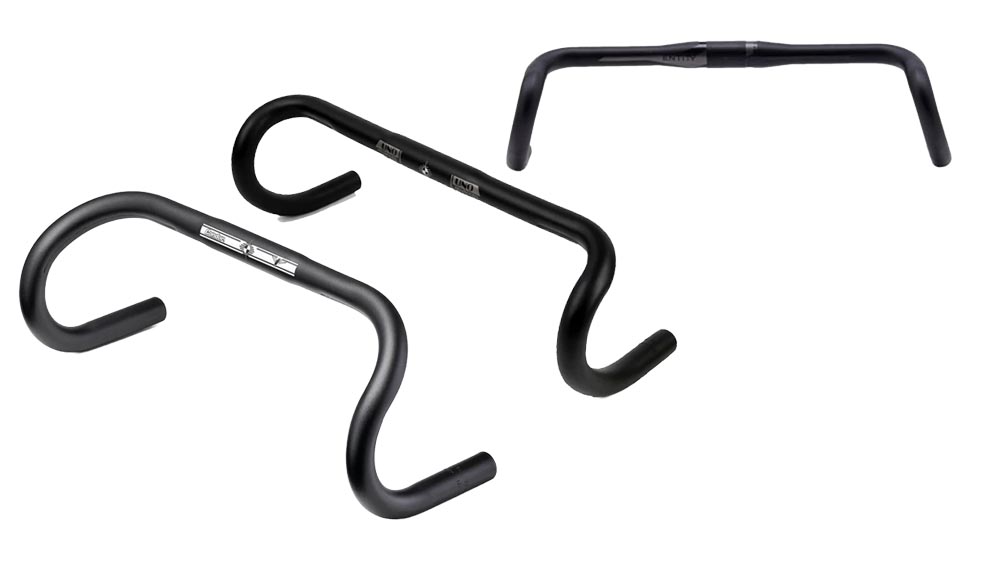 Most road bicycles use drop handlebars, but not all drop bars feel the same.
- Standard Drop Bars: These are the traditional curved bars found on most performance road bikes. They offer multiple hand positions and strong aerodynamic advantages, but the deeper drop can feel aggressive for beginners.
- Compact Drop Bars: These have a shorter reach and shallower drop. They’re easier to handle and more comfortable for recreational riders. Many endurance-focused road bike handlebars now use compact geometry.
- Flared Drop Bars: Slightly wider in the drops, these provide added control and stability, popular among riders who mix road with light gravel.
Material Options
- Aluminum: Durable, affordable, slightly heavier.
- Carbon: Lighter and better at absorbing road vibrations, but more expensive.
- Steel: Rare on modern road bike setups, heavier but strong.
Carbon road bike handlebars can noticeably reduce road buzz on rough pavement. However, aluminum remains a practical and reliable choice for many riders.
If you want a deeper dive into handlebar materials and construction, refer to the article Road Bike Handlebars Guide: Types, Materials & Setup
Consider Hand Position & Comfort
 One major advantage of road bike handlebars is the variety of hand positions they provide:
- Tops: The flat upper section is ideal for relaxed cruising or climbing.
- Hoods: The most commonly used position, offering balance between control and comfort.
- Drops: Lower and more aerodynamic, ideal for descending or sprinting.
More usable hand positions mean less fatigue on long rides. If you regularly ride over 2–3 hours, comfort in the hoods and drops becomes especially important.
Ergonomic shaping, such as flattened tops or slight backsweep, can also reduce wrist strain.
Reach, Drop & Width: Fit Matters Most
Fit is where many riders make mistakes.
Width
Handlebar width should roughly match your shoulder width (measured acromion to acromion).
- Too wide: Can cause shoulder strain and reduce efficiency.
- Too narrow: May feel cramped and unstable.
Proper width improves breathing mechanics and control.
Reach
Reach is the horizontal distance from the center clamp area to the front of the drops.
- Short reach: Easier for riders with smaller hands or shorter torsos.
- Long reach: Creates a stretched, aggressive position.
If you often feel overextended on your road bicycle, a shorter-reach bar might solve the issue.
Drop
Drop refers to how far the bars curve downward.
- Shallow drop: More comfortable and accessible.
- Deep drop: More aerodynamic but demanding on flexibility.
If you rarely use the drops because they feel too low, you may need a compact design.
Brake & Shifter Compatibility
Not all road bike handlebars are automatically compatible with every braking system.
Modern road bikes use either mechanical or hydraulic disc brakes, and each brake lever has specific clamp dimensions. Always confirm that your handlebar diameter (usually 31.8 mm at the clamp) matches your stem and brake levers.
Additionally, some aero-style handlebars have internal cable routing. While cleaner in appearance, they may require compatible frames and more complex installation.
Bar Tape & Accessories Compatibility
Comfort doesn’t end with the handlebar itself. Bar tape plays a major role in vibration damping and grip security. Thicker tape increases comfort on rough roads, while thinner tape gives a more direct feel.
You should also consider space for:
- Bike computer mounts
- Front lights
- Bells (if required for commuting)
Some integrated road bike handlebars have limited accessory space due to aerodynamic shaping.
Choosing the right road bike handlebars isn’t just about looks or weight, but it’s about fit, comfort, and how you ride. Start with your riding style, understand the geometry (width, reach, drop), and select a material that matches your performance goals and budget.
The best setup is one that disappears beneath you. When chosen carefully, the right handlebar transforms your riding experience more than most riders expect.
Read also: