


Road bike handlebars are the front steering component of a road bike that connect to the stem and control direction, braking, and rider position. More than just a steering tool, they determine comfort, aerodynamics, and handling. The right road bike handlebars can completely change how your road bicycle feels, especially on long rides.
Road Bike Handlebars Types
Different riding styles require different handlebar designs. Here are the most common types used on modern road bikes.
1. Regular Drop Bars
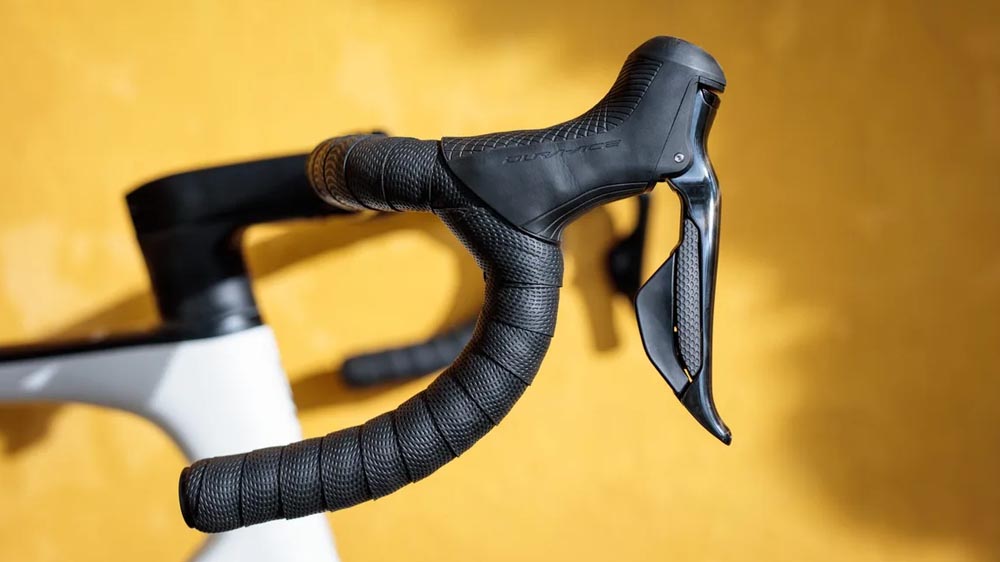 This is the classic curved handlebar seen on most road bikes.
They provide three main hand positions:
- Tops (for relaxed riding or climbing)
- Hoods (everyday riding position)
- Drops (for sprinting and descending)
Regular drop bars offer maximum versatility, making them ideal for general road riding, racing, and endurance cycling. They are still the most common setup found on many of the best road bikes today.
2. Aerobars
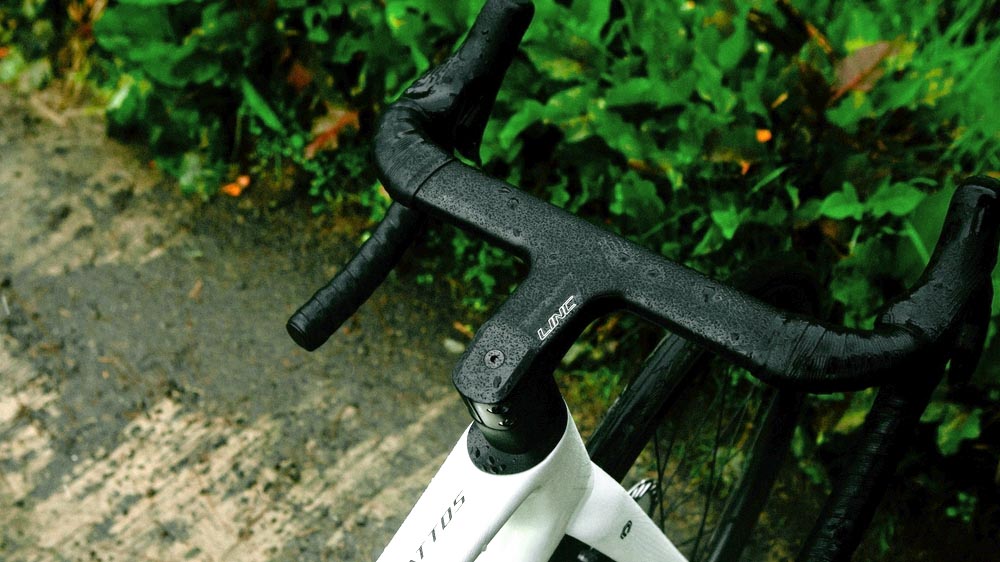 Aerobars are designed to reduce wind resistance. On road bikes, they usually come in two forms: integrated aero handlebars or clip-on aero extensions.
Their main advantage is aerodynamic efficiency. By lowering your body position, you reduce drag and save energy at higher speeds. However, they are less versatile than traditional drop bars and are typically preferred for racing, time trials, or triathlon-style efforts rather than daily road riding.
3. Flare Bars
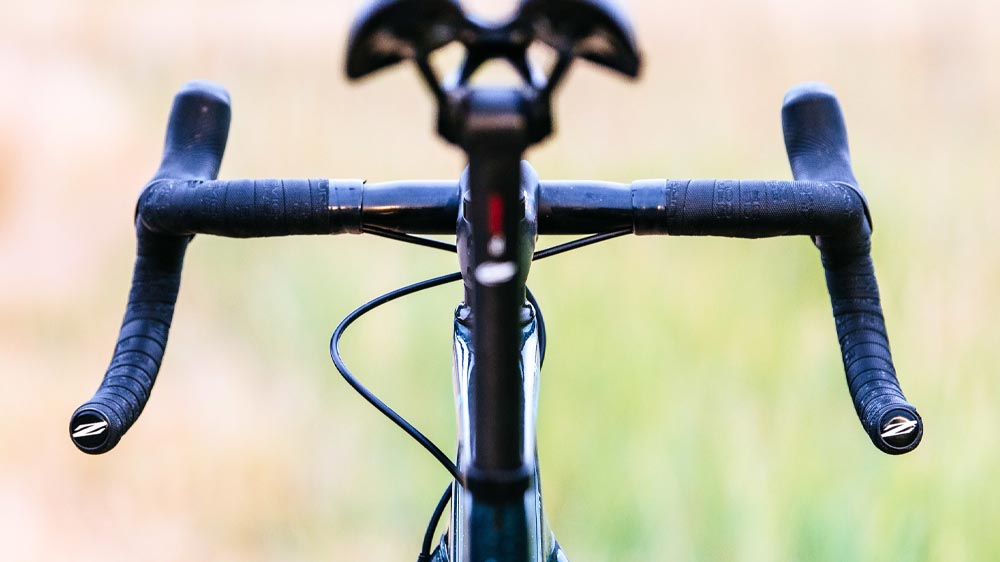 Flare bars look similar to regular drop bars, but the lower section angles outward. This wider stance increases stability and control, especially on rough pavement or mixed terrain. Riders who mix road and gravel sections often prefer flared road bike handlebars for added confidence on descents.
They trade a small amount of aerodynamic efficiency for better handling.
4. Bullhorn Bars
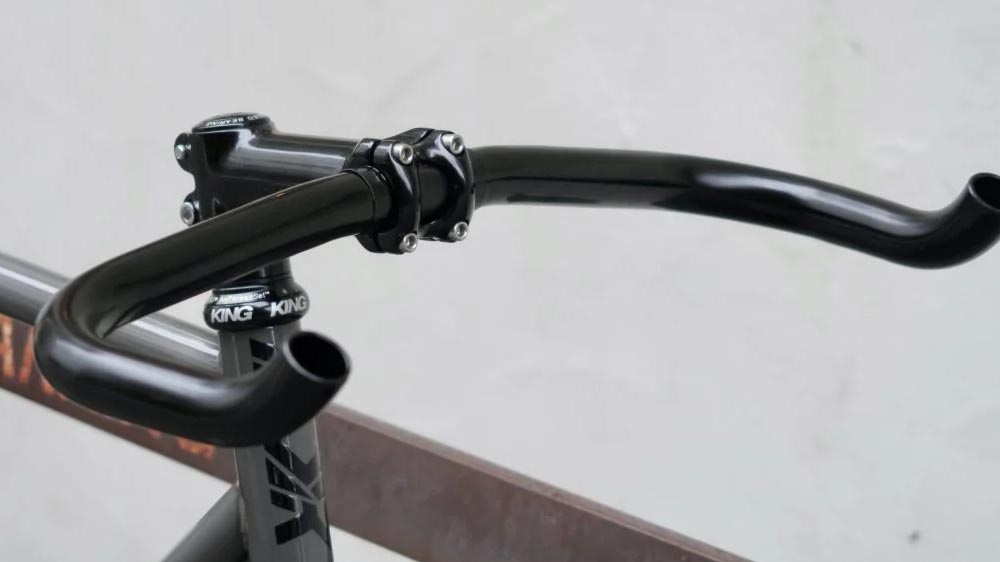 Bullhorn handlebars extend forward and slightly upward, offering an aggressive, forward-leaning position.
They are commonly used for time trials, track riding, or urban setups. While they provide strong leverage for sprinting, they offer fewer hand positions compared to drop bars. Bullhorn bars prioritize speed and direct power transfer rather than long-distance comfort.
Road Bike Handlebar Material
Material plays a major role in how road bike handlebars feel on the road. It affects weight, comfort, durability, and overall cost, so choosing the right one depends on your riding priorities.
1. Aluminum
Aluminum is the most common material found on a road bike. It’s affordable, durable, and handles minor crashes better than carbon. While aluminum handlebars tend to transmit more road vibration, they remain a reliable and cost-effective option for most riders, especially on entry to mid-range road bicycles.
2. Carbon
Carbon road bike handlebars are lighter and significantly better at absorbing vibration, which helps reduce hand fatigue on long rides. They also offer a more refined, premium feel. However, carbon components are more expensive and require careful torque installation to avoid damage. They are often found on performance-focused builds and some of the best road bikes available today.
3. Steel
Steel handlebars are less common in modern performance road bikes. They are strong and extremely durable, but generally heavier than aluminum or carbon. Steel is typically used in classic-style builds or touring setups rather than high-performance road cycling.
How to Choose Road Bike Handlebars?
Choosing the right road bike handlebars depends on a few key factors:
- Your riding style (racing, endurance, commuting, mixed terrain)
- Your flexibility and comfort level
- Desired balance between aerodynamics and control
- Proper width based on shoulder measurement
Compact shapes may suit endurance riders, while aerodynamic designs favor racers. For a more detailed breakdown, including reach, drop depth, and width measurement, read our full guide: How to Choose Road Bike Handlebars?
How to Set Road Bike Handlebars?
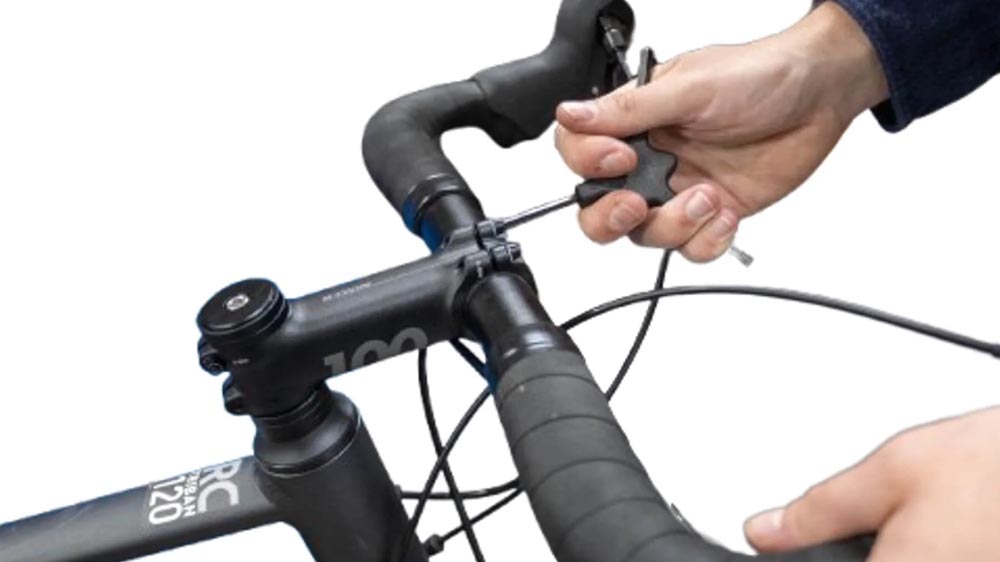 Even the best road bikes won’t perform well if the handlebars are poorly adjusted.
Here’s a quick setup overview:
- Handlebar Height: A higher position increases comfort and reduces back strain. A lower position improves aerodynamics but requires flexibility.
- Handlebar Rotation: The drops should angle slightly downward, not completely flat or sharply tilted.
- Brake Hood Position: Hoods should align naturally with the top section of the bar to maintain a neutral wrist angle.
- Tightening & Torque: Always tighten bolts evenly and use proper torque settings, especially for carbon handlebars.
If you ride long distances regularly, a professional bike fit can ensure your road bicycle setup supports comfort and efficiency.
Road bike handlebars are one of the most impactful components on a road bike. The right shape and material influence control, speed, and endurance comfort.
Whether upgrading your current setup or choosing among the best road bikes available, selecting the correct road bike handlebars ensures your ride feels balanced, efficient, and comfortable for every kilometer ahead.
Read also: