






A gravel bike dropper post is generally worth it if you frequently ride steep, technical terrain, loose sections, or chunky trails where quick shifts between climbing and descending positions matter. For smoother, flatter routes, its benefits are less obvious. Let’s break down when it makes sense and when it doesn’t.
What Is a Dropper Post?
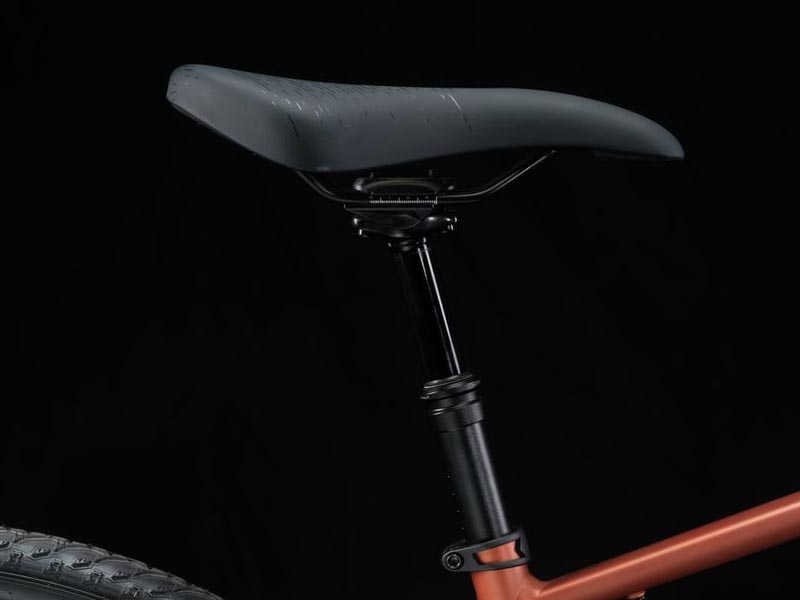
A dropper post is a height-adjustable seatpost that lets you raise or lower your saddle while riding, usually via a handlebar-mounted lever. Lowering the saddle creates more room to move your body, which improves control on descents and technical sections.
Originally common on mountain bikes, droppers have become an increasingly popular gravel bike part, especially as gravel routes grow rougher and more trail-like.
Why a Dropper Post Is Worth It for a Gravel Bike?
 More Confidence on Steep and Technical Terrain
If your gravel routes include steep descents, loose surfaces, or chunky rock sections, a gravel bike dropper post can be a game-changer. Lowering the saddle lets you shift your weight back, lower your center of gravity, and keep the bike stable without the saddle getting in the way.
This added confidence is especially noticeable on terrain that feels closer to old-school mountain biking than smooth gravel roads.
Freer Body Movement on Rough Trails
On rutted descents or off-camber sections, dropping the saddle allows:
- Better rear-wheel weighting
- Easier hip movement
- Improved balance when the bike moves underneath you
For riders who push their gravel bikes beyond mellow paths, this freedom of movement can significantly improve control.
Ideal for Bikepacking and Mixed-Surface Adventures
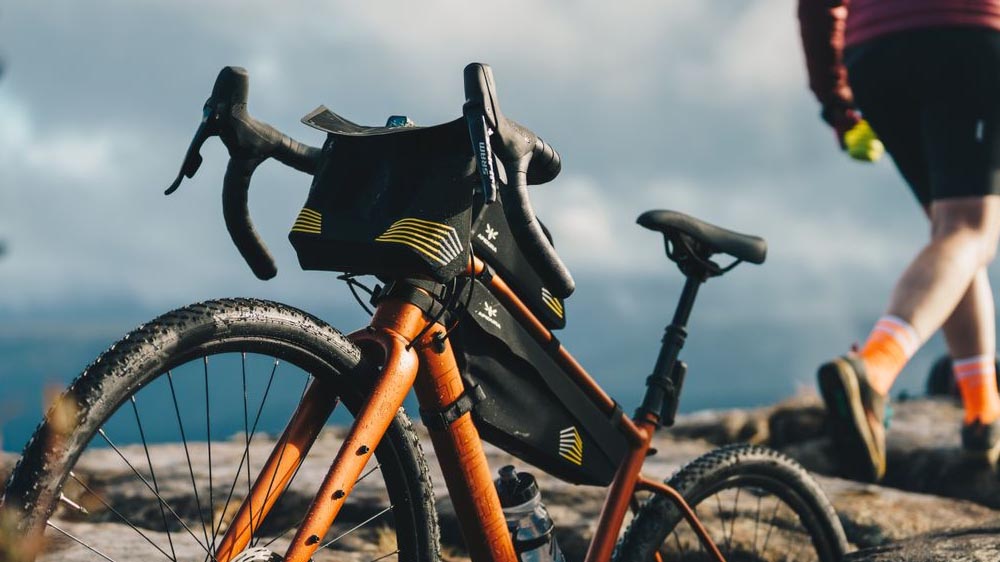
For bikepacking or long mixed-terrain rides, a dropper adds practical benefits beyond descending. It makes mounting and dismounting a loaded gravel bicycle easier and safer, especially on uneven ground or at frequent stops.
When routes mix fire roads, forest trails, and unexpected technical sections, a dropper post adds versatility and peace of mind.
Better Cornering and Descending Position
With the saddle out of the way, riders can lean the bike more confidently into corners on fast gravel descents. Some riders also use a dropped saddle on paved descents to achieve a more stable, aerodynamic position while keeping full control.
Why a Dropper Post Might Not Be Worth It?
 Weight Matters on Gravel
Most dropper posts add roughly 300–500 grams compared to a standard seatpost. For riders who prioritize climbing efficiency or long-distance speed, that weight penalty is noticeable, especially on sustained climbs.
More Maintenance and Complexity
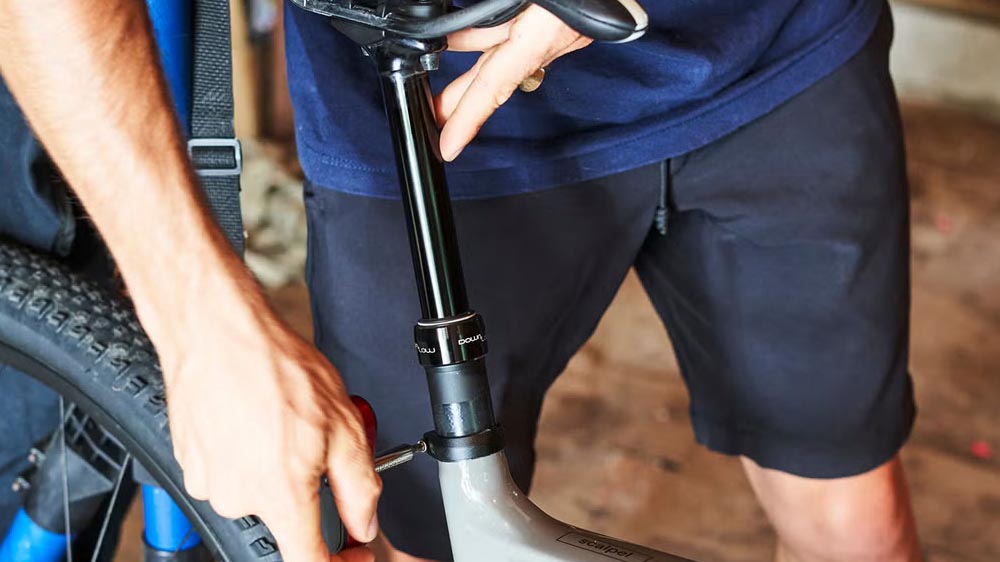
Droppers introduce cables or hydraulics, seals, and moving parts. Gravel riding often means dust, mud, and grit, which can increase maintenance compared to a simple “set-and-forget” seatpost.
If you prefer minimal maintenance, this extra complexity may be a downside.
Loss of Ride Comfort
Many standard gravel seatposts—especially carbon ones—are designed to flex and absorb vibration. Most dropper posts are rigid aluminum, which can make the ride feel harsher on rough surfaces. For some riders, this trade-off reduces comfort on long rides.
Cockpit Setup Challenges
On drop-bar gravel bikes, finding a clean and ergonomic place for a dropper lever isn’t always easy, particularly if you’re running a 2x drivetrain. This is a small issue, but one worth considering.
Should You Get One?
The best way to decide is to look at how you actually ride your gravel bike. On smooth gravel or hard-packed paths, a fixed saddle is usually sufficient. But if your routes include rough gravel, forest trails, or steep descents, a gravel bike dropper post can add noticeable control and confidence by letting you lower the saddle when terrain gets unpredictable.
Ultimately, it’s a trade-off between simplicity and added control, which naturally leads to the next question: do gravel bikes need suspension for even more comfort and stability?
Do Gravel Bikes Have Suspension?
Most gravel bikes do not use traditional suspension. Instead, they rely on wider tires, lower tire pressure, and frame compliance to smooth out rough surfaces. Some modern designs add micro-suspension features or flexible seatposts, but these are limited compared to mountain bikes.
A gravel bike dropper post isn’t suspension; it doesn’t absorb impacts, but it complements these features by improving body positioning and control on demanding terrain.
A gravel bike dropper post isn’t a must-have for every rider, but it can be a powerful upgrade for those who ride steep, rough, or technical gravel. If confidence and control matter more to you than saving grams, it’s often worth it. If your rides are smooth, fast, and efficiency-focused, you may be better off without one.
Read also: