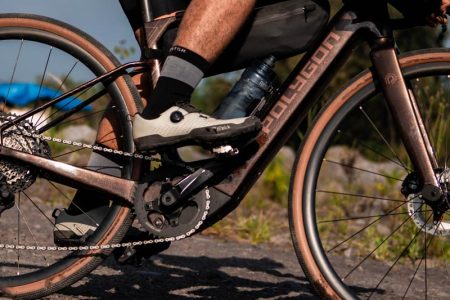



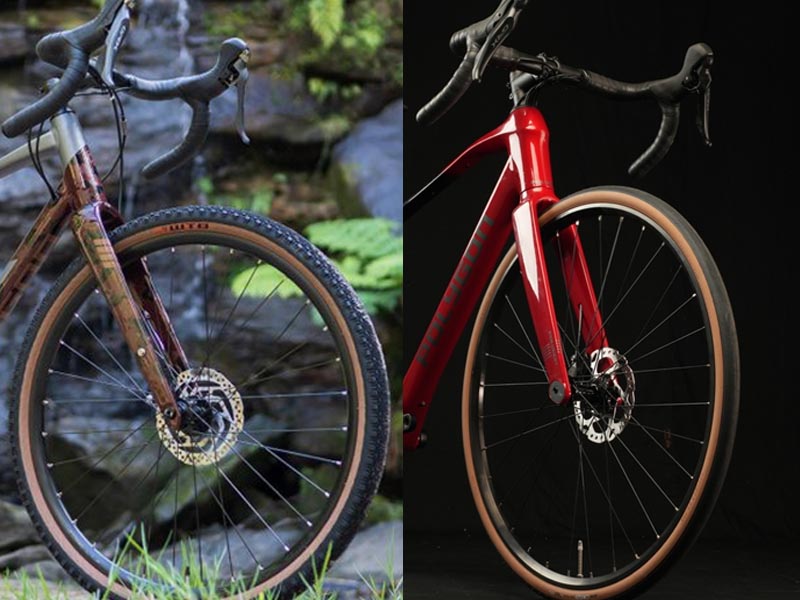
700C wheels remain the standard choice for speed and efficiency, especially on smooth and mixed terrain. 650B wheels excel on scenic, bumpy, and more technical routes, where grip and comfort take priority over outright speed.
Both options work well; the right choice ultimately depends on terrain, riding style, and how you select and set up your gravel bike tires.
Ride Feeling & Handling
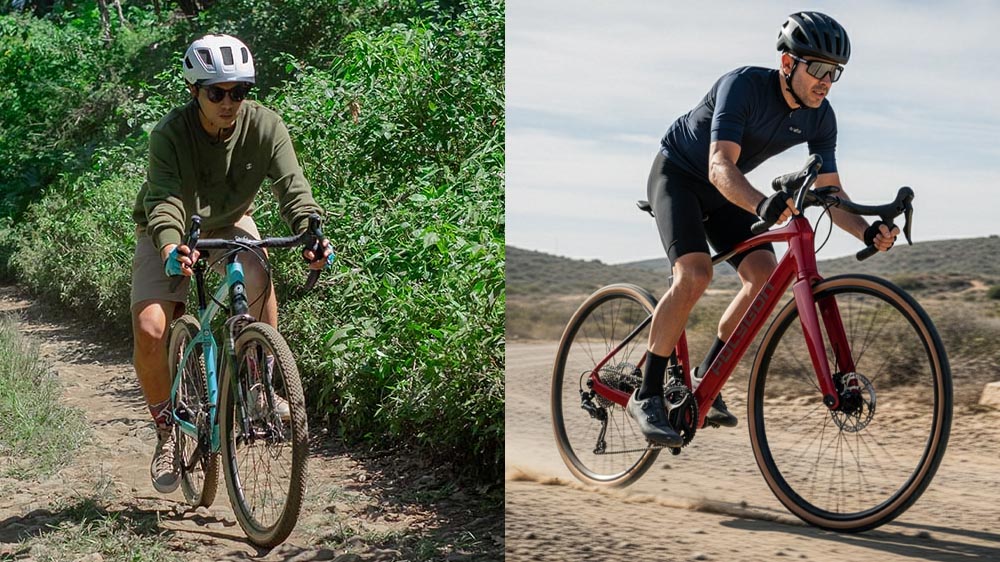 700C: Faster and More Efficient on Smooth Terrain
700C wheels have a larger diameter, which helps them roll more easily and maintain momentum once up to speed. This makes them popular on most modern gravel bikes.
What riders typically notice:
- Faster rolling on hardpack and paved sections
- Better efficiency over long distances
- A stable, composed feel at higher speeds
Paired with mid-width gravel bike tires (around 40–45 mm), 700C wheels feel like a “road-plus” setup that is efficient, predictable, and ideal for long mixed-surface rides.
650B: More Playful and Grippy on Rough Trails
650B gravel bicycle wheels use a smaller rim diameter, allowing significantly wider tires to fit within the same frame. This changes the ride character noticeably.
Common characteristics:
- More grip on loose, rocky, or rutty terrain
- Quicker acceleration and easier direction changes
- A more playful, agile feel on technical trails
With high-volume gravel bike tires, 650B setups prioritize control and confidence over outright speed.
Performance on Obstacles
700C:Faster Rolling with Light Gravel Capability
With their larger diameter, 700C gravel bicycle wheels are known for maintaining speed and momentum more efficiently than 650B wheels.
On gravel bikes, this translates into faster cruising speeds and smoother acceleration, especially on long straight sections and mixed surfaces. With proper tire clearance and pressure, 700C setups can still handle light technical gravel without feeling sluggish.
Key advantages include:
- Faster rolling efficiency and better speed retention
- Smooth rollover over small bumps, potholes, and shallow gravel
- Strong performance on mixed gravel–road routes where pace matters
For riders who prioritize speed on firm gravel and paved roads, 700C wheels offer a highly versatile balance, delivering road-like efficiency while remaining capable enough for light technical sections.
650B: Better in Mud, Deep Gravel, and Chunky Trails
650B wheels excel when conditions deteriorate. Their ability to run wider gravel bike tires at lower pressures improves compliance and traction on rough surfaces.
Key advantages:
- Better grip in mud and deep gravel
- More comfort over rocks and washboard surfaces
- Improved control on steep or technical descents
This makes 650B a favorite for adventure-focused gravel riding.
Which One Should You Choose?
Choose 700C If You Value Speed and Efficiency
700C is best for riders who prioritize speed, smooth rolling, and efficient momentum on hardpack gravel and mixed road surfaces. With properly chosen gravel bike tires, 700C delivers a fast, versatile setup that suits longer rides and consistent pacing.
Choose 650B If You Prioritize Comfort and Grip
650B is best for riders who prefer added comfort, grip, and control on rougher or more technical gravel. Wider gravel bike tires at lower pressures help absorb bumps and improve traction, making this setup ideal for slower, more exploratory gravel riding.
How to Optimize Gravel Bike Tires on Gravel Roads?
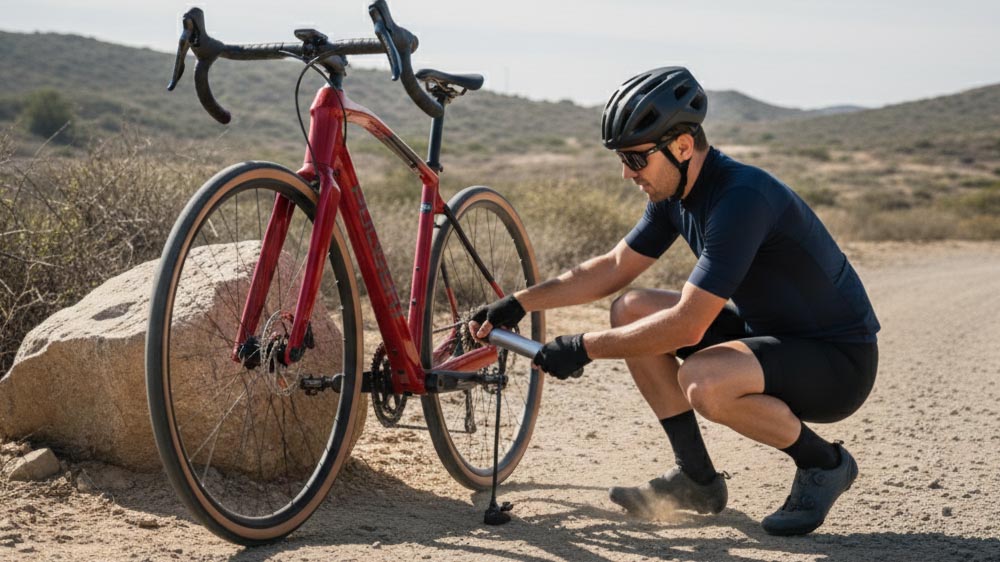 Wheel size is only part of the equation. Gravel bicycle tire setup plays an equally important role in how a gravel bike performs.
1. Optimize Tire Pressure
Correct tire pressure dramatically affects grip, comfort, and rolling resistance. Running pressures that are too high reduce traction, while pressures that are too low risk pinch flats or instability.
For a detailed explanation, refer to the Gravel Bike Tire Pressure Guide, which also applies many of the same principles to gravel riding.
2. Choose the Right Tire Tread Pattern
Not all gravel bike tires are the same.
- Minimal tread works well for dry, hard-packed surfaces
- Moderate knobs improve control on loose gravel
- Aggressive tread is best for mud and technical trails
Matching tread pattern to terrain often makes a bigger difference than wheel size alone.
3. Use a Tubeless Setup
Going tubeless allows lower tire pressures without increasing the risk of pinch flats. Benefits include:
- Better traction
- Improved comfort
- Reduced the chance of punctures
Both 650B and 700C setups benefit greatly from tubeless gravel bike tires.
There’s no universally “better” option between 650B and 700C wheels for gravel riding. 700C prioritizes speed, efficiency, and mixed-surface performance, while 650B excels in grip, comfort, and control on more technical terrain.
By choosing the right wheel size and dialing in your gravel bike tires, from width to pressure, you can fine-tune your gravel bike to match your riding style, whether that means fast day rides or slow, scenic adventures off the beaten path.