








Class 1 vs Class 2 vs Class 3 E-Bikes: What’s the Difference?
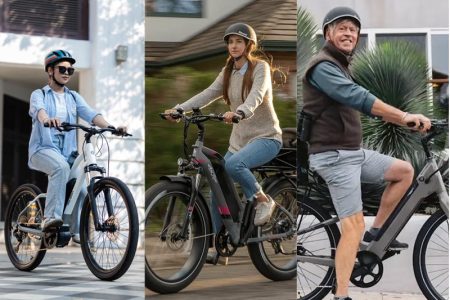
The main difference between e-bike classes comes down to how power is delivered and how quickly it assists. Class 1 uses pedal assist up to 20 mph, Class 2 adds…
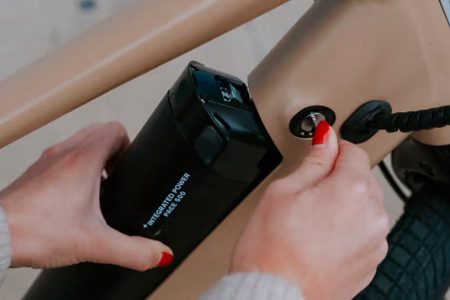
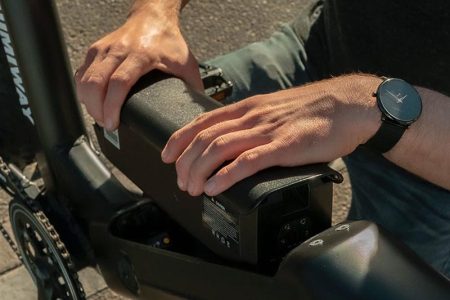
Yes, a removable e-bike battery is widely considered more practical for most riders. The ability to charge it off the bike, store it safely indoors, and manage it separately makes…
Removable e-bike battery systems offer superior convenience for charging, security, and long-distance riding, while non-removable (integrated) batteries focus on a sleeker design, better protection, and a more refined riding experience….
To maximize E-bike climbing, prioritize a mid-drive motor with high torque (>80Nm), a wide-range gear cassette, and a high-capacity battery for sustained power. These elements work together to deliver consistent…
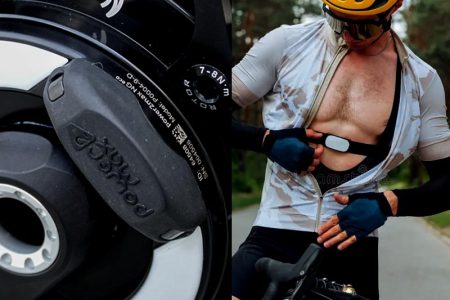
A power meter measures your actual output in watts in real time, making it ideal for precise pacing and structured intervals, while a heart rate monitor tracks your body’s physiological…
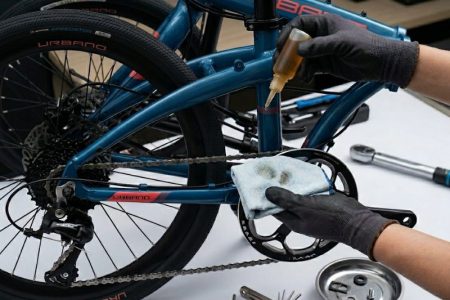
Maintaining the folding-bike hinge is the most critical part of folding-bike upkeep because this section absorbs repeated structural stress as the frame opens and closes and carries rider weight. A…
Getting into gravel racing for the first time is equal parts exciting and intimidating. It is not simply road riding on dirt, because the terrain changes constantly, pacing becomes less…
Yes, you absolutely can ride a gravel bike on singletrack, but the experience depends heavily on trail difficulty and how the bike is set up. On smoother trails, a gravel…
A power meter for a road bike is absolutely worth it if you are serious about structured training, tracking fitness progress, or pacing long rides and events. Unlike heart rate,…