


If you’ve spent time around a skatepark or street spot, you’ve probably heard the sharp squeal of BMX brakes. For some riders, brakes mean control and safety. For others, they feel restrictive or unnecessary.
This divide has long shaped BMX culture, especially when watching riders land tricks with no brakes at all. Understanding why riders choose to keep or remove brakes helps explain how each setup affects control, style, and progression, without one being strictly right or wrong.
Why Brakeless BMX Exists?
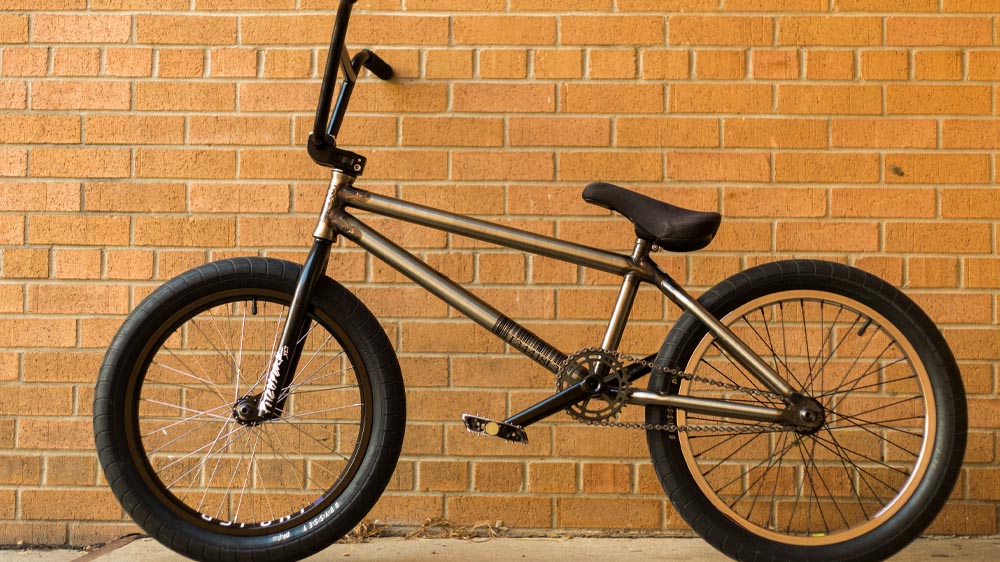 Riding BMX bikes without brakes can look extreme from the outside, but the idea didn’t come from ignoring control or safety. Brakeless BMX developed naturally from certain riding styles where simplicity, freedom of movement, and bike control became more important than stopping power.
In street and flatland riding, tricks often involve constant handlebar rotation, fast body movement, and precise balance. Brake cables, even when managed with a gyro, can add resistance, clutter, or distraction. Removing the brake system simplifies the bike, allowing riders to focus entirely on balance, momentum, and spatial awareness.
Over time, brakeless BMX became less about aesthetics and more about discipline and skill. Riders learned to control speed through foot braking, back-pressure, line choice, and anticipation. That’s why brakeless riding is usually associated with more experienced BMX riders, not beginners.
Riding BMX With Brakes: Pros and Cons Explained
 Why Riding With Brakes Makes Sense?
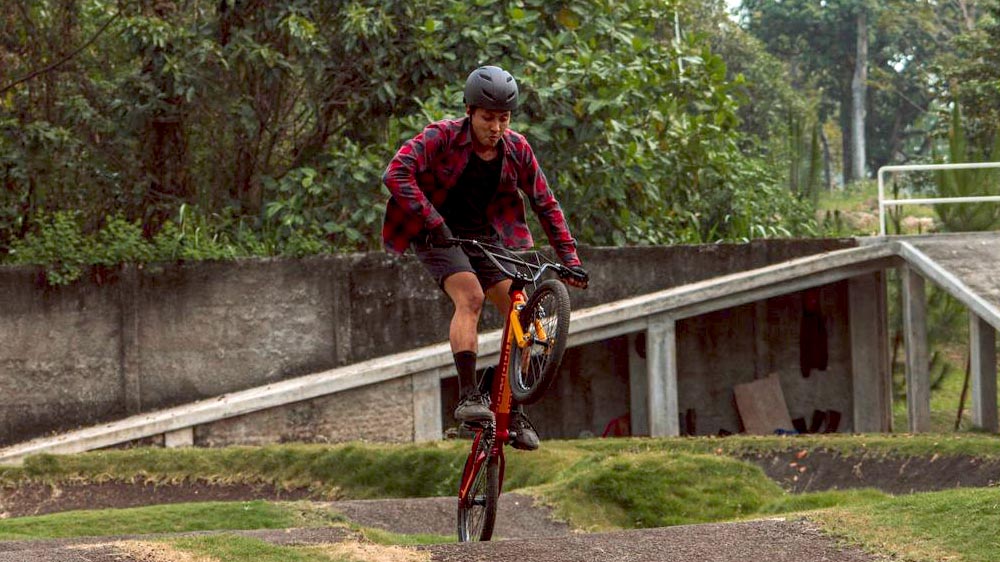
For many riders, especially those new to BMX bikes, brakes provide a critical layer of control. They allow riders to manage speed quickly and safely, which is essential in skateparks, street spots, and shared riding spaces.
Brakes help riders:
- Control speed on ramps, bowls, and transitions
- React quickly in unpredictable environments
- Build confidence while learning basic tricks and bike handling
They also play an important role in structured riding environments. Many beginner-level competitions and organized parks require brakes for safety reasons, ensuring riders can stop when needed.
The Trade-Offs of Using Brakes
The downside is relatively minor but still relevant. A brake system adds some weight, and brake cables can interfere with tricks that involve bar rotation unless a gyro is installed. While these issues are manageable, they do influence how a bike feels during technical riding.
Still, for most riders, especially beginners, the advantages far outweigh the drawbacks. Riding with brakes is the safest and most practical starting point.
Riding BMX Without Brakes: Pros and Cons Explained
 Why Some Riders Go Brakeless?
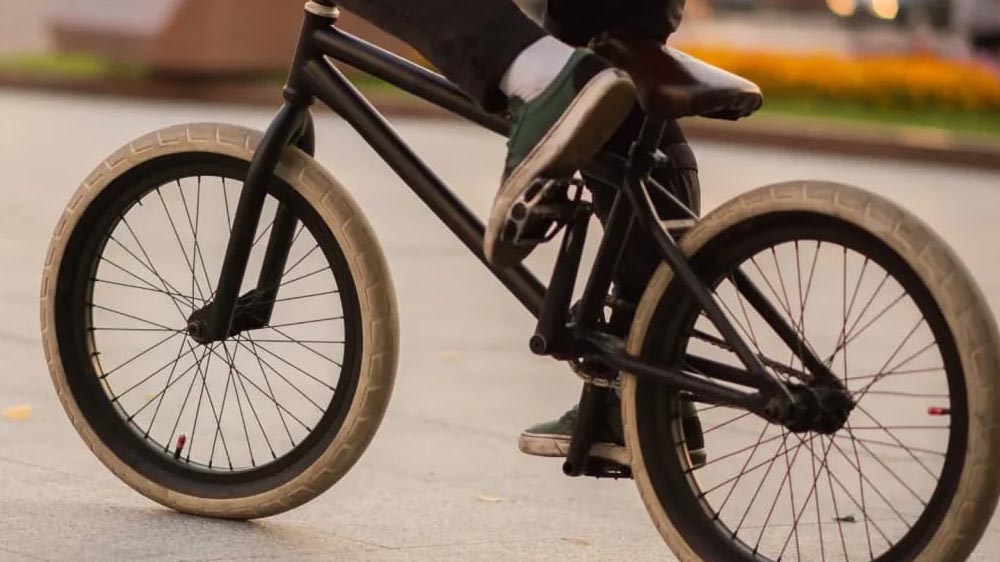
Riding brakeless BMX shifts the focus from mechanical stopping power to rider awareness and control. Without brakes, riders rely on body positioning, foot braking, tire pressure, and terrain reading to manage speed.
This setup:
- Encourages smoother lines and better anticipation
- Improves balance and bike-body coordination
- Allows unlimited barspins and tailwhips without cable interference
For experienced riders, this can feel more natural and expressive, especially in street and flatland riding where flow and precision matter more than sudden stops.
The Real Risks of Riding Brakeless
However, brakeless riding comes with clear risks. Stopping takes longer, mistakes are harder to correct, and misjudging speed can lead to crashes. Some skateparks and competitions restrict brakeless setups for safety reasons, especially in shared environments.
That’s why brakeless BMX is not a beginner-friendly choice. It assumes the rider already understands how to control speed, read terrain, and bail safely when things go wrong. Brakeless BMX is best reserved for riders with solid fundamentals and experience.
Style-Based Recommendation: How Riding Style Shapes the Choice
Different BMX disciplines place different demands on control and stopping ability:
- Beginners benefit from brakes because they provide safety and confidence while learning
- Street riders often start with brakes, then remove them as trick consistency improves
- Park riders usually keep brakes for speed control on ramps and transitions
- Flatland riders frequently go brakeless due to constant bar movement and balance-based tricks
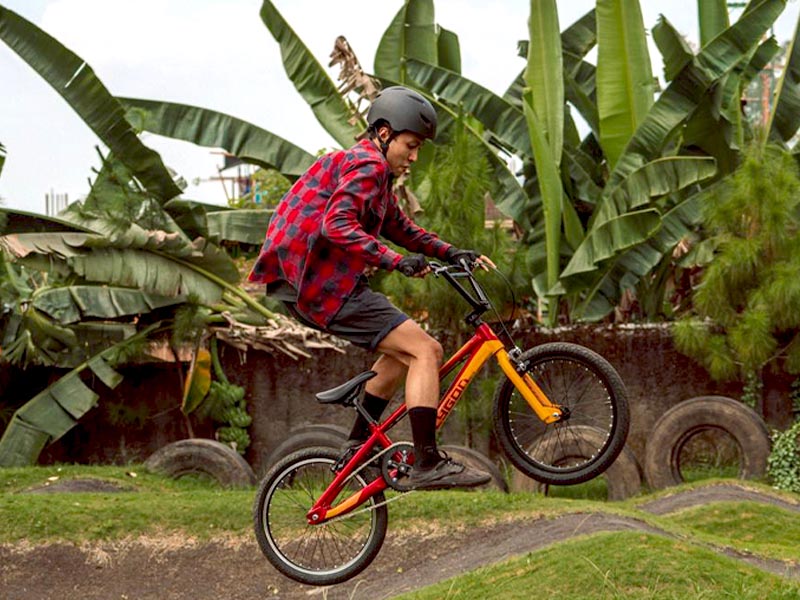
- Dirt jump riders rely on brakes for speed management and landing control
In competitions, especially at entry level, brakes are often required to maintain safety standards.
Pro Tip: Brakeless Is a Progression, Not a Shortcut
Most professional riders didn’t start brakeless. They built control first, learned how to manage speed, and developed the ability to bail safely. Only then did removing brakes make sense.
Going brakeless too early doesn’t accelerate progress; it usually increases risk.
Bottom Line & Discover Polygon BMX Bikes
If you’re deciding how to set up your BMX bikes, start with brakes. They give you control, safety, and space to learn. Once your skills catch up, removing brakes becomes a conscious upgrade, not a gamble.
Whether you choose to ride with brakes or go brakeless later on, the most important foundation is starting with BMX bikes that are designed to handle real progression. Bike geometry, frame strength, and component reliability matter far more than whether a brake cable is installed or not.
Polygon BMX bikes are built with that progression in mind. Designed for street, park, dirt, and freestyle riding, they offer a solid platform for riders who are still learning control, as well as those refining their style over time. Strong frames, balanced geometry, and rider-focused setups allow you to develop skills confidently, with or without brakes.
Rather than locking riders into one approach, our BMX bikes give you room to grow. Start with brakes, build confidence, understand speed control, and make setup changes when your riding truly demands it. That flexibility is what supports long-term progression in BMX.
Read also: BMX Bike Buying Guide: What to Know