


Setting the correct tire pressure for a hybrid bike plays a crucial role in determining its performance during everyday riding. Tire pressure has a direct impact on comfort, rolling efficiency, grip, and overall control.
Pressure that is too high can make the ride feel harsh and reduce traction, while pressure that is too low may increase rolling resistance and affect stability.
Because hybrid bikes are designed for versatility, covering commuting, fitness riding, and casual weekend use, tire pressure becomes one of the most important setup factors. A well-adjusted pressure helps the bike feel balanced, predictable, and comfortable across different riding conditions.
Recommended Hybrid Bike Tire Pressure (PSI Guide)
The table below provides a general starting point for setting hybrid bike tire pressure based on common tire widths found on modern hybrid bikes. These PSI ranges are intended as guidance, not fixed rules, and should always be adjusted according to rider weight, riding surface, and personal comfort.
| Tire Width | Recommended PSI Range | Typical Use Case |
| 32–35 mm | 65–80 PSI | Smooth roads, commuting, fitness rides |
| 36–40 mm | 55–70 PSI | Urban riding, mixed road conditions |
| 41–45 mm | 45–60 PSI | Rough pavement, bike paths, light gravel |
Narrower hybrid tires generally require higher pressure to maintain efficiency and support, while wider tires can run lower pressure without sacrificing stability. Wider tires benefit from a larger contact patch, which improves comfort and grip on uneven surfaces.
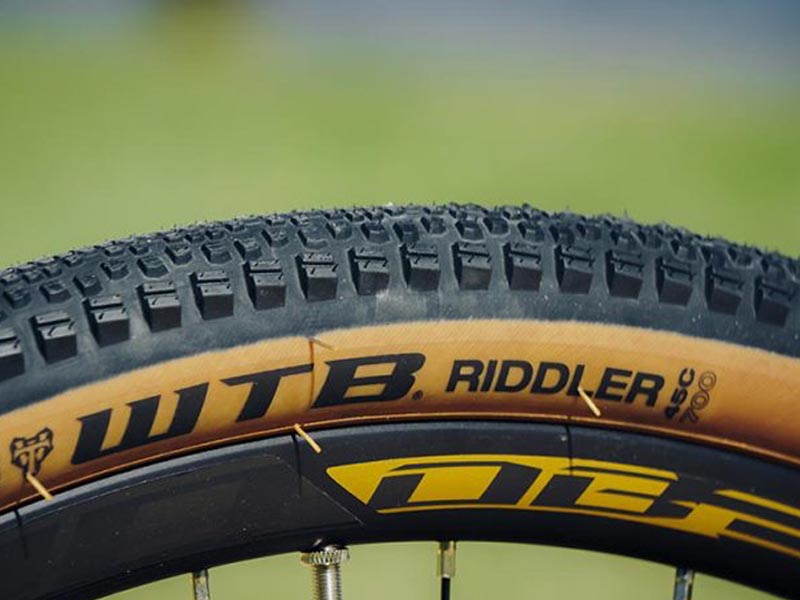
It’s important to always check the tire manufacturer’s recommended PSI range printed on the tire sidewall. The final pressure should remain within those limits, even when fine-tuning for comfort or terrain.
Adjusting Hybrid Bike Tire Pressure by Rider Weight
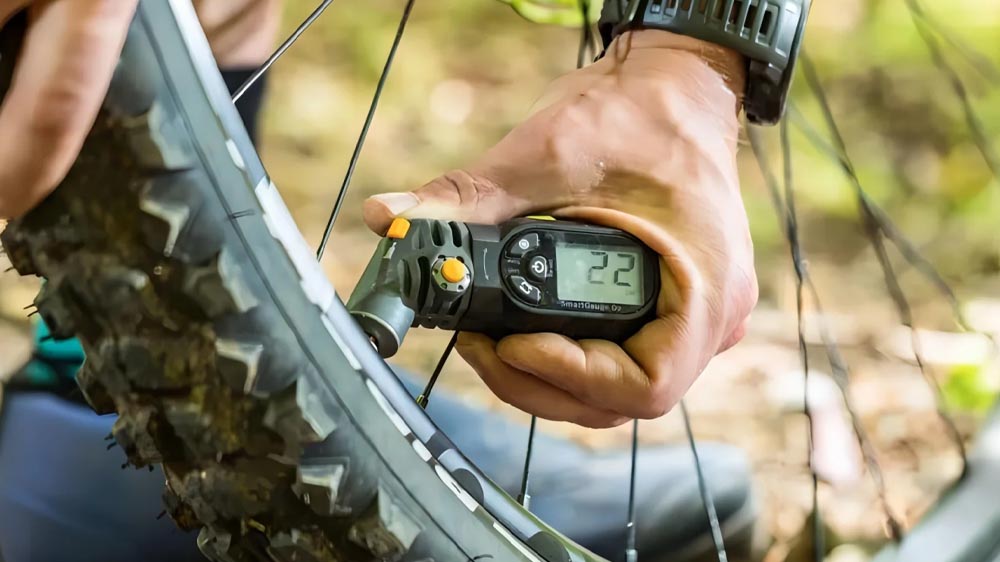 Rider weight is one of the most influential factors when dialing in hybrid bike tire pressure. Tires must support both the rider and any additional load, and pressure should be adjusted to ensure proper tire shape and performance.
Heavier riders generally require slightly higher pressure to prevent excessive tire flex and maintain stability, especially during cornering and braking. Lighter riders, on the other hand, can safely run lower pressure, benefiting from increased comfort and grip without compromising control.
As a practical reference:
- Riders under 65 kg can start near the lower end of the PSI range
- Riders between 65–85 kg typically suit the middle of the range
- Riders over 85 kg may benefit from pressure closer to the upper limit
In most riding scenarios, the rear tire should be inflated a few PSI higher than the front. This is because the rear wheel carries a greater share of the rider’s weight, particularly when seated. Making this small adjustment helps improve balance and overall ride feel.
Factors That Influence Optimal Hybrid Bike Tire Pressure
 Finding the right hybrid bike tire pressure is not about following a single number. Instead, it involves understanding how real-world conditions affect tire behavior and ride quality. Several factors work together to determine what pressure feels best.
Riding Surface
Road conditions play a major role in determining optimal hybrid bike tire pressure. On smooth asphalt or well-maintained bike lanes, slightly higher pressure helps reduce rolling resistance, allowing the bike to feel more efficient and responsive. This setup is well-suited for commuting and fitness rides where maintaining momentum matters.
On rough pavement, cracked roads, or mixed-use paths, lowering tire pressure improves comfort and traction. The tires can absorb vibrations and small impacts rather than transferring them directly to the rider. This adaptability is one of the main reasons hybrid bikes perform well across different surfaces.
Rider Weight and Carrying Load
In addition to rider weight, carrying loads such as backpacks, racks, or panniers also influences hybrid bike tire pressure. Extra weight places additional stress on the tires, especially the rear ones.
Riders carrying gear often benefit from slightly higher pressure to maintain stability and prevent excessive tire deformation. This is particularly important for commuters or riders using their hybrid bike for daily errands.
Weather and Temperature
Temperature changes can subtly affect hybrid bike tire pressure. Warmer air causes pressure to increase, while colder temperatures may reduce it. This means a bike that feels perfectly set one day may feel slightly different the next.
In wet conditions, lowering pressure slightly can improve grip and braking control by increasing the tire’s contact with the road. This added traction is especially helpful in urban riding environments where surfaces such as painted lines or metal covers can become slippery.
Regular pressure checks help maintain consistent performance and safety throughout the year.
Riding Style and Purpose
How the bike is used matters just as much as where it’s ridden. For commuting or fitness riding, riders often prefer slightly higher hybrid bike tire pressure for a more responsive and efficient feel. For longer leisure rides or relaxed weekend cycling, a lower-pressure setup can reduce fatigue and improve comfort.
Hybrid bikes are designed to support both riding styles, making tire pressure an easy and effective way to fine-tune the ride without changing components.
If you’re about to start buying a hybrid bicycle, please take a moment to read our guide on “how to choose hybrid bikes” to make a smart decision.
Benefits of Optimal Hybrid Bike Tire Pressure
Setting the correct hybrid bike tire pressure delivers several noticeable benefits:
- Improved comfort by absorbing road vibration
- Better stability and control, especially in traffic
- Smoother rolling efficiency without unnecessary drag
- Reduced risk of flats and uneven tire wear
- A more enjoyable, confidence-inspiring ride overall
Few adjustments have as much impact for so little effort.
Read also: Hybrid Bike Geometry Explained
Bottom Line: Finding the Right Hybrid Bike Tire Pressure
There is no single “perfect” PSI that works for every rider. However, understanding factors such as road conditions, rider weight, weather, and riding purpose makes it much easier to find the ideal setup.
As a general starting point, most hybrid bikes perform well in the 50–70 PSI range, with small adjustments made based on tire width and personal preference. From there, riders can fine-tune their setup to match how and where they ride most often.
For riders looking for the best hybrid bikes that prioritize comfort, versatility, and real-world usability, our Hybrid Bikes are designed with frame geometry and tire clearance that fully support flexible hybrid bike tire pressure tuning, whether for commuting, fitness riding, or relaxed weekend cycling.