


Choosing between flat handlebars and drop handlebars isn’t just a technical decision — it’s about how your bike feels every time you ride. The debate around flat bar vs drop bar bikes is really about comfort, speed, and how naturally the bike fits into your daily life.
If you’re commuting, training, or riding for fun, the right handlebar style can completely change your experience. Here’s a clear, honest look at how they compare and which one might suit you best.
How Flat Bar and Drop Bar Bikes Feel on the Road
The most immediate difference in any flat bar vs drop bar bikes comparison is posture.
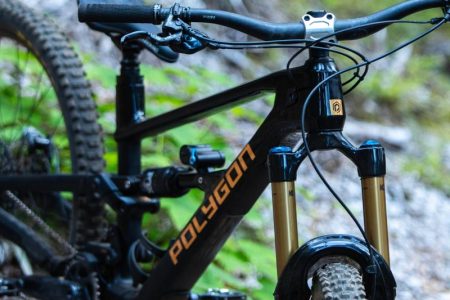
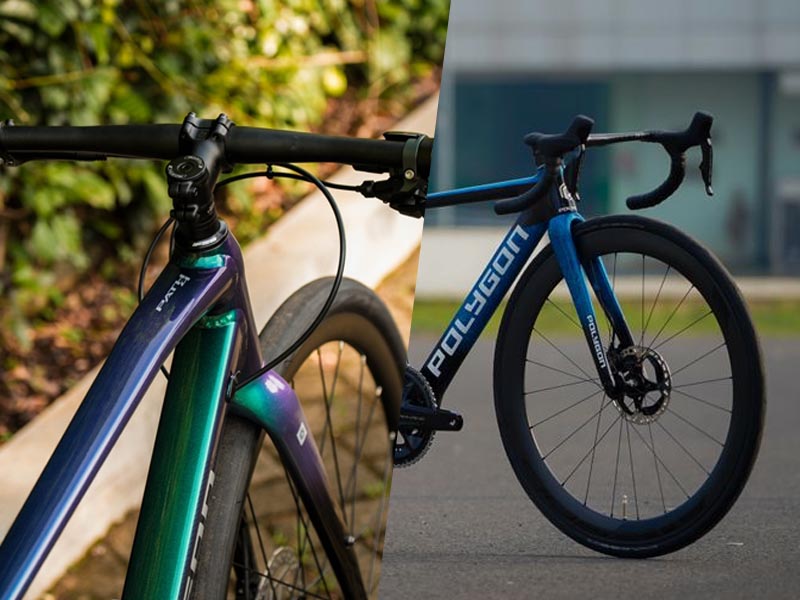
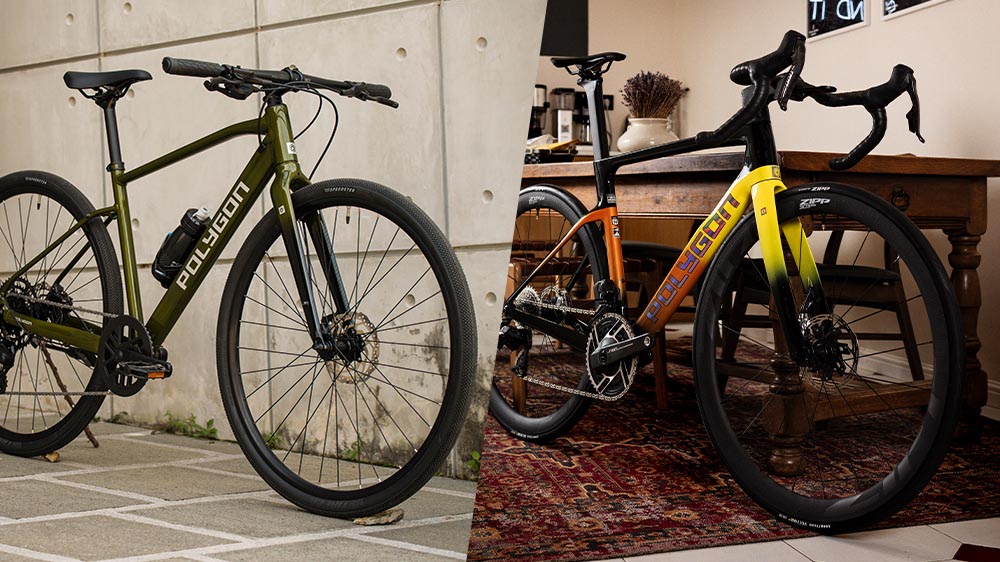
Flat bar bikes keep you in a more upright riding position. Your hands sit wider, your chest is more open, and your head naturally lifts, giving you a clear view of traffic and surroundings. This position feels relaxed, stable, and intuitive—especially for riders with a background in casual or urban cycling.
For example: Mountain bikes, hybrid bikes, & city bikes
Drop bar bikes place you in a more forward, aerodynamic posture. Your torso leans lower, your arms are more tucked in, and your hands can switch between multiple positions. This makes the bike feel faster and more connected to the road, but it also requires more flexibility and core stability.
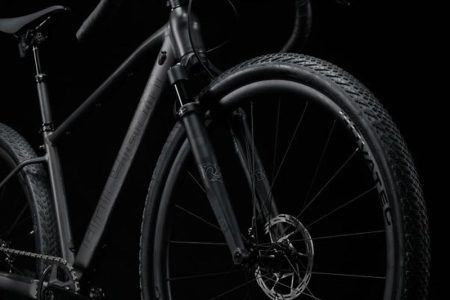
For example: Road bikes & gravel bikes
Polygon designs both styles with rider comfort in mind, giving you options based on how you want your bike to feel, not just how fast it looks.
Read also: Hybrid Bikes vs Gravel Bikes Explained
Comfort: Everyday Riding vs Performance Posture
 Comfort is where flat bars tend to shine, especially for daily use.
In the flat bar vs drop bar bikes discussion, flat bar bikes usually feel more forgiving for longer casual rides and stop-and-go commuting. The upright position reduces strain on the lower back, neck, and wrists. It feels natural even if you’re riding in regular clothes or carrying a backpack.
Drop bar bikes can be comfortable too, but that comfort depends heavily on fit and flexibility. Their advantage is the multiple hand positions. Over long rides, being able to move between the tops, hoods, and drops reduces numbness and fatigue, but this setup is more suited to riders who are comfortable with a sportier posture.
Polygon’s city and hybrid bikes are built around flat bar comfort, while models like the Polygon Strattos S carbon road bike are engineered to make drop bar riding feel smooth and balanced, even for less aggressive riders.
Speed: Where Drop Bars Take the Lead
 If speed is your priority, drop bars usually win.
The aerodynamic body position in flat bar vs drop bar comparisons gives drop bar bikes a noticeable advantage at higher speeds. Less wind resistance means you can maintain a faster cruising speed with less effort over longer distances.
Flat bar bikes are still efficient, but the more upright position increases wind drag. In real-world commuting, the time difference often feels smaller than expected due to traffic, intersections, and variable road conditions.
Riders using Polygon road bikes like the Strattos S carbon or Helios A series benefit from the aerodynamic efficiency of drop handlebars, especially on longer, uninterrupted road stretches.
Commuting Usability: What Works Better in Real Life
For everyday urban use, commuting usability often matters more than pure performance.
In daily flat bar vs drop bar scenarios, flat bar bikes tend to feel more practical. Wider handlebars provide more control at low speeds, which is helpful in traffic, crowded bike paths, and narrow urban spaces. It’s also easier to mount accessories like lights, phone holders, and bags on flat bars.
Drop bar bikes offer a sleeker, more performance-driven feel, but they are less intuitive for quick starts, tight turns, and frequent stops. That said, many commuters still prefer drop bars for longer rides to work, especially if their route includes open roads.
Polygon’s Path and urban-focused models are designed to make flat bar commuting smooth, stable, and practical. For riders who cover longer distances at higher speeds, Polygon’s drop bar road bikes offer a fast, efficient alternative without sacrificing ride quality.
Which One Fits Your Riding Style?
The real answer in the flat bar vs drop bar debate comes down to how you ride.
If your rides are mostly about comfort, short to medium commutes, and easy control in traffic, flat bar bikes tend to feel more natural. They’re approachable, forgiving, and practical for everyday life.
If your rides lean toward fitness, speed, and longer road distances, drop bar bikes usually feel more rewarding. They encourage an athletic riding style and deliver better efficiency at higher speeds.
Polygon’s diverse bike lineup exists because there is no single “perfect” setup — only the perfect setup for you.
Why Polygon Makes the Choice Easier
 One of the biggest advantages of choosing Polygon is flexibility.
Polygon offers well-designed flat bar bikes for urban and fitness riders, as well as high-quality drop bar road bikes built for speed and endurance. This means you don’t have to compromise. You can choose based on how you want to ride, not what you’re forced to ride.
Whether it’s the stable comfort of a Polygon Path or the fast efficiency of a Polygon Strattos, you’ll find a bike that fits your lifestyle perfectly.
Final Thoughts: It’s About Feel, Not Just Function
The flat bar vs drop bar decision isn’t about which one is better on paper. It’s about which one makes you want to ride more.
Comfort, speed, and commuting usability all matter — but your personal enjoyment matters more. When your bike feels natural, riding becomes effortless.
With the right handlebar style and the right bike from Polygon, every ride becomes something you look forward to, not something you have to think twice about.