




No, pegs are not necessary for a BMX bike to function. A BMX bicycle can roll, jump, race, and carve perfectly without them. However, pegs become essential depending on how you ride. Your style determines whether pegs are a performance tool or just extra weight.
When Do You Actually Need Pegs?
If You Ride Street or Park (Freestyle)
If your BMX riding revolves around rails, ledges, coping, or technical tricks, pegs are more than optional. They are part of your toolkit.
Street riders use pegs for:
- Feeble grinds
- Smith grinds
- Double peg grinds
- Ice picks
- Stalls and balance tricks
Without pegs, many grind-based tricks are impossible. In park riding, pegs help with certain coping interactions and creative transitions.
If progression in freestyle is your goal, pegs unlock a larger trick vocabulary.
If You Ride Flatland
Flatland is a different world.
Pegs in flatland are not just for grinding; they are balance platforms. Riders stand on them during intricate spins, switches, and flow sequences. In this discipline, pegs are almost foundational.
A flatland-focused BMX bike without pegs limits movement and creativity. For serious flatland riders, pegs are part of the core geometry setup.
When Don’t You Need Pegs?
Dirt Jumping
On dirt jumps, stability and clean landings matter most. Pegs add weight and can interfere mid-air. They provide no functional advantage on trails.
Most dirt-focused BMX riders prefer a clean frame setup.
If You Ride Race BMX
For BMX racing, pegs are unnecessary — and often restricted in competition.
Race BMX is about:
- Acceleration
- Weight efficiency
- Aerodynamics
- Explosive power transfer
Adding pegs introduces extra weight and potential risk in close pack racing. If speed is your priority, your BMX bicycle should stay lean.
Commuting
Using a BMX bike for casual cruising or urban commuting? Pegs are not required.
Unless you’re using them to give a friend a ride (which we don’t recommend for safety reasons), they serve little practical purpose in daily riding.
What Should You Consider Before Installing Pegs?
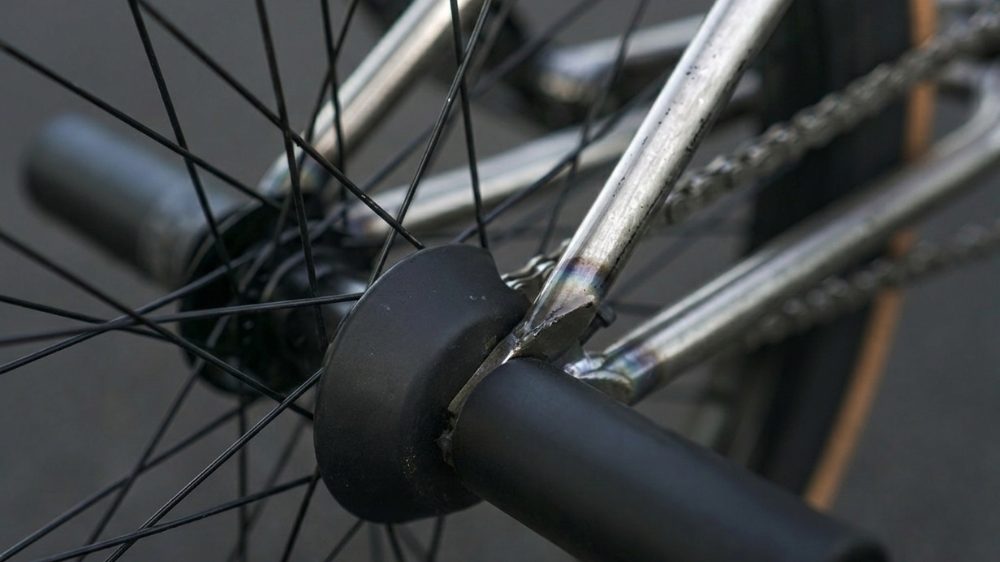 Before installing pegs on your BMX bicycle, think strategically. Every modification changes performance.
| Factor | Why It Matters | What to Think About |
| Riding Style | Determines functionality | Street/Flatland = Yes. Race/Dirt = No. |
| Weight | Pegs add grams | Do you prioritize tricks or speed? |
| Frame & Axle Compatibility | Not all setups fit pegs | Check axle length and hub strength |
| Material | Steel vs aluminum | Steel = durable for grinding |
| Safety | Affects control and clearance | Are you comfortable with added width? |
At Polygon, we always recommend aligning components with riding goalsm not trends.
So… Should You Use Pegs?
The real question is not “Are pegs necessary?” The real question is: What kind of rider are you becoming?
If your BMX journey is about:
- Technical street progression
- Creative park expression
- Dedicated flatland mastery
Then yes, pegs are an essential extension of your BMX bike.
But if your focus is:
- Pure racing performance
- Dirt flow
- Lightweight efficiency
Then your BMX bicycle performs better without them. In BMX, unnecessary weight is noise. Necessary components are tools. Choose tools that elevate your ride.
At Polygon, we believe a BMX setup should reflect intention, whether you ride raw street lines or chase podium finishes. Because BMX is not about adding parts. It’s about building purpose.
Read also: