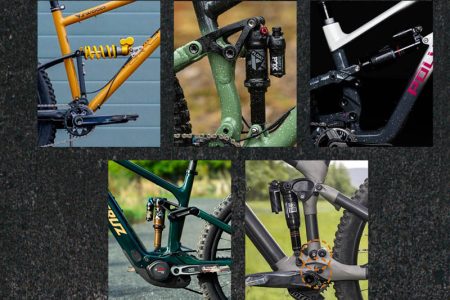



BMX and mountain biking (MTB) serve entirely different riding styles. BMX excels in skateparks, dirt tracks, and urban environments with its lightweight, rigid, and highly agile build. Mountain bikes are heavier, feature suspension and multiple gears, and are designed for rugged trails, steep climbs, and long-distance riding.
While both belong to off-road cycling, the riding experience feels completely different once you get on the bike.
BMX vs Mountain Biking: The Core Difference
The biggest difference in BMX vs mountain biking comes down to purpose. BMX focuses on tricks, jumps, short sprints, and technical bike control, while MTB is built for trail exploration, endurance, and handling rough natural terrain.
A BMX bicycle is compact, responsive, and designed for explosive movement. Riders spend most of their time standing on the pedals, pumping transitions, hopping obstacles, or controlling the bike through tight technical sections.
A mountain bike, meanwhile, is built for stability and comfort over unpredictable terrain. Riders use MTBs for climbing, descending, and covering longer distances across trails, forests, and mountains.
1. Terrain: Where Do They Work Best?
Terrain is one of the clearest differences between BMX bikes and MTB bikes. BMX riding usually happens in controlled or urban-style environments such as:
- Skateparks
- Pump tracks
- Dirt jump lines
- BMX race tracks
- Street spots and urban obstacles
These areas prioritize jumps, technical maneuvers, and quick acceleration rather than endurance riding.
Mountain biking focuses more on natural off-road terrain, including:
- Forest trails
- Rocky descents
- Mountain paths
- Technical singletrack
- Loose dirt and root-filled sections
An MTB bike is designed to stay stable and controlled even when terrain conditions constantly change.
2. Design and Weight Differences
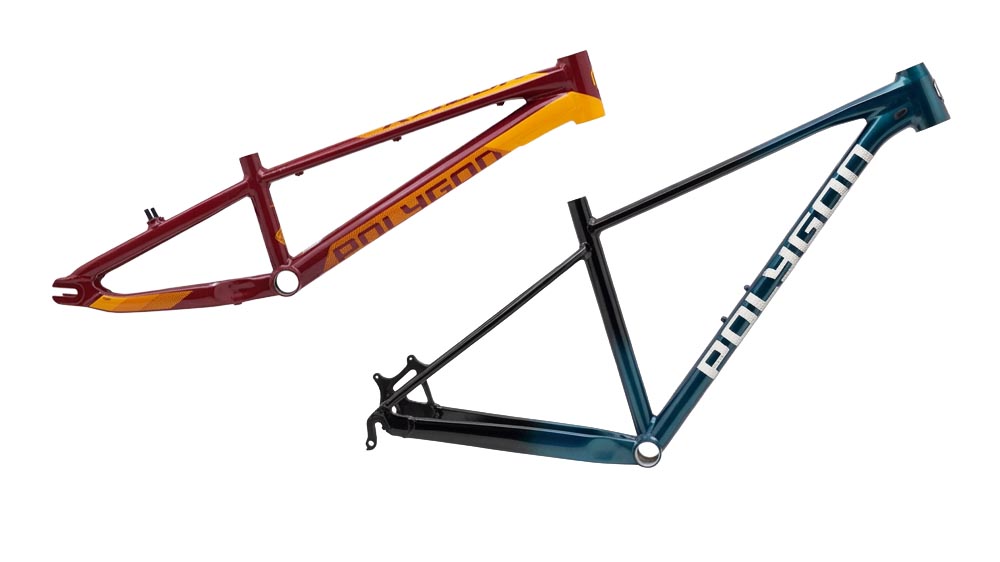
The design philosophy behind each bike reflects how differently they are ridden. A typical BMX bicycle uses:
- 20-inch wheels
- Compact frame geometry
- Rigid forks
- Single-speed drivetrain
- Minimal components
Most BMX bikes do not use suspension because riders rely on body movement to absorb impacts. This keeps the bike lightweight, responsive, and durable for tricks or jumps.
A mountain bike is much larger and more complex. Most modern MTBs include:
- 27.5-inch or 29-inch wheels
- Front or full suspension
- Hydraulic disc brakes
- Wide handlebars
- Multiple gears
Suspension plays a major role because it absorbs impacts from rocks, roots, and rough terrain while improving traction and comfort. As a result, mountain bikes are generally heavier than BMX bikes, but they provide significantly more stability and control on difficult trails.
3. Cost and Maintenance
Another major difference in BMX vs mountain biking is ownership cost and maintenance.
BMX bikes are mechanically simple. Since most use rigid frames and single-speed drivetrains, maintenance is usually straightforward and affordable. Riders can often handle repairs or adjustments with basic tools.
Mountain bikes require more regular servicing because they use more advanced components. Suspension systems, hydraulic brakes, drivetrains, and frame pivots all need periodic maintenance, especially after riding in mud, rain, or dusty conditions.
Because of this, MTB ownership is generally more expensive than BMX, particularly for full-suspension bikes.
Which One Is Harder?
Neither BMX nor mountain biking is objectively harder because both disciplines challenge very different skills.
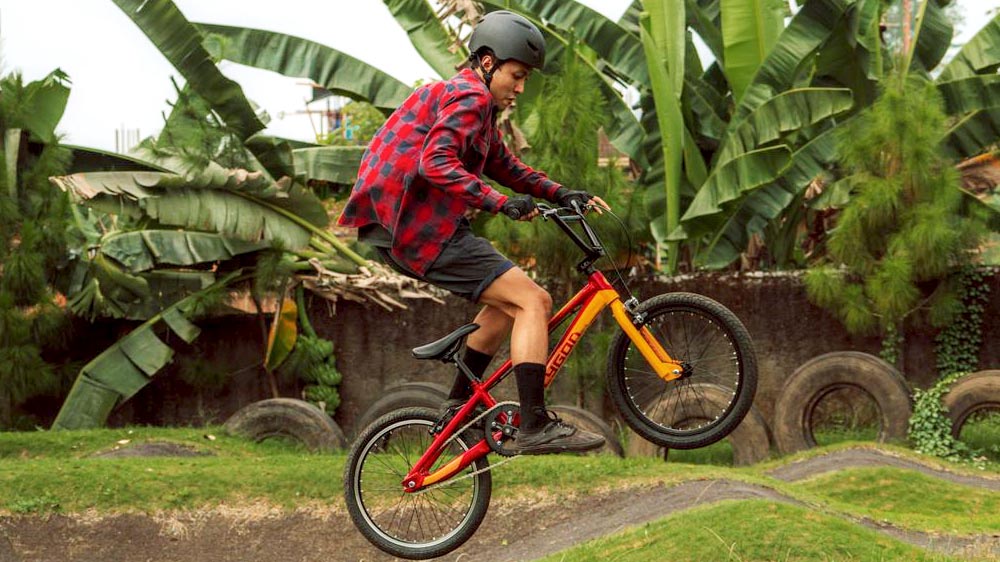
BMX riding relies heavily on explosive power, balance, coordination, precision during tricks, and quick bike handling. Sessions are usually shorter, but the riding can be physically intense and technically demanding.
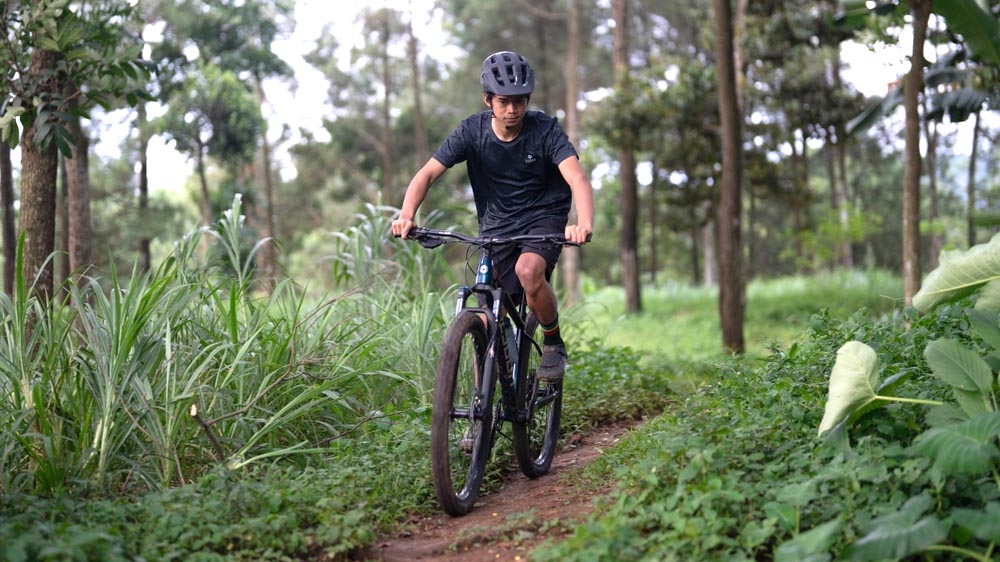
Mountain biking places more emphasis on endurance, climbing fitness, trail-reading ability, and descending control across rough terrain. Riders also need to maintain consistent physical effort during longer rides and changing trail conditions.
A BMX rider may struggle during long technical climbs, while an MTB rider may find freestyle tricks or jump lines intimidating. Both disciplines are challenging in their own way and require different types of physical and technical ability.
Which Should You Choose?
Choosing between BMX vs mountain biking depends mostly on the riding experience you want.
Choose BMX if you:
- Enjoy tricks and jumps
- Prefer skateparks or urban riding
- Want a smaller, simpler bike
- Like short but intense sessions
Choose a mountain bike if you:
- Enjoy trail riding and outdoor exploration
- Prefer longer rides and adventure
- Want better comfort on rough terrain
- Like climbing and descending natural trails
Some riders eventually enjoy both disciplines because many bike-handling skills transfer surprisingly well between BMX and MTB riding styles.
Read also:
Choosing Between BMX and Mountain Biking
Although both BMX and MTB belong to off-road cycling, they deliver very different riding experiences. BMX focuses on agility, tricks, and explosive bike control, while mountain biking emphasizes endurance, stability, and handling rough terrain.
Understanding the differences between BMX bikes and mountain bikes helps riders choose the discipline that best matches their riding style, preferred terrain, and long-term cycling goals.