



Is a Mountain Bike Good for Long Rides?
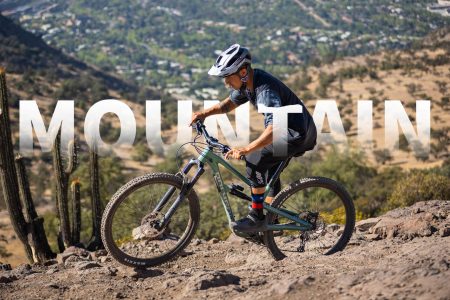
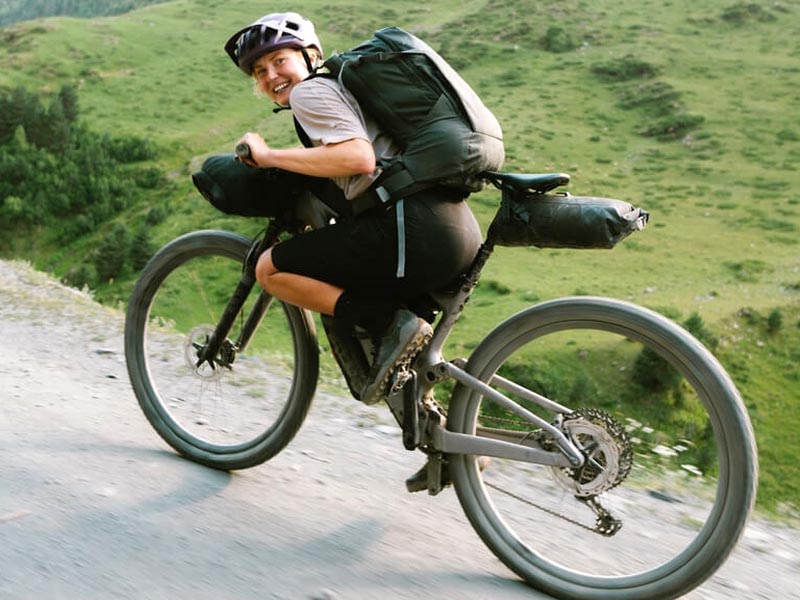
Yes, a mountain bike is absolutely capable of long-distance rides. Whether it’s a 50-mile day ride or a multi-day adventure, the key is optimizing for comfort and efficiency. Reduce rolling resistance, dial in proper bike fit, and use smart storage like bikepacking bags.
With the right setup, both a hardtail mountain bike and a full suspension mountain bike can handle serious distance.
How to Optimize a Mountain Bike for Long-Distance Riding?
MTBs are built for traction and durability, not pure efficiency. That’s why setup matters.
1. Dial in Your Bike Fit
Small adjustments make a massive difference over 40–60 km.
- Saddle height: Too low wastes energy. Too high causes knee pain. Even a 1 cm mistake becomes painful over hours.
- Saddle comfort: For rides over 2 hours, a quality chamois bib is non-negotiable.
- Handlebar & stem: A slightly longer stem can create a more stretched, efficient position without going full road-bike aggressive.
Comfort equals performance on long rides.
2. Optimize Tires to Reduce Rolling Resistance
Tires are the biggest energy drain on a mountain bicycle.
- Pump slightly higher (within recommended range) for mixed terrain or pavement connectors.
- Consider faster-rolling XC tires if most of your route is hardpack or gravel.
- Tubeless setups reduce punctures and rolling resistance.
If your ride includes long paved sections, tire choice alone can transform your MTB bike’s efficiency.
3. Manage Suspension Properly
If you’re riding a full suspension mountain bike:
- Use the lockout lever on climbs or smooth terrain.
- Set sag correctly (typically 20–30%) to avoid excessive pedal bob.
A hardtail mountain bike already offers better pedaling efficiency, which is why many endurance riders prefer it for long-distance efforts.
Smart Gearing: Spin, Don’t Mash
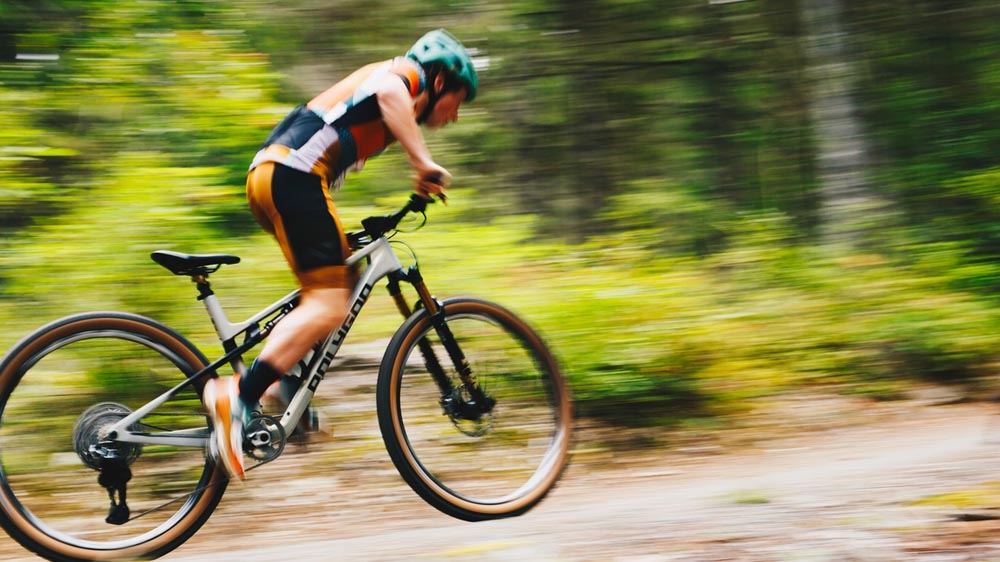 On long rides with a mountain bike, efficiency beats brute strength. Grinding heavy gears might feel powerful at first, but it quickly drains your legs, especially on long climbs.
Instead, focus on maintaining a steady cadence around 80–95 RPM. Spinning lighter gears reduces muscle fatigue and helps you preserve energy over hours of riding.
Modern MTB bikes come with wide gear ranges, so use them. Shift early before the climb gets steep, and aim to ride at about 80% effort. You should feel challenged, but still in control of your breathing.
Long rides are about sustainability, not short bursts of power.
Fuel, Hydration & Energy Strategy
A long ride on a mountain bicycle burns more energy than you might expect due to constant terrain changes and micro-accelerations.
Eat early and consistently—around 30–60g of carbs per hour works well for most riders. Don’t wait until you feel hungry. Small, regular intake keeps energy steady.
Hydration is equally important. A hydration pack can be more practical on technical terrain, allowing you to drink without disrupting control. In hot conditions, adding electrolytes helps prevent cramps and keeps performance stable.
When it comes to distance riding, smart fueling is just as important as strong legs.
Essential Gear for Distance
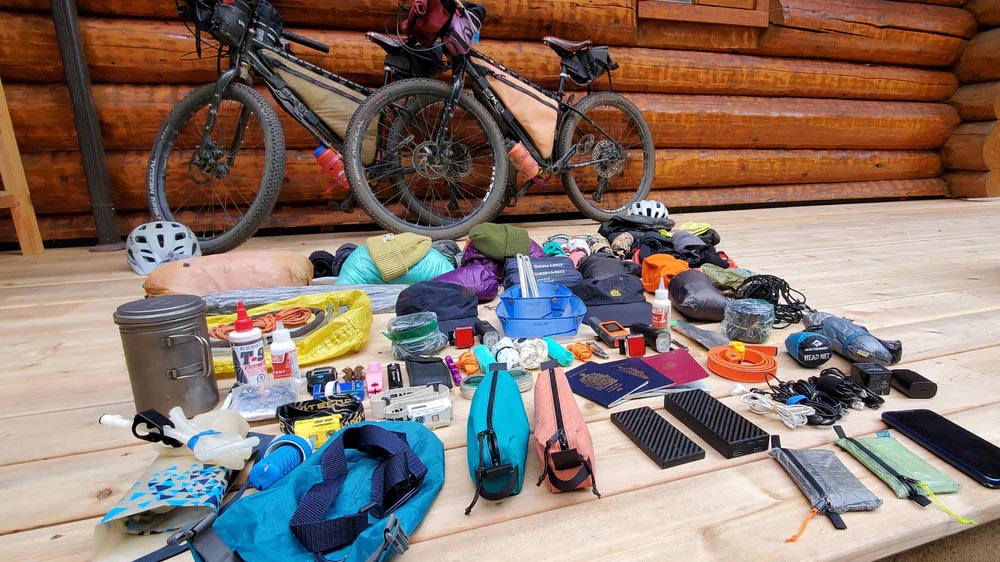 When you’re far from the trailhead, you are your own mechanic.
Bring:
- Mini pump or CO₂ inflator
- Spare tube (even if tubeless)
- Plug kit for tubeless punctures
- Multi-tool with chain breaker
- Snacks & power bank (GPS drains battery fast)
Use frame bags or saddle bags to distribute weight evenly. Avoid heavy backpacks if possible; centered weight improves balance and comfort.
Ride Smart, Not Hard
Long MTB rides are mental as much as physical. Break the ride into segments. Instead of thinking about 60 miles ahead, focus on reaching the next climb, rest stop, or snack break.
Start slower than you think you should. Consistency beats bursts of power.
Stand occasionally to relieve pressure points. Change hand positions to reduce numbness. Stretch briefly during stops.
Pros & Cons of Using a Mountain Bike for Long Rides
Pros
- Excellent comfort on rough terrain
- Stable handling when fatigued
- Versatile for mixed routes (gravel, forest roads, trails)
- Ideal for adventure and bikepacking
Cons
- Heavier than road-oriented bikes
- Slower average speed on smooth asphalt
- Higher rolling resistance with aggressive tires
If your route is 100% smooth pavement, a road or gravel bike may be faster. But for mixed terrain, a mountain bike offers unmatched versatility.
Mountain Bike Recommendation for Long Rides: Syncline C Series
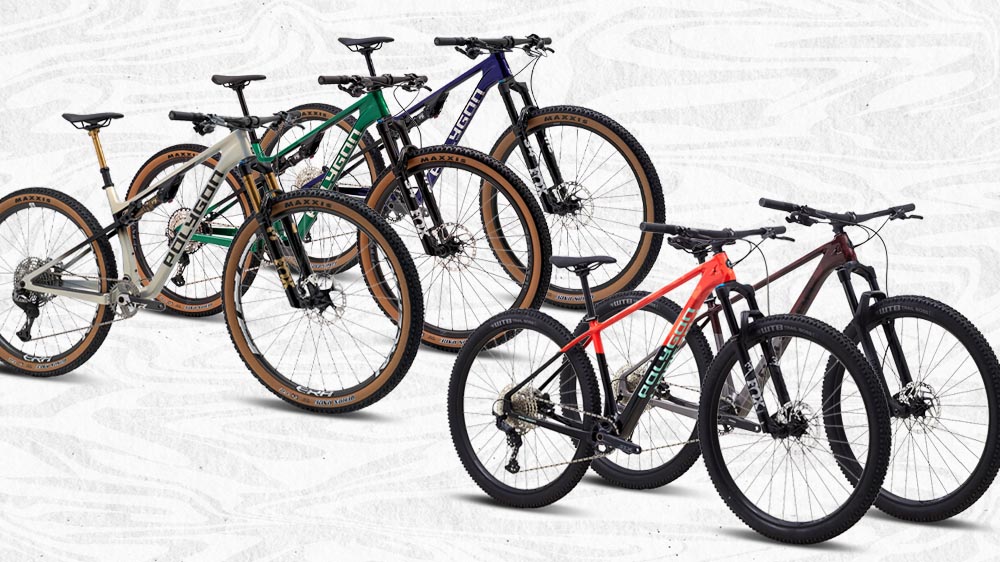 At Polygon, we design mountain bikes that balance performance and endurance. The Syncline C Series is built for riders who want efficient pedaling without sacrificing trail capability.
For long-distance rides, a hardtail mountain bike from the Syncline C lineup delivers:
- Lightweight frame construction
- Efficient power transfer
- Lower maintenance simplicity
If your routes include technical descents or rough terrain, a full suspension mountain bike option provides additional comfort and control, without compromising distance capability.
With proper setup, the Syncline C mountain bike range is ready for endurance rides, mixed-terrain exploration, and even light bikepacking adventures.
Read also: Choosing Your First MTB Guide